
Why we’re ditching hot air for infrared in deep processing
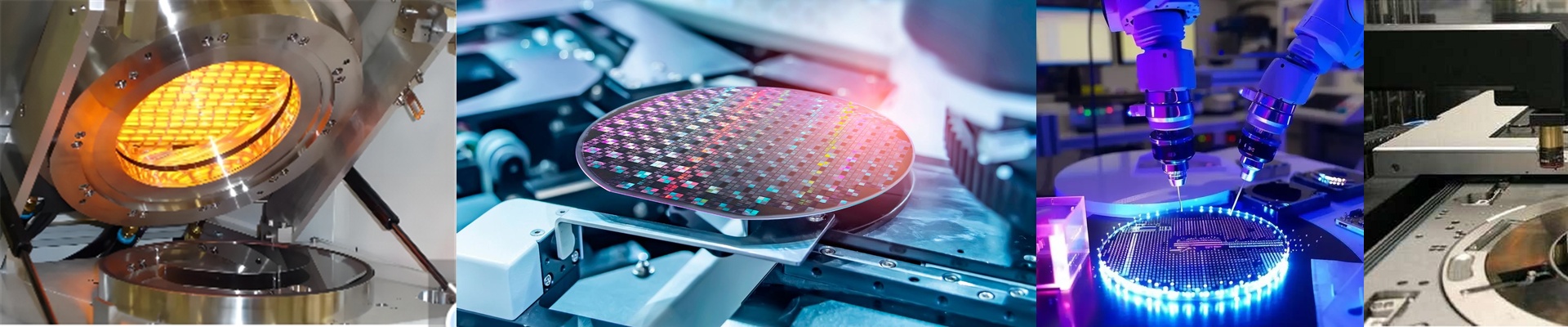
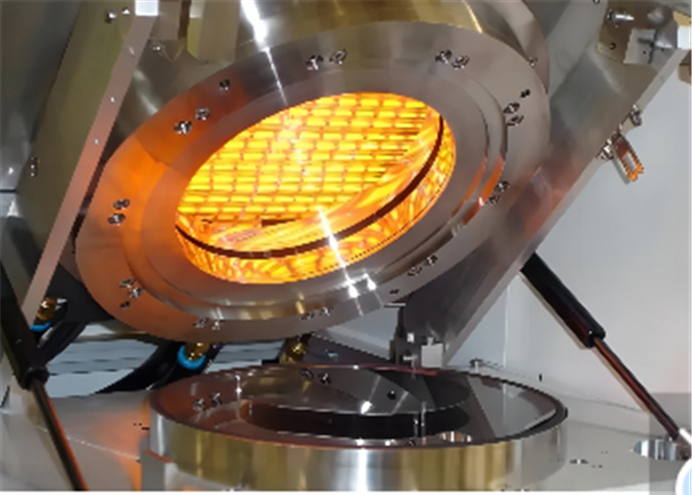
Think about how a convection oven works. You heat the air, and then the air eventually heats your food. There’s a lag. In the world of semiconductor processing, that lag is a killer. It’s wasted time you just can’t afford. That’s why we use Ultra High Purity (UHP) infrared lamps. We basically cut the middleman—the air—out of the equation entirely. The speed difference is wild. Since IR lamps use electromagnetic radiation, the heat hits the wafer the instant you flip the switch. It’s nearly immediate. While a hot air system is still lumbering along, trying to stabilize a zone over several minutes, a UHP lamp hits the target temperature in seconds. It’s fast. Really fast. And that changes everything for your workflow. You get more wafers through the line every single shift. Now, let’s talk about the “clean” part of the cleanroom. Outgassing is a nightmare. Standard lamps tend to leak impurities, but our UHP versions use high-grade synthetic quartz and specialized seals. No particulate shedding. No surprises. We keep the wattage density high so the whole setup doesn’t take up your entire floor. One heads-up, though: keep an eye on your power supply. These high-density lamps pull a lot of current. If your transformers aren’t ready for that peak load, you’ll get voltage drops. And once your voltage dips, your temperature uniformity goes out the window. It isn’t a “plug and play” situation. Switching from forced air to IR takes some planning. IR is directional, which means you have to be obsessive about mapping your heat zones. If you’re off by even a few millimeters, you’ll end up with cold spots and temperature gradients across the wafer. It’s a bit of a balancing act. My advice? Don’t swap everything at once. Start with the zones where timing is the biggest bottleneck. Get the thermal profile exactly where you want it, then move on to the rest. The real win here isn’t just about the wattage—it’s the efficiency. You’re spending way less time running the machine to get the exact same result.