
Getting the Heat Where It Actually Belongs: Aluminum Reflectors for IR Systems
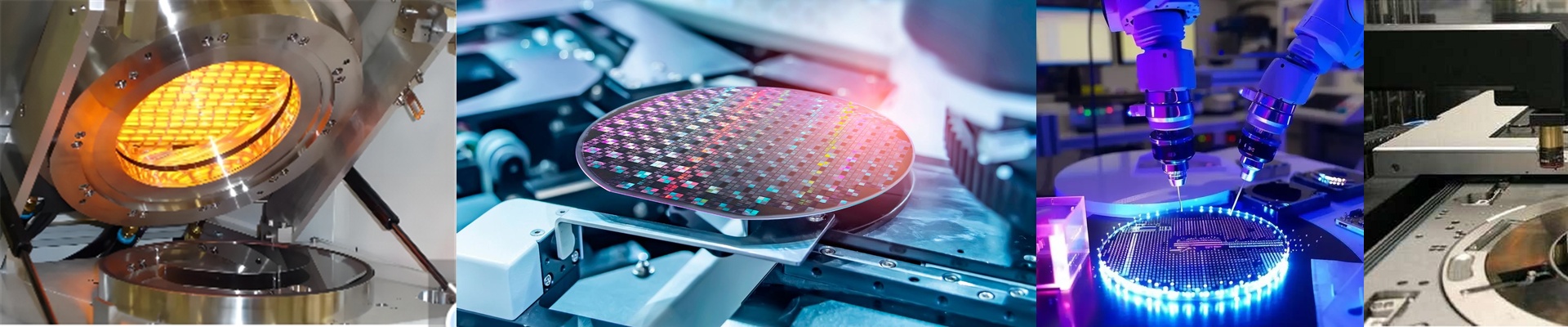
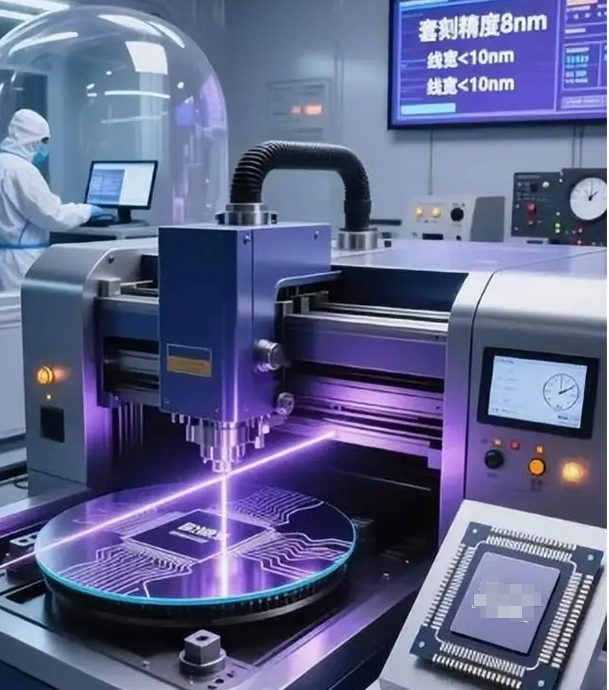
In a semiconductor fab, heat is a tricky beast. It’s not just about getting things hot; it’s about being precise so you aren’t wasting energy. That’s where aluminum reflectors come in. They basically act as a mirror for infrared (IR) radiation, pushing that energy straight onto the wafer instead of letting it bleed into the machine’s chassis. If you’re trying to hit those “Green Factory” goals or just want to stop wasting power, this is where you start.
The Simple Physics of Not Wasting Power
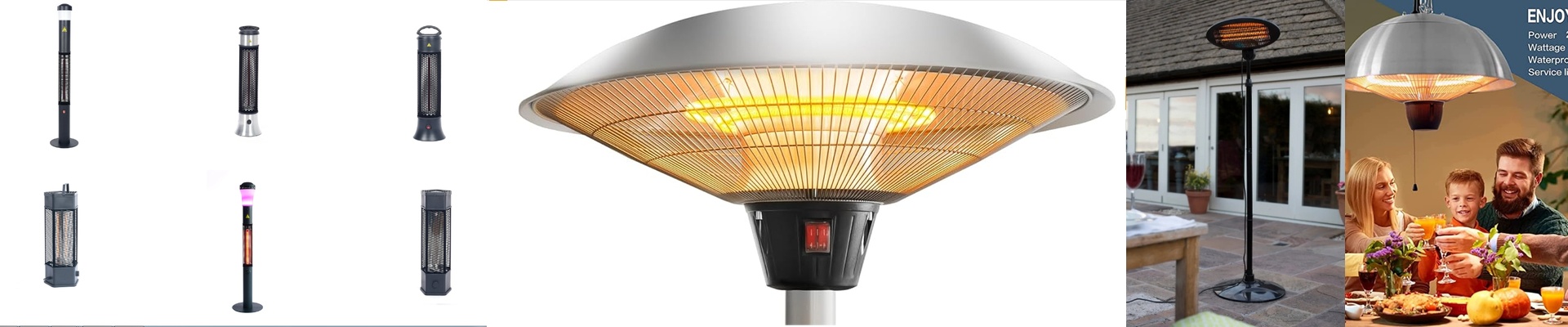
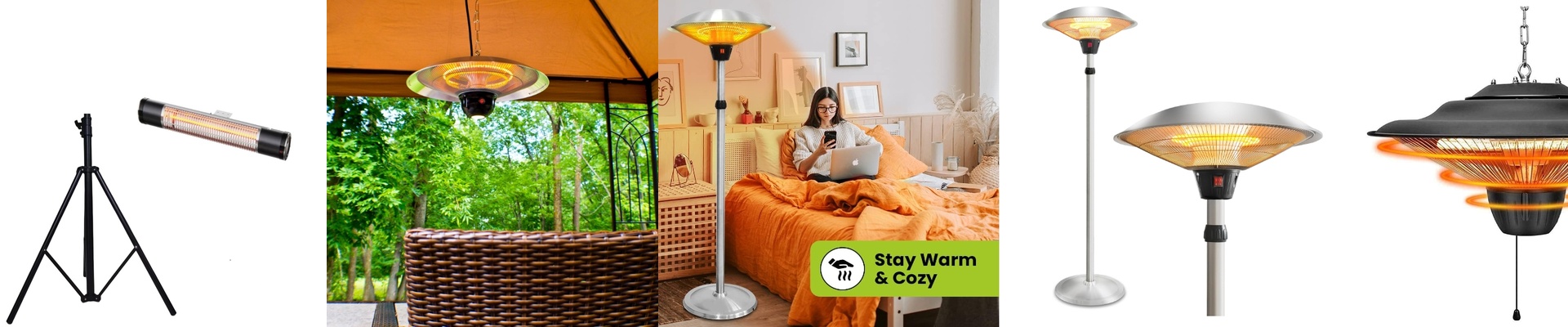
Think about an IR lamp. It throws energy in every single direction—360 degrees. If you don’t have a reflector, you’re essentially throwing half your power into the void. We machine these reflectors from high-grade aluminum to catch that wasted energy and bounce it right back into the process zone. When you narrow the beam, you hit your target temperature way faster. It’s simple: less time heating up means fewer kilowatt-hours per wafer. The secret is in the finish. We obsess over how smooth the aluminum is. Why? Because a rough surface scatters the light. If the energy bounces around randomly, you lose power, and you’ll find yourself cranking up the dial just to compensate.
Cutting Your Carbon Footprint (Without the Fluff)
Cleaning up a cleanroom’s carbon footprint usually starts with thermal efficiency. When you use reflectors with the right angles, your power supplies don’t have to work nearly as hard. You’re just drawing less power from the grid. But there’s a catch. You have to get the geometry and the lamp’s focal point perfectly synced. If the curve is even slightly off, you get hot spots. Hot spots are a nightmare. They lead to uneven curing or baking, which means more scrap. And honestly? Scrap is the biggest hidden carbon cost in the whole industry. Throwing away a ruined wafer is a waste of everything that went into it.
The Real-World Trade-offs
Here’s the thing: aluminum reflectors take a beating. Constant heating and cooling (thermal cycling) eventually takes its toll. Over time, oxidation kicks in and the surface gets dull. Once that happens, your reflectivity drops. You can’t just “set it and forget it.” You need a real maintenance schedule to clean or swap them out. If you ignore the wear and tear, you’ll notice your power consumption creeping up. The reflectors lose their punch, and your energy bill starts to climb.