
Let’s Talk About Those Bathroom Heaters (And Why the Glass Matters)
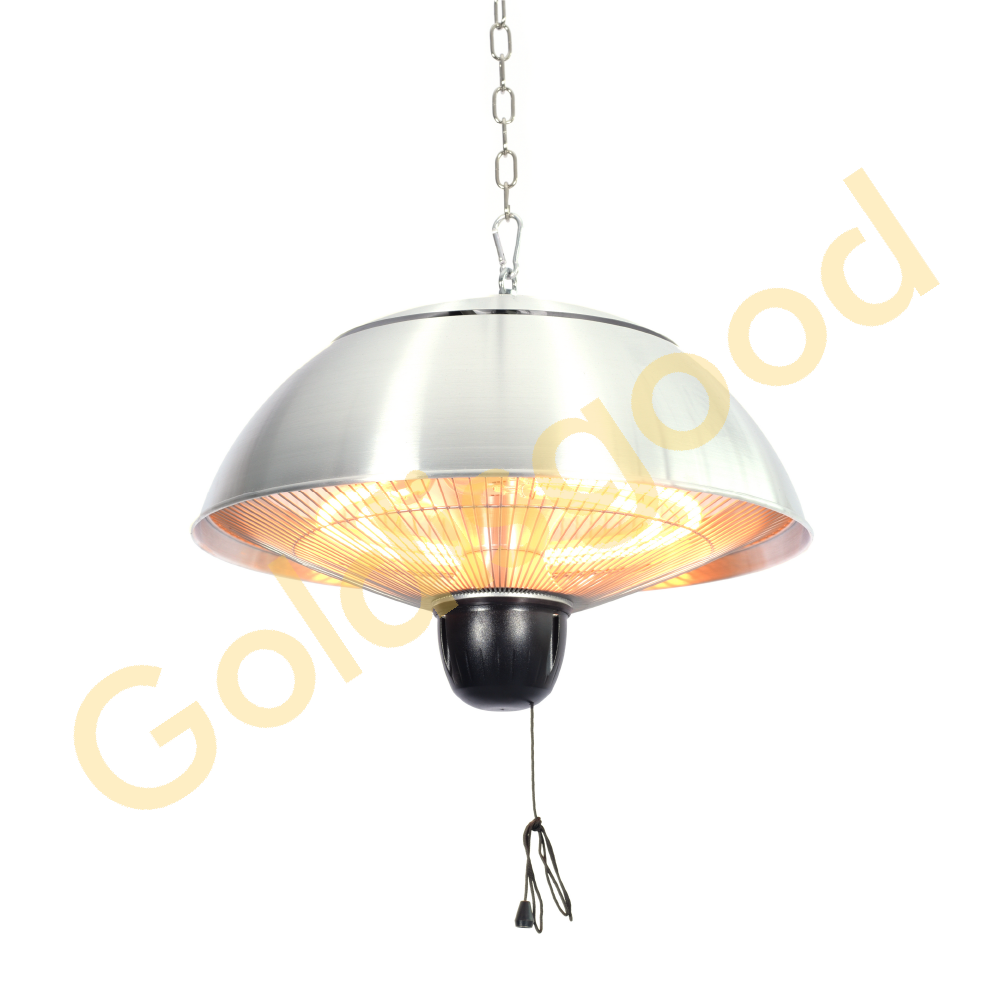
If you’ve ever stepped out of a steaming shower into a freezing bathroom, you know why ceiling infrared heaters are a godsend. But here’s the reality: bathrooms are basically torture chambers for electronics. You’ve got thick steam, constant humidity, and the occasional stray splash of water. In this setup, the quartz tube is usually the first thing to give up. If you use basic quartz, you’re playing a dangerous game. Imagine a tube glowing at 600°C. Now imagine a cold drop of water hitting it. The glass shrinks too fast in one spot, the tension builds up, andsnap.
The “Explosion-Proof” Thing
That’s why we use explosion-proof quartz. Now, don’t let the name scare you. It’s not about preventing a bomb from going off; it’s about how the material handles stress. Standard glass just can’t keep up with those wild temperature swings. Explosion-proof quartz is different. It’s built to soak up that thermal shock without panicking. And if the worst happens and the tube actually fails? It’s designed to crumble or crack quietly instead of shattering into a million tiny shards. When you’re standing right underneath the unit, that’s a detail you definitely want.
The Balancing Act
To get that “instant warmth” feeling, these lamps have to be incredibly intense. We’re pushing a lot of power into a tiny space, which means the tube gets scorching hot. There’s a bit of a trade-off here. If we make the quartz walls thicker, the lamp is safer and tougher. But if they’re too thick, some of that heat gets trapped inside instead of hitting your skin. We spend a lot of time finding that sweet spot—enough thickness to keep things safe, but thin enough that you actually feel the heat the second you flip the switch.
A Few Tips for the Install
When you’re wiring these in, make sure the housing is sealed tight. Even the best quartz can’t save you if moisture gets into the electrical contacts and starts eating away at them. One last thing: keep an eye on the ends of the tubes. If they start looking dark or charred, it’s a sign the tungsten filament is tired. That’s your cue to swap them out before they quit on you mid-winter.