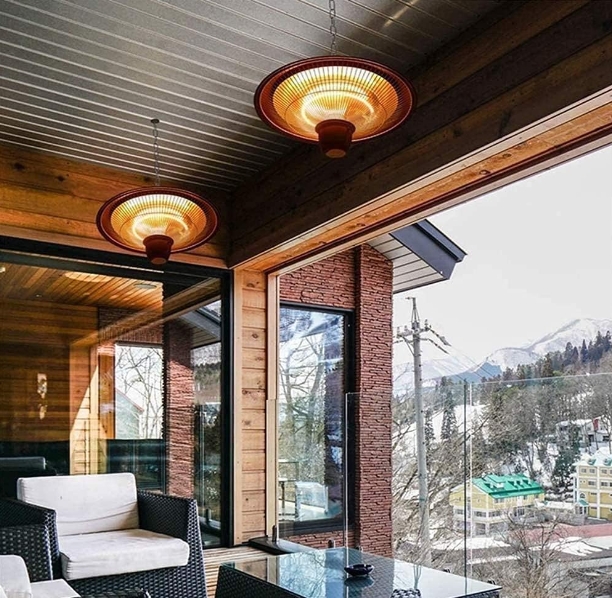
Let’s Talk About the Headache of Outdoor Heating
Outdoor heaters have a rough life. Between the rain, the dust, and those brutal temperature swings, it’s only a matter of time before things start to wear down. Usually, when an infrared tube finally gives up after a few years, you’re in for a bad day. It’s not just the cost of the part that hurts—it’s the hours of labor and the frustration of having your space freezing while you wait for a fix.
A Better Way to Handle Replacements
We got tired of the “tear everything apart” approach. So, we built our IP65 heaters with a modular setup. Instead of spending your afternoon rewiring a chassis or fighting with weather shields, you just treat the heating modules like drop-in replacements. You can swap out a dead tube without messing with the main waterproof seal. No more wrestling with rusted bolts or praying that a fragile gasket still works. You just pull the old module, slide in a new one, and plug it in.A four-hour nightmare becomes a twenty-minute job.
The Balancing Act: Water vs. Heat
Here’s the thing about waterproof seals: they’re great for keeping rain out, but they can be a bit too good. When you seal a unit tight to hit that IP65 rating, heat tends to get trapped inside. We use specific gaskets and sealed cable entries to keep the internals dry, but you still have to be smart about where you put the unit. Give it plenty of breathing room. If it’s crammed into a tight spot, the electronics might overheat when you’re cranking the heat during a winter cold snap.
Real-World Reliability
The best part? You don’t have to worry about frying the main control board just because you’re swapping a tube. We used standardized connectors that just snap into place. They stay put even when the unit vibrates or the metal expands and contracts from the heat. If a tube fails, you fix that one specific spot and move on with your day. It keeps the footprint small and the maintenance actually manageable.