
Keeping IR Heaters Safe Around Volatile Chemicals
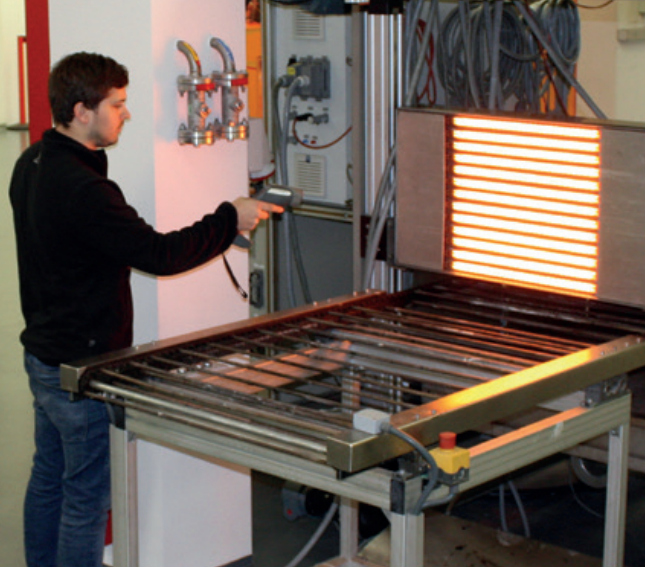
If you’re running IR lamps in a chemical cleaning zone, you already know it’s a nerve-wracking environment. You’ve got flammable vapors floating around and corrosive agents that want to eat through everything they touch. Using a bare quartz tube in there is basically asking for trouble. One tiny crack or a stray spark, and you’re looking at a flash fire. Not a great day at the office. That’s why we build a custom stainless steel housing for the heater. Think of it as a suit of armor that keeps the heating element and the hazardous fumes from ever shaking hands.
How we lock it down
We stick with high-grade stainless steel because it doesn’t freak out when exposed to harsh cleaning chemicals. To make it airtight, we seal the lamp inside the chassis using precision-machined end caps and gaskets that can handle the heat. This stops volatile gases from sneaking toward the electrical terminals. We keep the wiring tucked away and the connections tight. And here’s the best part: if a lamp actually burns out, the housing catches the mess. You don’t have to worry about quartz shards or filaments falling straight into your chemical bath.
Managing the heat
Safety isn’t just about the seals, though. It’s about how the heat moves. We design the housing to protect the lamp without blocking too much of that IR energy. But keep in mind, the steel absorbs some of that heat. You’ll notice a bit of a thermal lag, so you’ll want to tweak your PID controllers to account for it. Plus, the housing acts as a buffer. It stops the lamp from taking a hit from mechanical shocks or accidental splashes. Without that shield, a splash of cold liquid on a hot tube would cause it to shatter instantly.
The trade-offs
Now, nothing is perfect. Wrapping everything in steel adds mass to the system. That means your ramp-up time will be a bit slower than it would be with an open-air lamp. You’ll also want to make sure your power supply can handle that initial surge when things kick on. One last tip: keep an eye on your ventilation. The housing protects the lamp, but you still need to move the air. You don’t want ambient heat building up until it hits the flash point of your chemicals. Stay safe.