
Keeping Your Outdoor Dining Warm (Even With High Ceilings)
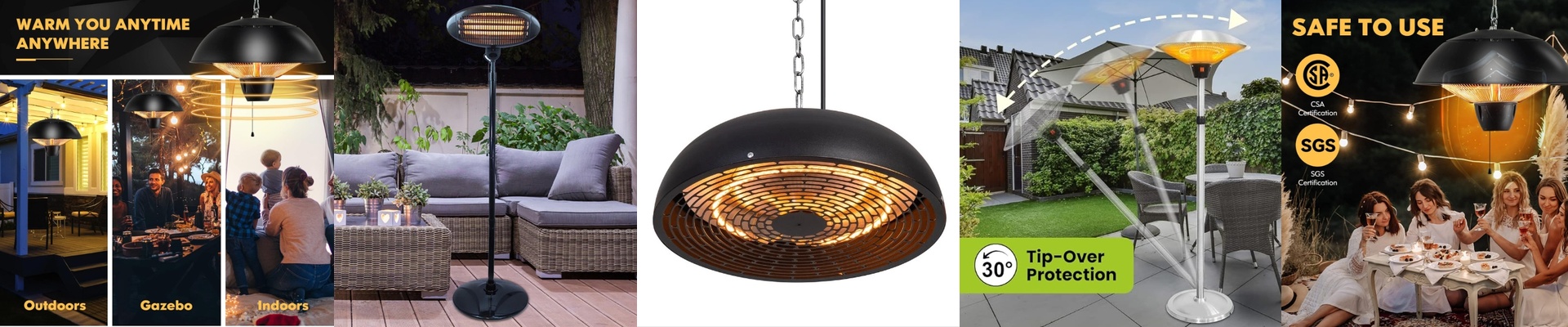
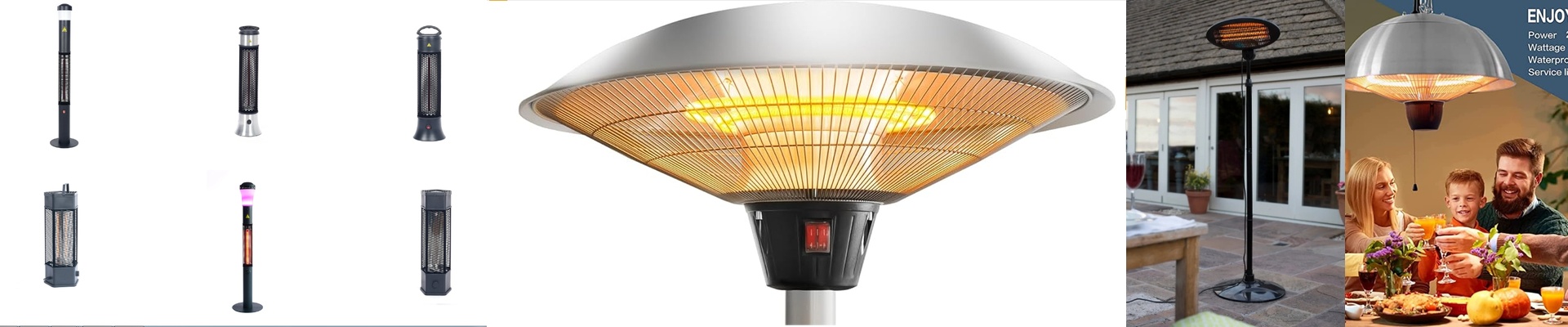
Ever noticed how some outdoor patios just feel… chilly? Even with those big heaters humming away, you’re still shivering in your seat. Here’s why: in a space with high ceilings, heat behaves like a balloon. It just floats straight up. If you’re using standard forced-air heaters, you’re basically heating the roof, not your customers. That’s why we stick with shortwave infrared. Instead of trying to warm up the air, these heaters beam warmth directly onto people. It’s like stepping into a patch of sunlight on a winter day. You feel it instantly. If you’ve got a high roofline, it’s really the only way to go.
The Nitty-Gritty of the Heat
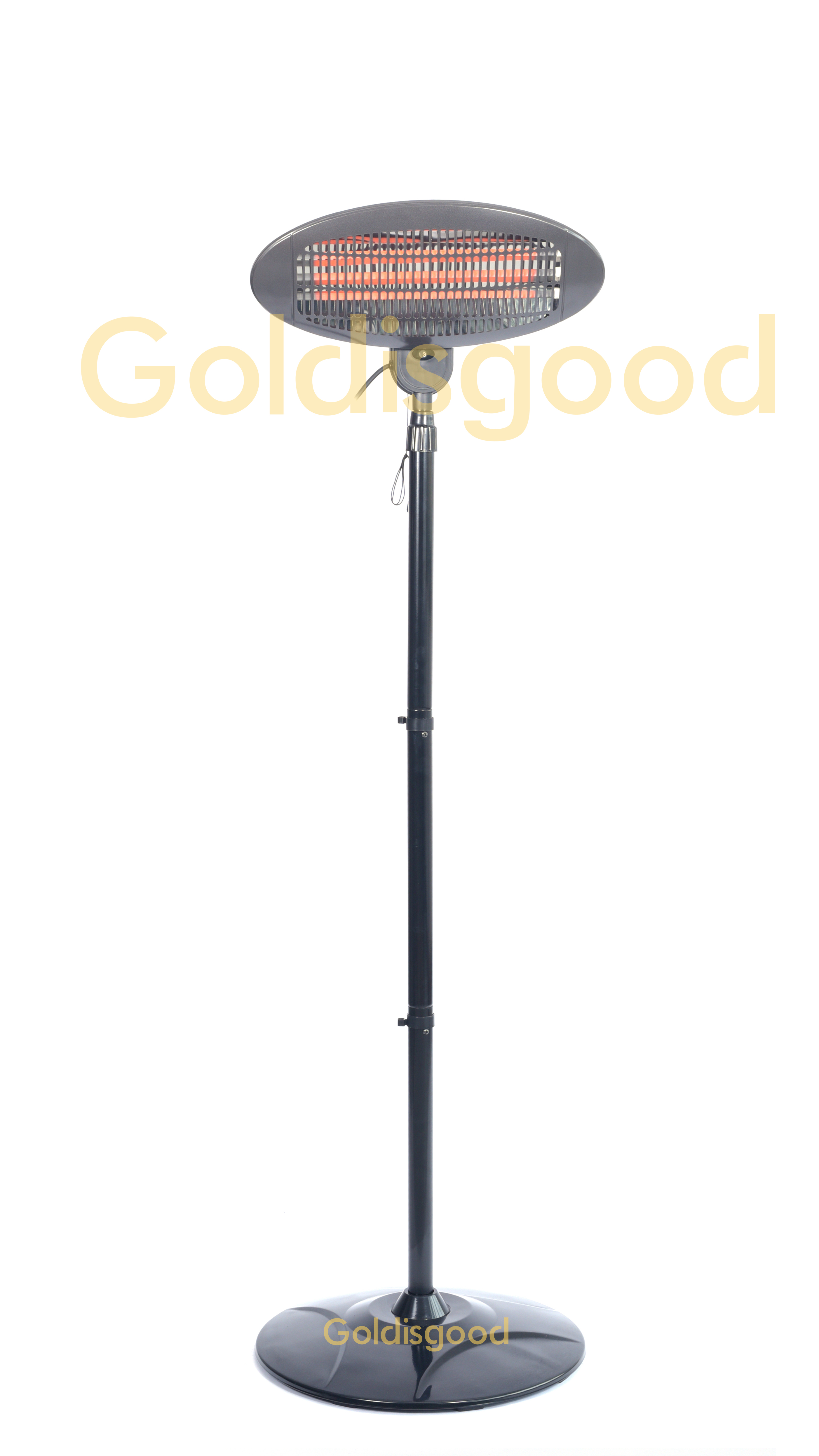
When you’re trying to push warmth down from a 15 or 20-foot ceiling, you can’t play around with the power. You need high wattage and a tight beam. We use high-density quartz elements because they don’t get pushed around by a breeze. The heat cuts right through the wind. But you have to get the math right. Depending on how windy your spot is, you’ll need anywhere from 60W to 100W per square foot. If you go too low, the heat just vanishes into the night before it ever reaches the table.
Turning “Dead Space” Into Money
Let’s be honest: a freezing patio is just wasted real estate in the winter. By setting up a zoned infrared grid, you get those tables back. When guests are actually warm, they don’t rush through their meal to get back inside. They linger. They order another round of drinks or a dessert they weren’t planning on. It means your December through February doesn’t have to be a slump. You can actually fill every seat.
A Few Things to Keep in Mind
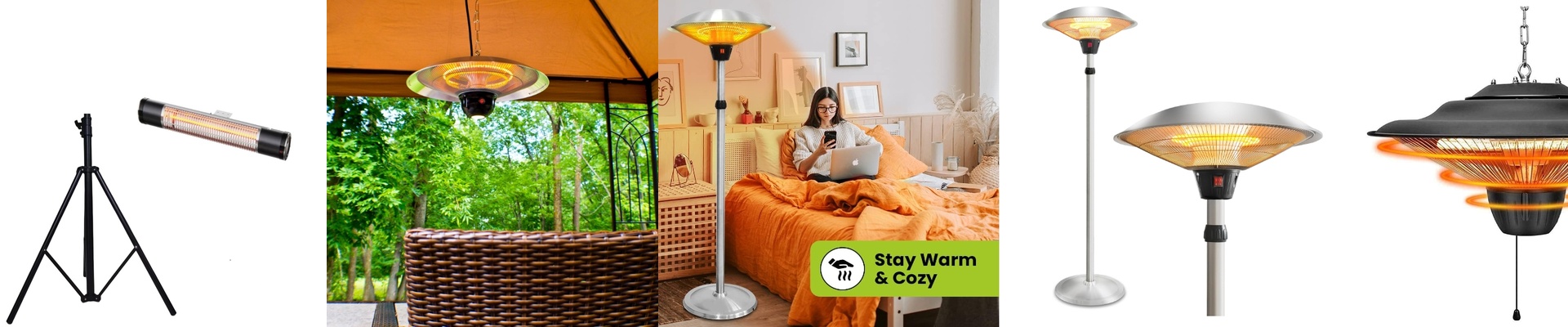
These units aren’t exactly low-power. They pull a lot of current, so you’ll probably need to beef up your electrical panels to handle several 2kW to 4kW heaters. Then there’s the mounting height. It’s a bit of a balancing act. Too high? You lose the punch. Too low? Your guests’ heads will be roasting while their toes are still freezing. We usually suggest a staggered layout. It spreads the warmth out evenly so nobody is stuck in a cold spot.