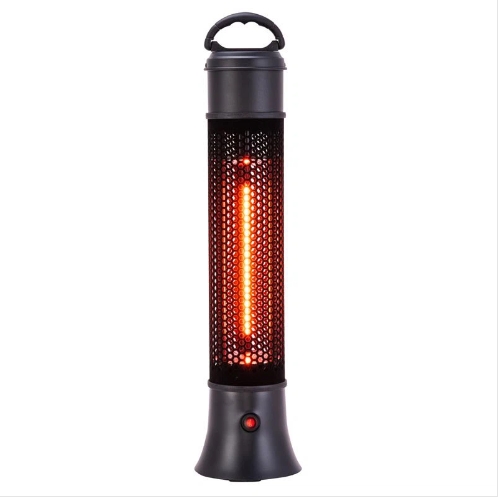
Stop Letting Your Patio Go to Waste This Winter
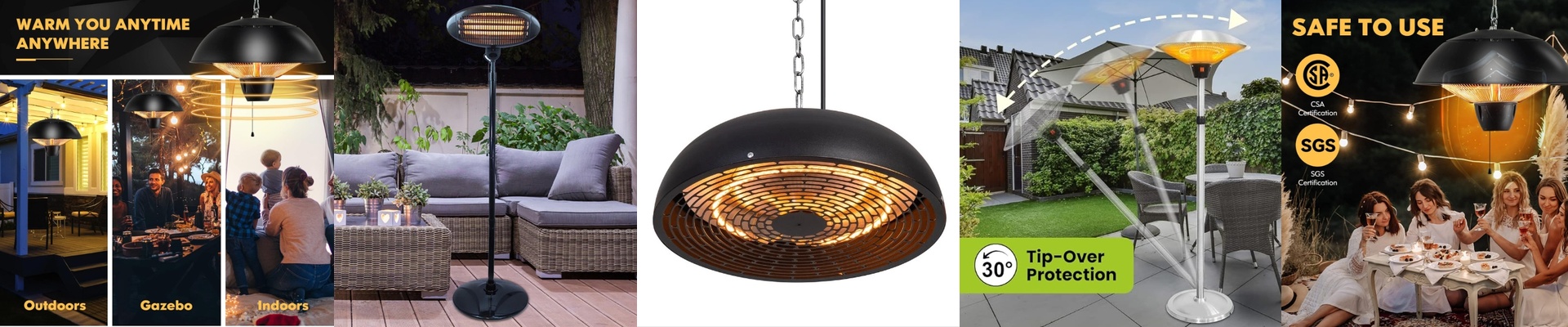
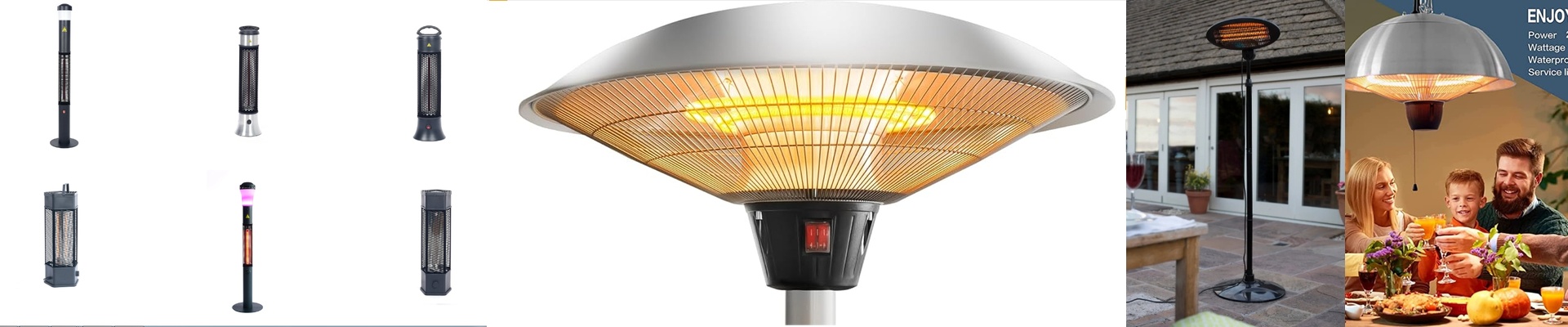
Ever notice how outdoor seating just… dies the second it gets chilly? Most people try to fix this with forced-air heaters, but that’s a losing battle. You’re basically trying to heat the entire outdoors. One gust of wind and all that expensive warmth is gone. That’s why we stick with shortwave infrared. Instead of fighting the wind, infrared goes straight for the target. It warms up your guests and their drinks directly. It’s like sitting in the sun on a crisp October day. No wasted energy, just actual warmth.
Built for the Real World
Patios are brutal on gear. Between the rain, the dust, and the occasional accidental hose-down, your equipment takes a beating. We only use IP55-rated units. Now, that sounds like a technical spec, but here’s what it actually means: your heaters won’t fry the first time a storm hits. They’re sealed tight against dust and water jets. If you go cheap and get something like an IP20 rating? You’re looking at corroded parts and burnt-out elements way sooner than you’d like. Not worth the “savings.”
Getting People in Seats
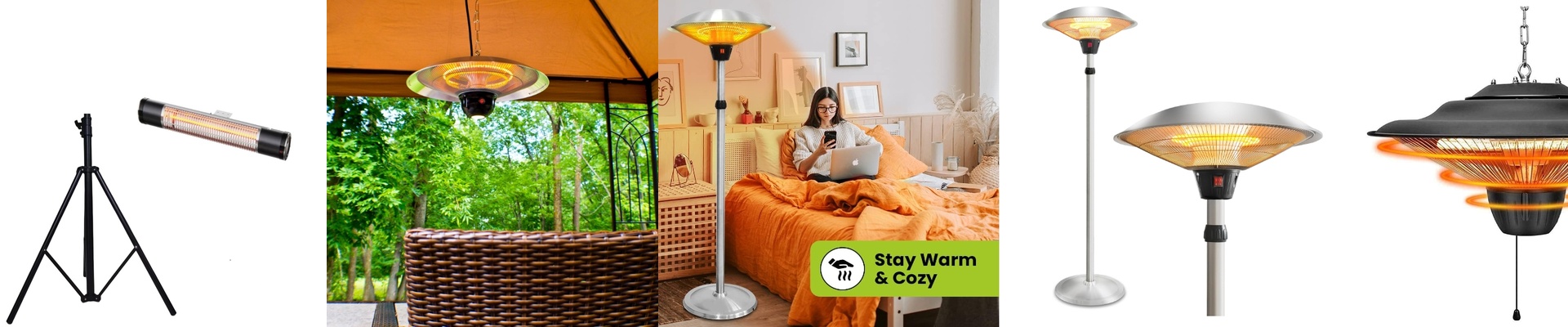
The goal is simple: make people want to sit outside. High-wattage infrared creates an instant “heat zone.” The second a customer sits down, they feel it. That immediate warmth kills the “it’s too cold” excuse, meaning you can keep your tables turning even in December. And because shortwave radiation cuts through clothing and skin deeper than other types of heat, we can mount the units higher up. You get the warmth at the table without having a bulky heater hanging right in your guests’ faces.
The “Gotcha” (And how to fix it)
Here is the thing: these heaters pull a lot of power. You can’t just plug a few of these into a standard wall outlet and hope for the best. If you do, you’ll be tripping breakers right in the middle of the Friday night dinner rush. It’s a nightmare. You need to make sure your electrical panel can actually handle the load of several 2kW or 3kW units. We usually run dedicated lines for every four heaters just to be safe. Also, pay attention to where you put them. Overlap the heat zones a little bit. Nobody likes that one “cold spot” at the end of the table where they’re shivering while everyone else is cozy.