
Stop the Bathroom Mold Before It Starts
Most people buy a bathroom heater because they hate that freezing feeling when they step out of the shower. But if you look at it from an engineering side, a good infrared heater does a lot more than just keep you warm. It actually fixes the environment.
How the heat actually works
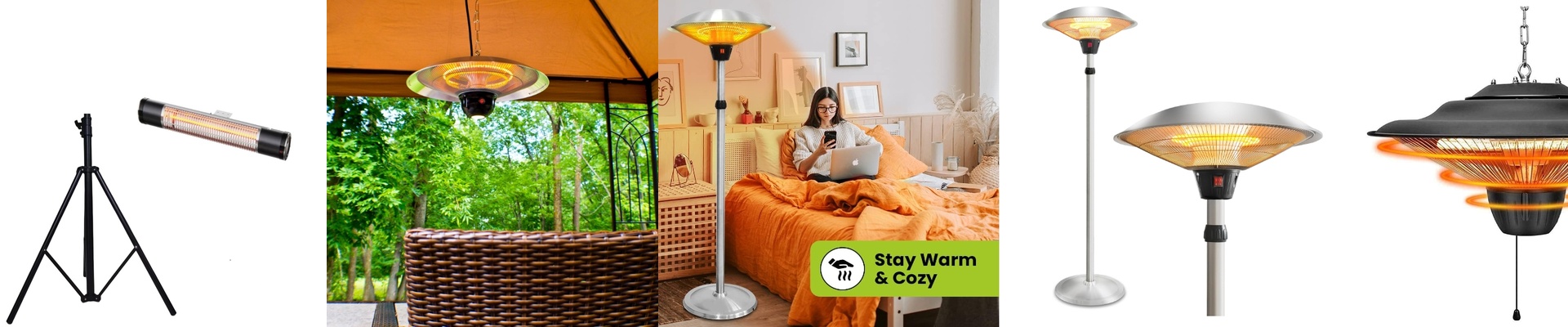
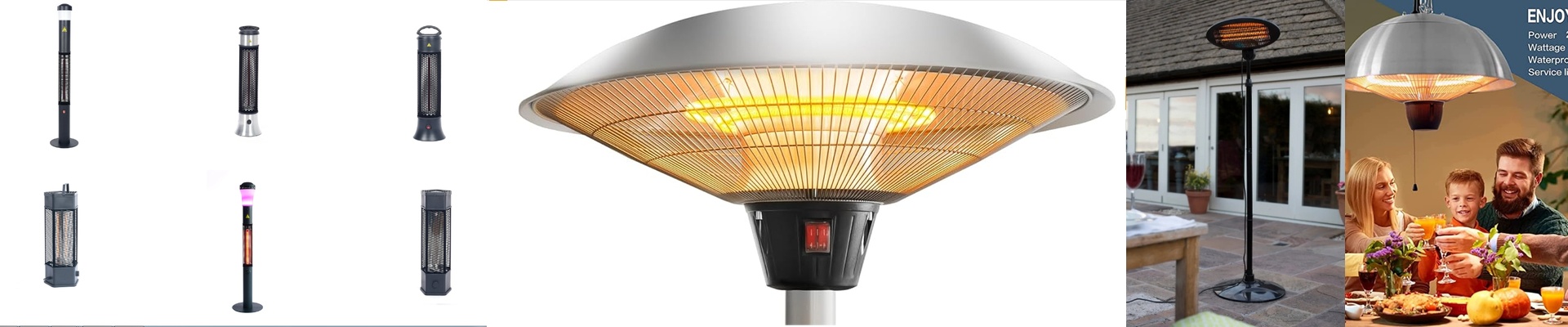
We use something called shortwave infrared (SWIR) emitters. Now, these aren’t like your typical space heaters that just blow hot air around. SWIR goes straight for the surfaces. When you turn these on, the heat hits your walls and ceiling directly. This keeps the surfaces warm enough that water can’t actually condense on them. Think about it: if the wall is warm, the steam doesn’t turn back into liquid. No condensation means no moisture soaking into your grout or drywall. And if the walls stay dry, mold simply has nowhere to grow.
Built for the steam
Bathrooms are basically death traps for electronics. Between the thick steam and the occasional splash, most gear just corrodes or shorts out. That’s why we stick to an IP66 rating. In plain English? It means the housing is totally dust-tight and can handle a high-pressure blast of water without breaking a sweat. Inside, we use quartz glass tubes. They’re tough. They can handle being turned on and off rapidly without cracking from the temperature swing. We also use compression-fit gaskets to seal everything up. We avoid the cheap adhesives you see in other brands because if a seal fails, the whole unit burns out. Simple as that.
A couple of things to watch out for
It’s not all magic, though. There are a few trade-offs. Because these lamps are high-wattage, they create some really intense heat in a small area. If you mount them too low—or too close to a plastic shower curtain or trim—you might actually warp the material. You’ve got to get the mounting height right. You want the heat to spread across the ceiling, not blast one single spot. Get that balance right, and you’ve got a dry, warm bathroom that stays clean.