
Stop Wasting Time Waiting for Air to Heat Up
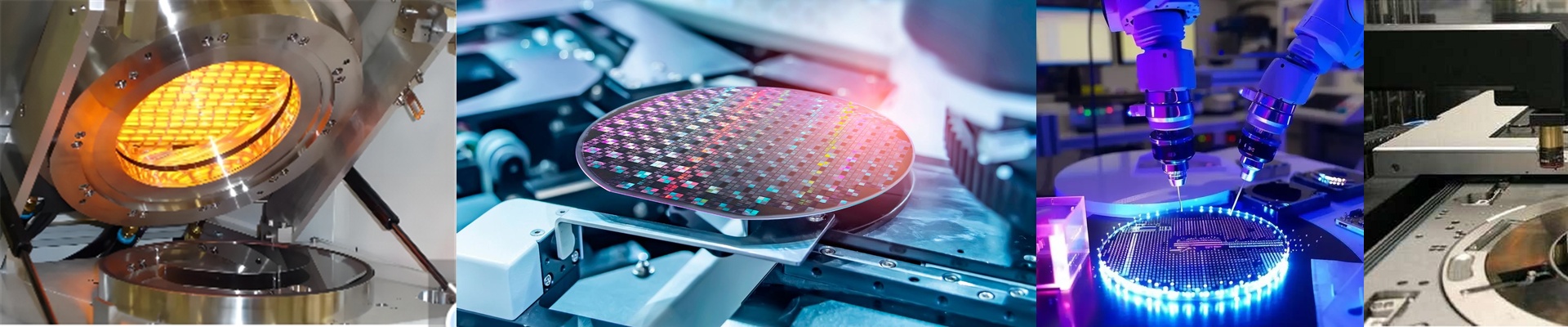
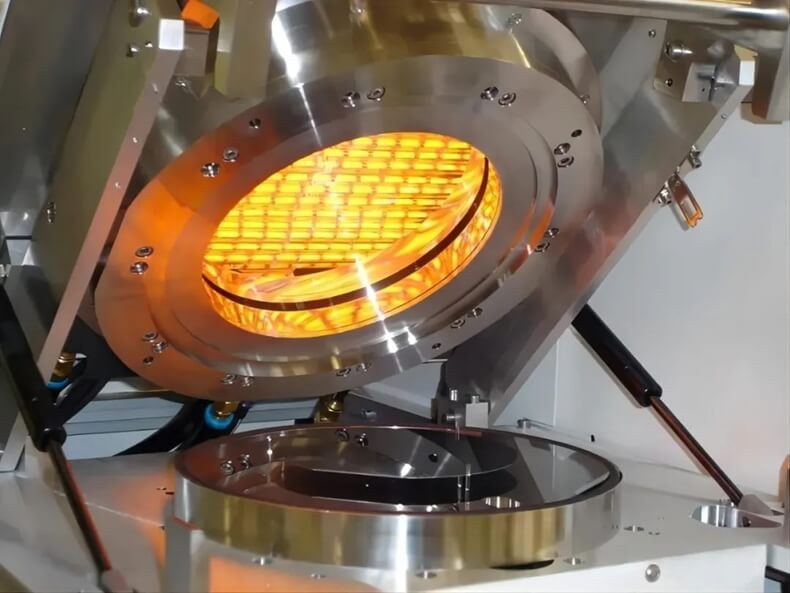
If you’re still using hot air circulation for semiconductor processing, you’re basically paying a “middleman tax” in the form of wasted time. Think about it: you heat the air, and then you hope the air heats the wafer. It’s a slow process. Infrared (IR) heating cuts out the middleman. It sends energy straight to the substrate. No waiting around. Why it actually matters When you use hot air, you’re fighting thermal inertia. You have to wait for the air to hit a certain temperature before the workpiece even notices. It’s a slog. IR lamps are different. They hit the target temperature almost instantly. We’re talking about shrinking your heating cycle from minutes down to seconds. When that happens, your whole production line breathes easier. You don’t need a dozen stations to hit your numbers anymore—you can do more with less space. The “Don’t Burn the Wafer” Problem Speed is great, but if you overshoot your temperature, you’ve just ruined a batch of wafers. That’s a nightmare nobody wants. To keep things under control, we hook the IR heaters up to high-precision thermocouples. This creates a tight feedback loop that tells the heater exactly when to throttle back. But here’s the catch: your sensor has to be as fast as your heater. If you use a bulky sensor with a slow response time, the lamp will keep pumping heat into the part long after it’s reached the limit. You need something lean and quick. The Reality Check IR isn’t a magic wand; it has its quirks. Unlike hot air, which just wraps around everything, IR needs a clear line of sight. If the lamp can’t “see” the part, it won’t heat it. You have to be really intentional about where you place your lamps to avoid those annoying cold spots. Plus, IR puts out a lot of concentrated heat. If you don’t vent your housing properly, the ambient temperature inside the machine will start to drift. And once that happens, your sensors start lying to you.