
Stop Fighting Your Heaters: A Better Way to Handle IP55
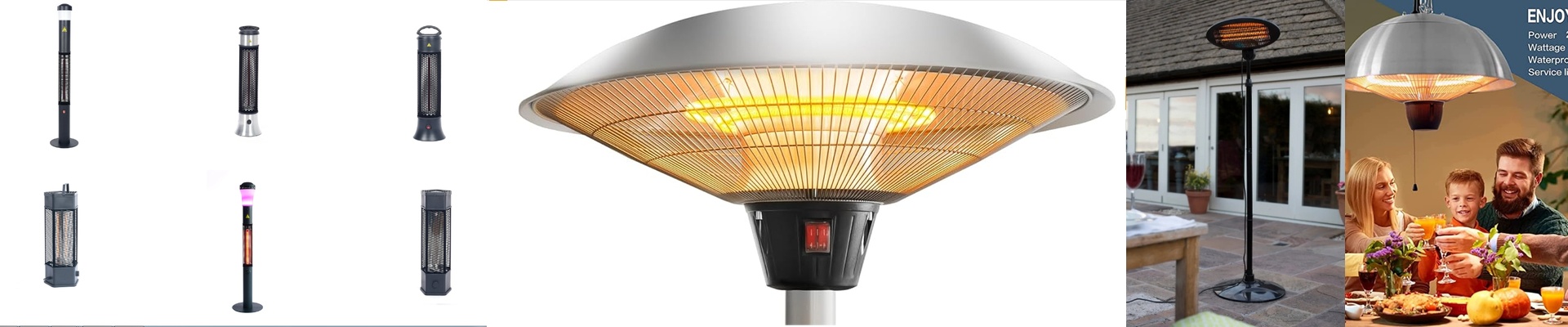
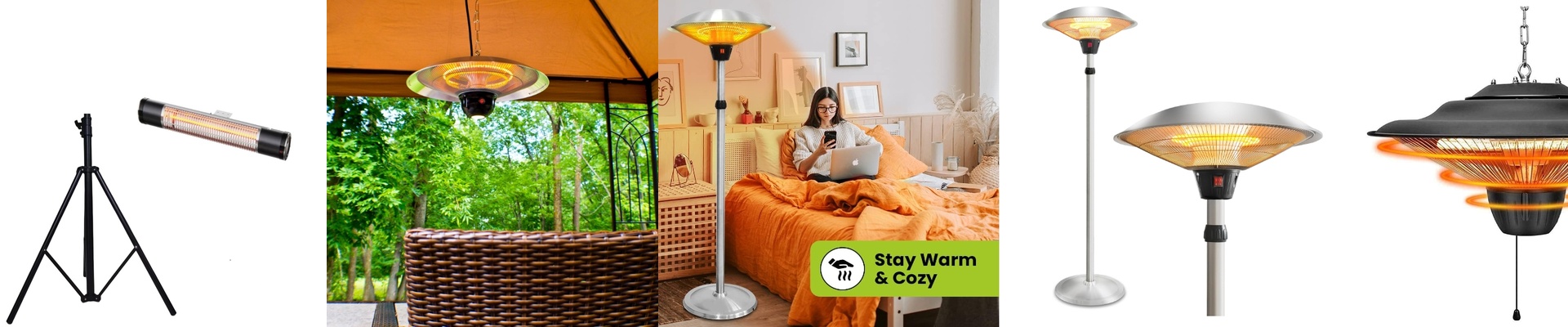
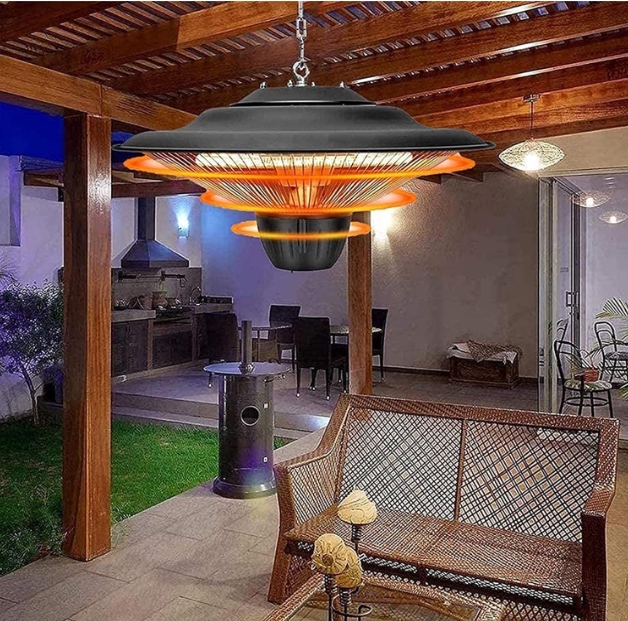
Let’s be honest. Most waterproof table heaters are a total pain to fix. You need that IP55 rating to keep dust and water out, but usually, that means the manufacturer just seals the whole thing shut. When a heating element finally gives out, you’re stuck staring at a mountain of heavy gaskets and permanent fasteners. What should be a quick fix turns into a four-hour nightmare. We got tired of that. So we built a modular chassis instead. The struggle with seals An IP55 rating is great for protecting your gear from water jets, but it usually makes the internals feel like they’re in a vault. With our setup, we used a detachable housing. You don’t have to rip apart your entire table assembly just to see what’s going on inside. It just opens up. Swap tubes in minutes, not hours If a heating tube burns out after five years of hard work, you shouldn’t have to throw the whole heater in the trash. That’s just wasteful. We went with a “drop-in” system. The infrared modules simply slide out of the enclosure. You don’t have to mess with the primary seals to get them out. It’s simple: unplug the lead, slide the old module out, and slot a new one in. It’s fast. Really fast. And that means your production line keeps moving instead of sitting dead because of one burnt-out part. The honest trade-off Now, look—nothing is perfect. Because it’s modular, there are more connection points than you’d find in a solid, welded block of metal. More joints mean more places where a leak could potentially start. We use compression seals to stop that, but you have to be mindful. When you swap a tube, just double-check those seals. Don’t over-tighten the bolts or you’ll crack the seal; don’t leave them loose or you’ll lose your waterproofing. Just a bit of common sense. We build these for the actual shop floor. We know that in a few years, the real cost isn’t the price of a replacement tube. It’s the cost of a machine sitting idle while a technician swears at a screwdriver.