
Introduction
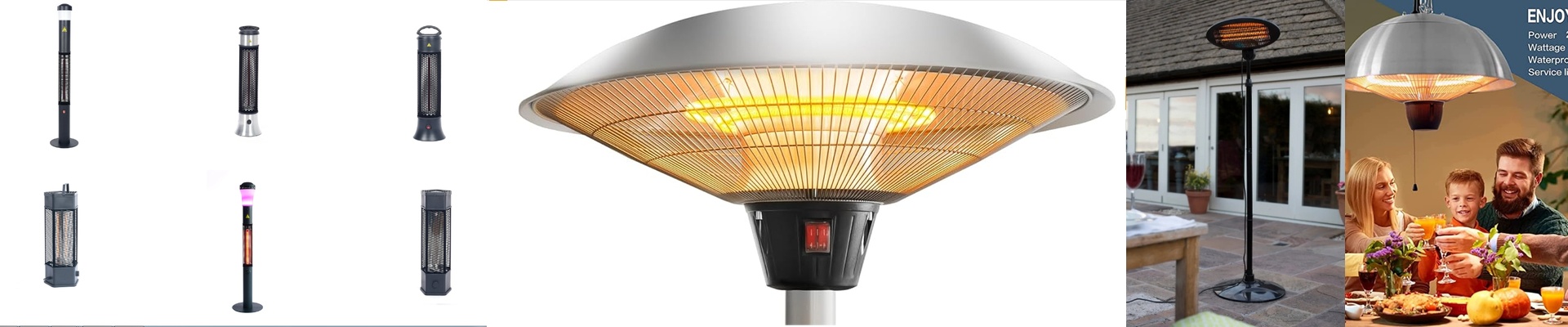
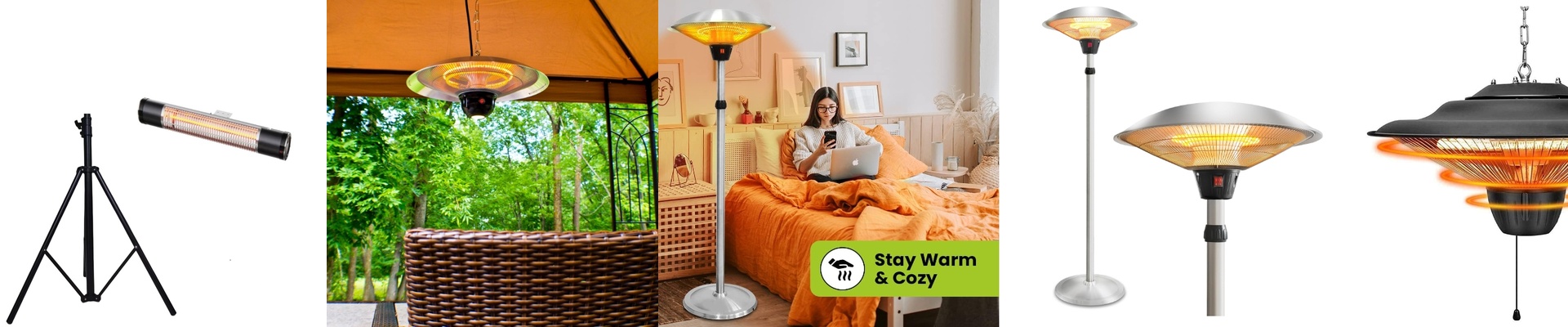
Here’s the honest truth: we built these workshop ceiling heaters for one simple reason. Because standard convection just can’t cut it when you need heat exactly where you want it. At the heart of it all is our explosion-proof infrared heating lamp. It’s not a nice-to-have. It’s a must-have for places where dust hangs in the air, vapors linger, or solvents are part of the daily grind. In those environments, safety isn’t just a priority—it’s the only option.
The Power Behind the Heat
These aren’t your average heaters. We’re talking serious wattage, designed to blast focused warmth across a wide area, all from an overhead mount. To make that happen, the electrical setup has to be tough. We use high-voltage inputs so you get full power even when the cable has to run a long way, without the energy fading out. And the compact tube length? That’s intentional. It keeps the footprint small, so you can pack multiple units into a tight ceiling grid without turning your workspace into a jungle gym.
Built to Handle the Worst
The real workhorse is the quartz tube—but not just any quartz. We went with a heavy-duty, explosion-proof version. This isn’t just about choosing a strong material. It’s a safety feature, plain and simple. If the internal filament ever fails, the tube is built to contain it. No rupture. No drama. Then there’s the R7s connector. It’s the standard for a reason. Two solid contact points that handle high current and laugh in the face of vibration. This is the kind of connection that stays tight, even when the shop floor is shaking.
Safety That Keeps You Running
In a workshop, your heater needs to be as tough as you are. The explosion-proof design is your last line of defense against ignition. It keeps your operation humming, even when the conditions are anything but easy. We know downtime costs you money. This design is all about minimizing the risk of a safety-related shutdown. But let’s be real—there’s a trade-off. The power is intense, which means your electrical system needs to be up to the task. And yeah, the ambient temperature around the heater will climb. So plan your wiring and cooling accordingly. This isn’t a compromise. It’s a purpose-built tool, engineered for performance and safety in the places that matter most.