

Getting Your Bathroom Heat Just Right (Without Wasting Power)
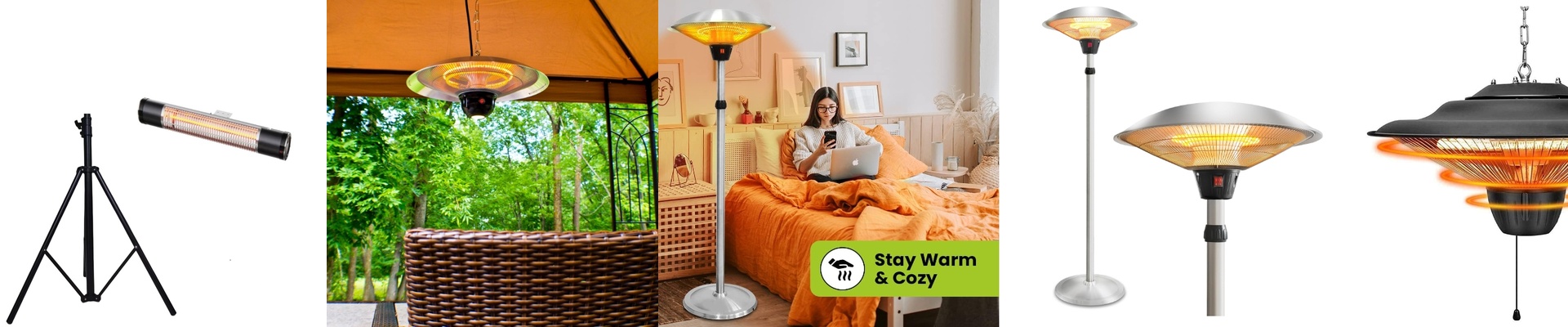
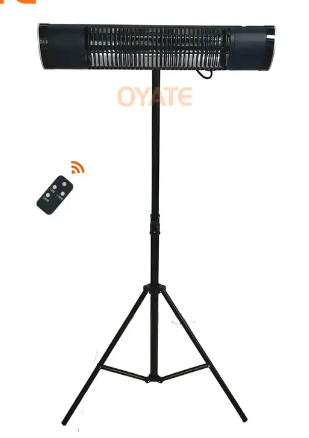
Picking the right infrared lamp isn’t about following a rigid chart; it’s about common sense. If you put a massive 600W lamp in a tiny powder room, you’re basically paying to turn your bathroom into a sauna. It’s a waste of money and, honestly, it just feels too hot. But on the flip side? Putting a 300W unit in a huge master bath is like trying to heat a garage with a candle. You’ll be shivering for twenty minutes before you feel a thing.
Matching the Power to the Room
Here is the general rule of thumb: look at your space. For those small bathrooms—anything under 4m²—you’re usually looking at 200W to 400W. These are great because they beam heat directly onto you. You feel that warmth instantly on your skin, but you aren’t wasting energy trying to heat every single cubic inch of air in the room. If you’ve got a bigger space (8m² or more), don’t just buy one giant lamp. Instead, spread out a few 600W to 1000W units across the ceiling. This way, you don’t end up with those annoying cold spots where you’re warm in one corner but freezing in the other.
The Trade-off: Speed vs. Stability
High wattage is fast. Really fast. A 1000W lamp hits its peak temperature almost the second you flip the switch. But there’s a catch. That much power puts a real strain on your wiring. If you aren’t careful, you might trip your breakers the moment you turn everything on. Lower wattage lamps are a bit more relaxed. They run cooler and tend to last longer, though they might struggle if your bathroom is particularly drafty or has those fancy, high ceilings.
Where to Put Them
To really save on your electric bill, don’t just blast the whole room. Focus on the “danger zones”—the places where you actually feel the chill. Think about the spot right where you step out of the shower or where you stand at the vanity. Put the lamps there. It targets the heat exactly where you need it most. One last thing: since these live in a wet environment, double-check your seals during installation. If a seal is loose, moisture gets in, the filament burns out, and you’re back to square one.Keep it tight, keep it dry.