
Stop Wasting Heat: A Better Way to Warm Your Wafers
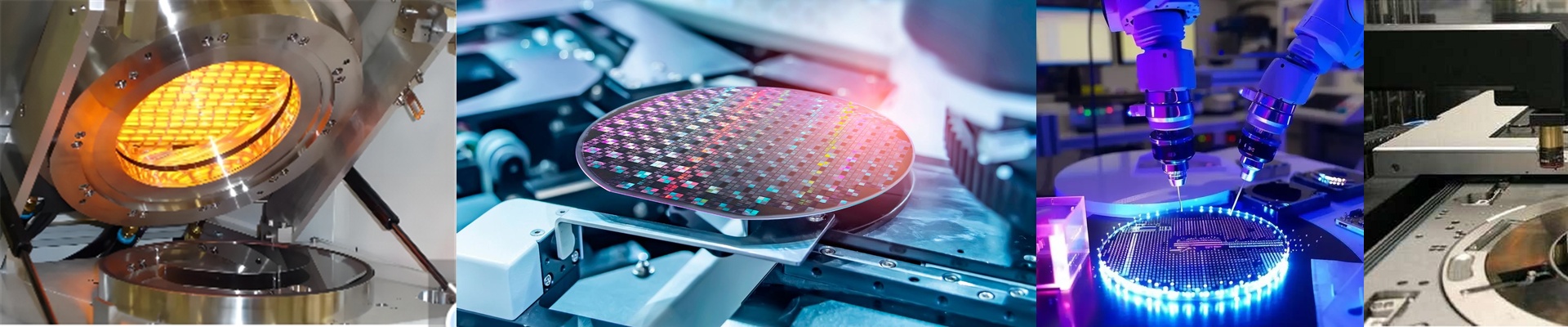
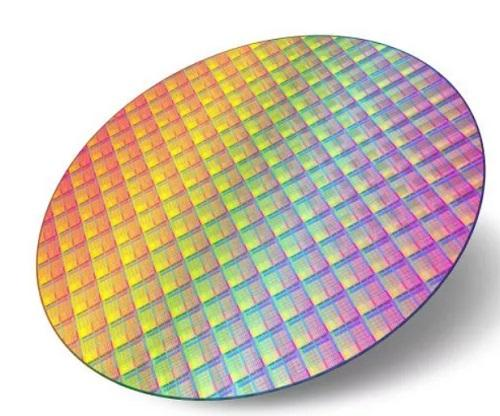
Heating a silicon wafer sounds simple enough, but any engineer who’s actually spent time on the floor knows the real nightmare: stray heat. When you use those standard, “blast everything” heaters, the energy doesn’t just hit the wafer. It hits the inner walls of your vacuum chamber. That’s a recipe for disaster. You end up with a warped chassis or, even worse, an operator getting a nasty burn the second they open the machine. It’s frustrating and, frankly, avoidable. Focusing the heat The trick is to stop thinking about general radiation and start thinking about direction. Instead of letting a lamp throw heat in every direction (360 degrees of waste), we use short-wave IR emitters and specialized reflectors. Think of it like switching from a bare lightbulb to a focused flashlight. We push the photons straight onto the wafer surface. When you tighten that beam, the heat stops wandering. It goes exactly where it’s supposed to. The result? Your wafer ramps up to temperature way faster, and the outside of your machine actually stays cool to the touch. Finding the “Sweet Spot” Now, you can’t just shove a high-wattage lamp right against the wafer. You need some breathing room. That gap—the safety distance—is everything. If you’re too close, you’ll end up with hot spots that ruin your wafer. But if you pull back too far, you lose that focus, and the heat starts bleeding back into the chamber again. It’s a balancing act. We figure out the specs based on how hot you need to go and how much your chamber can actually handle. Short-wave lamps pack a ton of punch into a tiny footprint, but keep in mind: the more power you pump in, the harder your cooling water loops have to work. You don’t want your seals melting because you pushed the power too high. The Reality Check Look, directional heating isn’t some magic fix that solves every problem. Because the beam is so focused, the center of the wafer gets hit the hardest. You’ll have to spend some time tweaking the lamp height and power cycles to make sure the heat is even across the whole diameter. And a word of caution: if your cooling system is under-powered, even a directional lamp will eventually soak the surrounding hardware in heat. You’ve still got to have a solid cooling foundation, or the physics will eventually catch up with you.