
Stop Cooking Your Vacuum Chamber
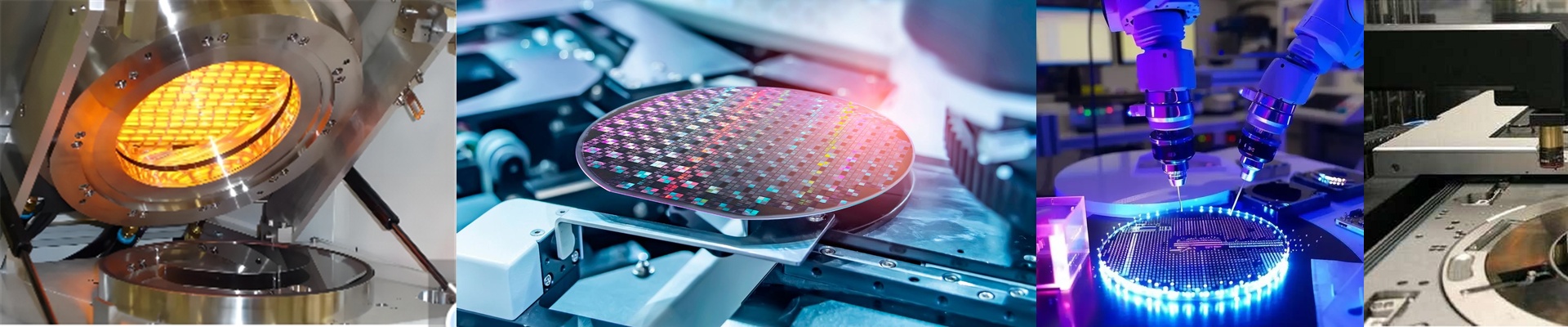
Anyone who’s spent time in semi-fab knows the struggle. You need to get a wafer hot, but you don’t want to accidentally bake your entire piece of equipment in the process. Here’s the problem: standard IR lamps are basically lightbulbs on steroids. They throw heat in every single direction. A huge chunk of that energy misses the wafer entirely and slams straight into the inner walls of your vacuum chamber. When those walls start soaking up all that heat, things get messy. You’re looking at damaged seals and a genuine safety risk for whoever is standing next to the machine.
Getting the Heat Where it Actually Belongs
We handle this with directional IR. Instead of just sticking a bare quartz tube in there and hoping for the best, we use reflectors and specific coatings to push the energy exactly where it needs to go: the wafer. It narrows the beam. By focusing the heat, you stop that “waste” energy from bleeding into the chassis. The result? Your target gets the heat flux it needs, while the walls stay cool. Plus, your cooling water loop doesn’t have to work nearly as hard.
The Catch (and How to Handle It)
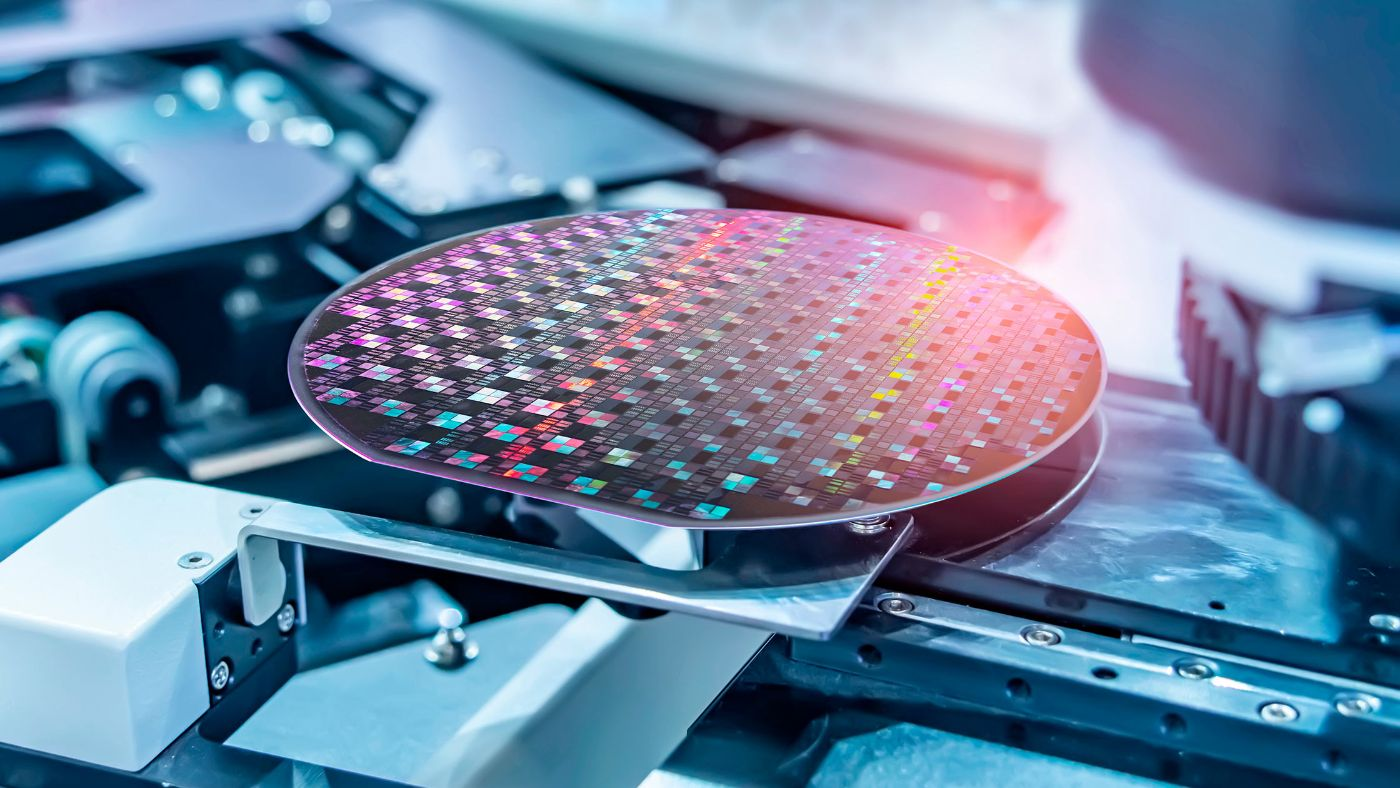
Now, this isn’t a “set it and forget it” situation. Precision is everything here. If your lamp is off by even a few millimeters, you’ll get hot spots on the wafer. That’s a nightmare for thin-film deposition or etching because your results won’t be uniform. It’s a game of millimeters. We usually go for high-watt density to keep ramp-up times fast. But keep in mind: more power means the filament runs hotter. Just make sure your power supply can take that initial cold-start current spike without tripping your breakers.
Keeping the Shop Floor Safe
At the end of the day, this isn’t just about saving on the electric bill. It’s about the people running the gear. When the chamber walls aren’t absorbing all that excess radiation, the outside of the machine stays at a temperature you can actually touch. No one has to worry about getting burned during a quick maintenance check or a wafer swap. It takes a dangerous, unpredictable heat soak and turns it into a process you can actually control.