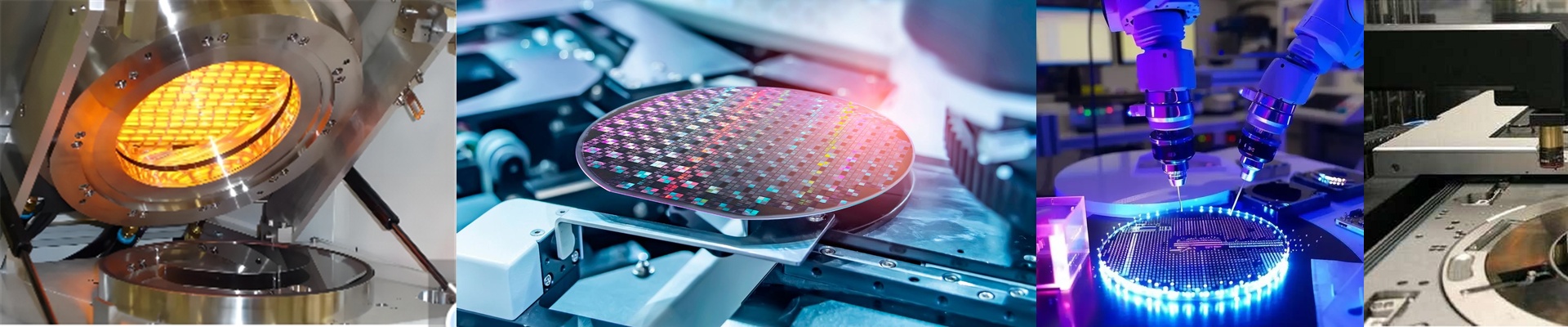

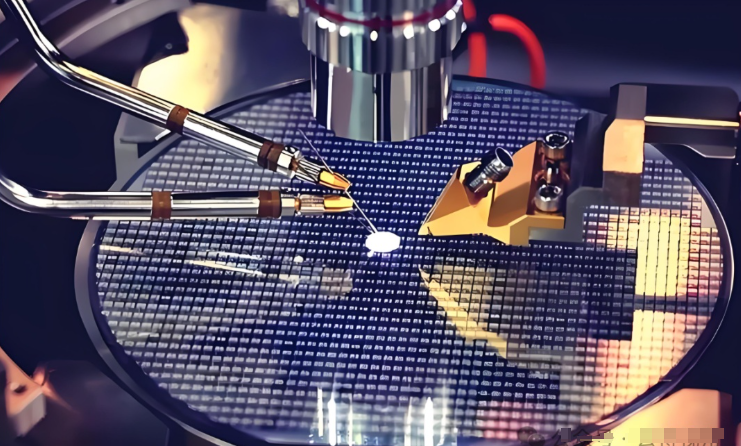
On the fab floor, soft bake and hard bake aren’t just thermal steps—they’re yield gates. A 0.5°C drift will wreck CD control, and a particle spike can kill a lot. Vacuum oven heating elements have to hold stable heat under low pressure without outgassing or adding contamination. What we really need from the elements We design vacuum oven heating elements around repeatable temperature delivery: ±0.1°C uniformity across the chamber, fast thermal response to hit short bake windows, and low-outgassing materials to keep particle count down. Quartz or ceramic-based elements give clean, predictable radiant heat that, paired with vacuum control, stabilizes wafer-level thermal budget. The specs line up with the tool envelope—standard voltages, compact form factors, and terminals that stay solid through thermal cycling. In lithography lines, the vacuum oven heating element keeps photoresist profiles consistent lot to lot. Tight uniformity cuts edge-of-wafer excursions, which helps overlay and CD uniformity. Cleanroom-compatible build fits Class 1–100 environments, and stable resistance over time keeps 24/7 operation from drifting bake to bake. The payoff is fewer reworks, steady cycle times, and predictable energy draw. Here’s the part that bites you if you ignore it: vacuum bake elements are fussy about mounting and contact pressure. Plan for proper thermal anchoring and double-check chamber shielding so you don’t cook up local hot spots. Make sure the element plays nice with your oven fixtures and instrumentation before you integrate it. And remember, vacuum changes the heat transfer—convective losses drop. Setpoint tuning has to be validated against actual wafer temperature, not what the chamber wall is reading.