
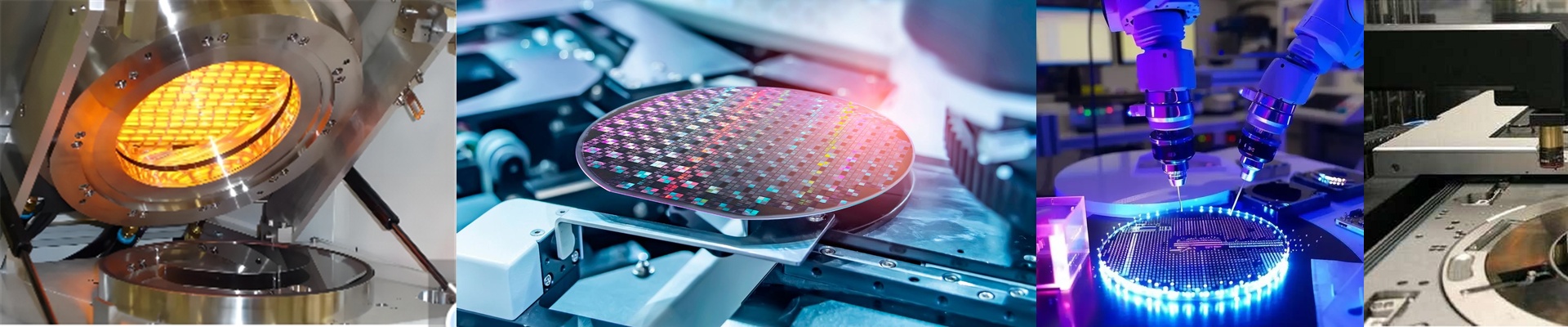
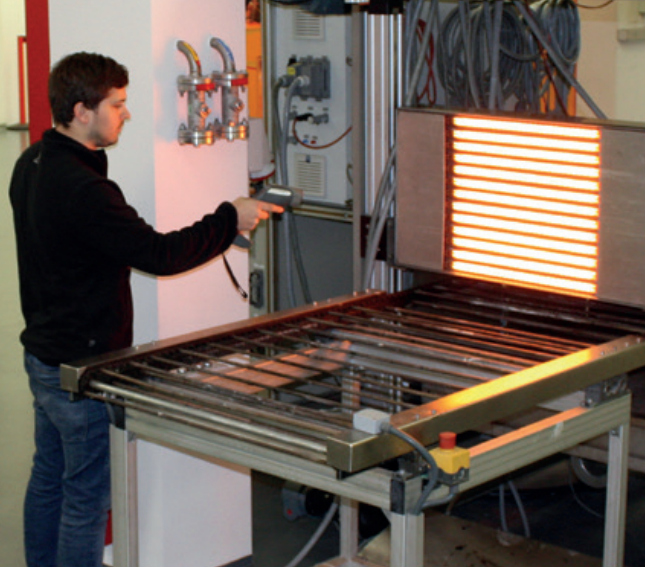
On the wafer floor, you learn fast: a 1°C swing during the photoresist bake can kill an entire 300mm lot. Temperature uniformity isn’t just a metric—it’s the line between making yield and making scrap. We built our long-life infrared heating tubes to live on that line. What matters, technically We run short-wave infrared emitters inside a quartz envelope. The response is fast, and the radiant output stays steady. Across the heated zone, uniformity holds within ±0.1°C, and repeatability is tracked per lot, not per day. These tubes don’t throw particles, so cleanroom particle counts stay within Class 1–100 envelopes. We target lifetimes beyond 5,000 hours, with less than 5% output decay. That means fewer surprise change-outs and less downtime. Why it works in the bake Soft bake and hard bake set the photoresist profile that drives linewidth control. With these tubes, you heat the substrate directly, so thermal lag drops and those hot-zone gradients that cause edge defects don’t get a foothold. The payoff shows up as tighter CD uniformity, fewer reworks, and a thermal budget that stays stable shift after shift. Energy use comes down too, because the emitters hit setpoint quickly and hold it without hunting—less idle power, and a cleaner, steadier process window. Here’s what you need to get right Installation comes down to precise optical alignment and dedicated reflectors to keep the radiant flux where it belongs. The tubes interface with standard semiconductor equipment, but you have to engineer the thermal coupling so you don’t get localized overshoot. Stay inside the specified voltage window—excursions age the tube faster and can shift the wavelength, which changes absorption in the photoresist stack. And always plan a controlled cooldown cycle; it protects the quartz and keeps long-term stability where it needs to be.