
Introduction
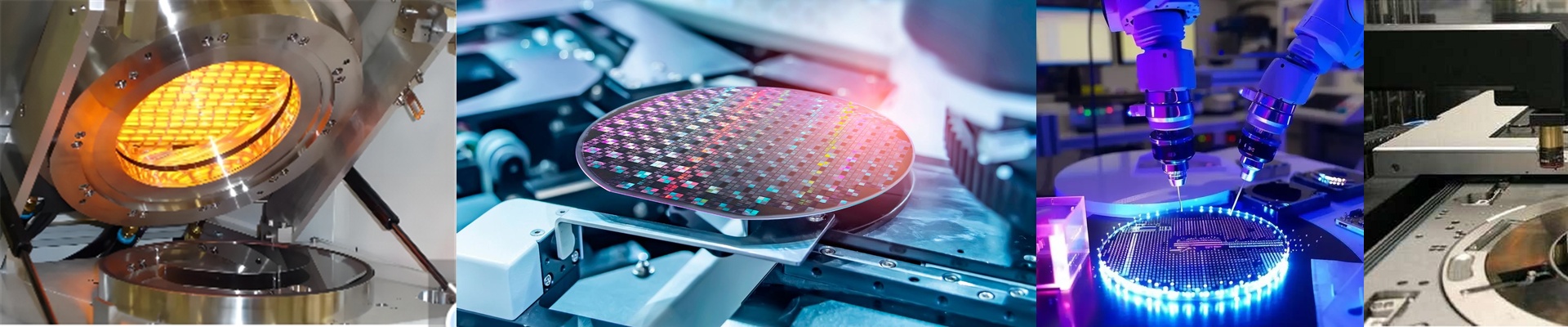
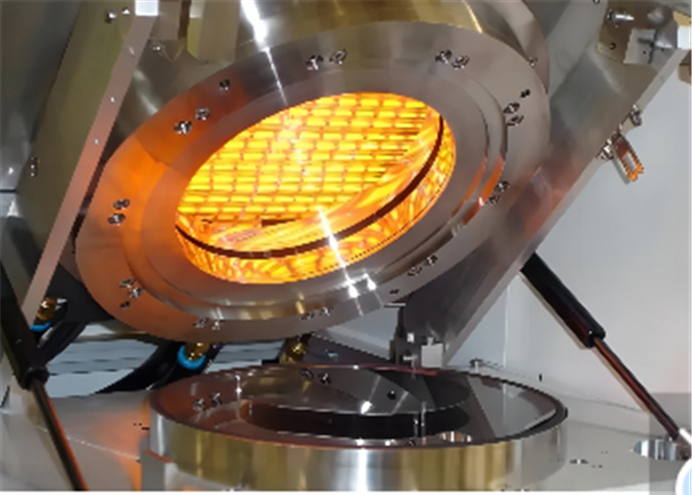
Let’s talk about a real pain point: those ridiculously expensive imported semiconductor parts. Specifically, the infrared heating lamps that keep wafer processing humming. The big question on everyone’s mind is this: can we actually get a domestic option that works as a straight swap? No hacks, no modifications. Just plug it in and go. Here’s the good news—we’ve engineered one that does exactly that.
Technical Deep-Dive
These heaters don’t mess around. The specs are strict, and we stick to them like glue. Voltage? Wattage? They have to match the original exactly. Most run at high voltages—think 400V—to deliver the kind of heat density the process demands. And the size? Absolutely critical. Even a tiny deviation throws everything off. We hold our 300mm tubes to such tight tolerances that they slide right into the existing reflector and mounting hardware. No fiddling. No rework. Just a perfect fit. Because when the lamp lines up properly, the wafer heats evenly. And that’s the whole point.
Material & Design
We built our heater around a short-wave infrared halogen element, all tucked inside a quartz tube. Why? Because it responds lightning-fast to temperature changes—exactly what wafer processing calls for. The tube itself has a special coating to spread the heat evenly and shield the filament inside. But the real magic happens at the connectors. We use standard interfaces—like R7s or SK15—the same ones already on your machine. That means you don’t have to cut, splice, or rewire anything. Seriously. Just plug it in.
Application & Benefits
Downtime on a wafer line is the worst. Every minute counts. That’s why we designed this heater as a true drop-in replacement. It delivers the same power density as the imported version, so your process temperature stays rock-solid. Consistent results, every time. The swap is quick. Like, really quick. Now, here’s the one thing to keep in mind: this thing packs a punch. It generates serious heat. So your machine’s cooling system needs to be up to the task. But for engineers? It means finally having a reliable, cost-effective option that performs exactly as promised—no redesign needed.