
Stop Waiting on Your Heaters: The Reality of Vacuum IR
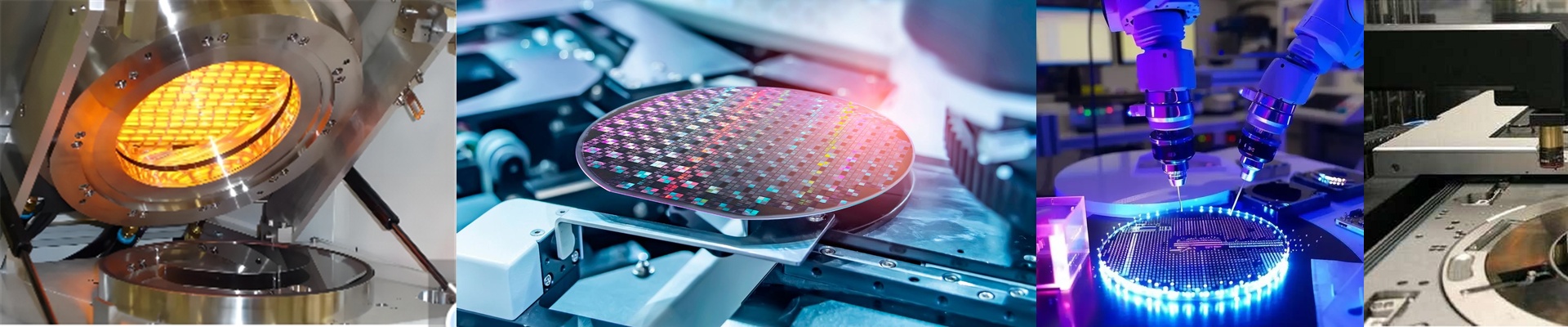
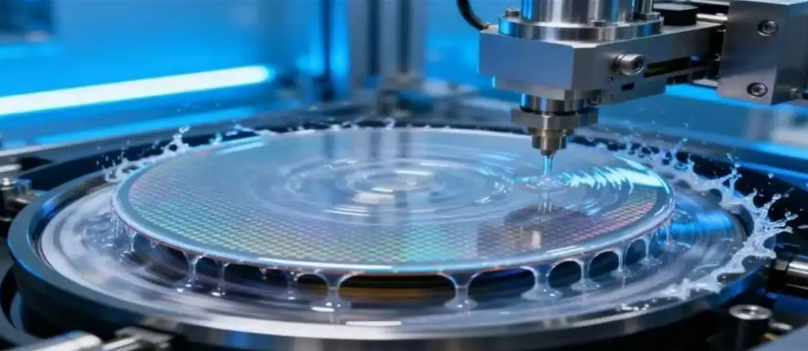
If you’re still relying on hot air circulation for semiconductor processing, you’re basically fighting a losing battle with time. Here’s the problem: in a vacuum, you don’t have air to move around. You can’t just “blow” heat onto a wafer. You’re stuck. That’s where vacuum infrared (IR) heaters come in. Instead of trying to warm up the room, IR uses electromagnetic radiation to hit the wafer directly. It’s a completely different way of thinking about heat. The hidden cost of “waiting” We’ve all been there. You turn on a hot air system and then… you wait. You have to heat the air, then the chamber walls, and finally the part itself. It’s a slow crawl. IR doesn’t do that. It hits the target almost instantly. I’m talking milliseconds. Think about what that actually means for your day. If you can turn a 10-minute ramp-down into 30 seconds, your throughput shoots up. You get more done per hour without having to buy more equipment or find more floor space in an already crowded lab. Getting the setup right Of course, you can’t just throw any heater into a vacuum. You need the right gear. We usually go with quartz envelopes and high-purity seals. Why? Because “outgassing” is a nightmare. One tiny leak of impurities and your wafer is ruined. But there’s a catch. High-wattage IR lamps are fast, but they’re aggressive. They create intense, localized heat. If your substrate can’t handle that kind of thermal shock, it’ll warp. To stop that from happening, you need a solid PID controller to dial in the power so you don’t overshoot your target temperature. The trade-off Now, IR isn’t a magic bullet for every single job. It’s line-of-sight. If your part has weird shapes, deep holes, or complex geometry, the IR light won’t reach every corner. You’ll end up with some spots that are scorching and others that are still cold. You’ll have to spend some time mapping your heater array or using reflectors to bounce the heat into those dead zones. Forced air is slower, sure, but it’s more forgiving. It wraps around the part. But if you’re working with flat substrates and you need raw speed? IR is the only way to go.