
Drying Semiconductor Gloveboxes with IR Heating
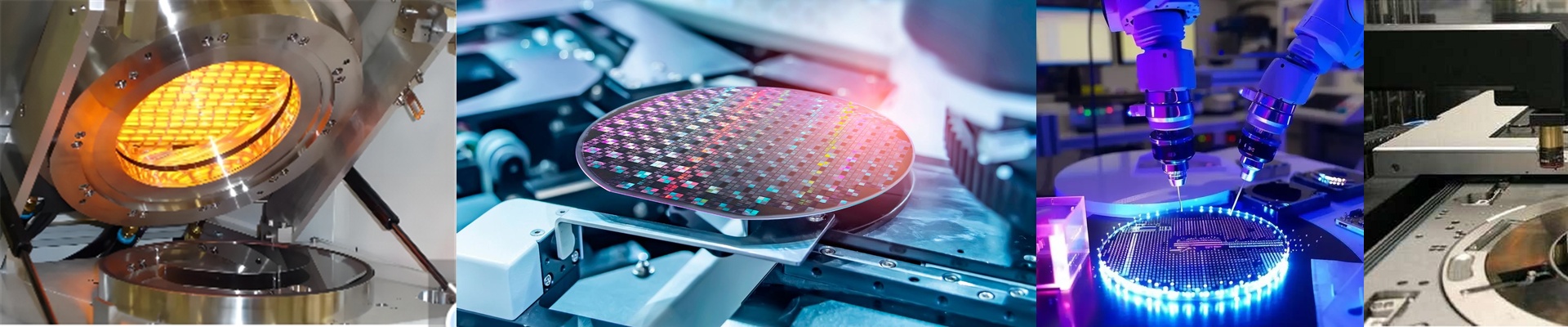
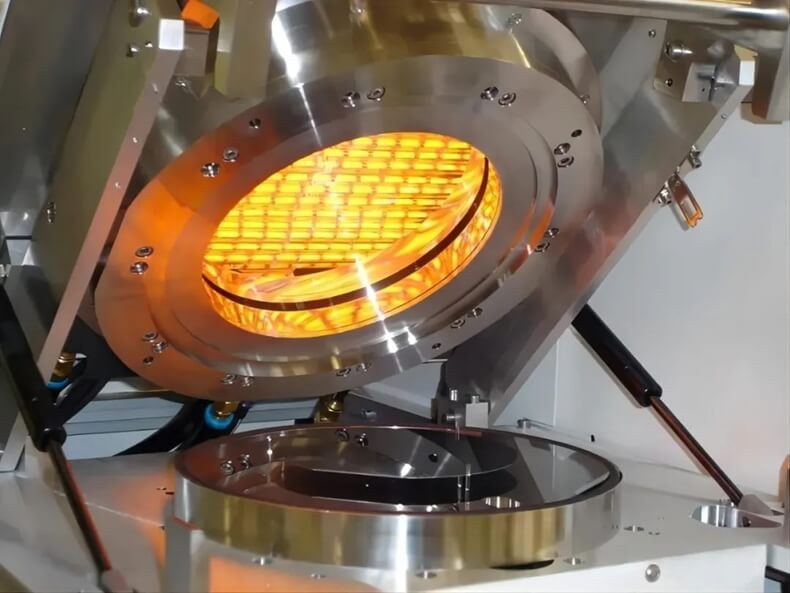
Let’s be honest: traditional convection ovens are a pain. Especially now that we’re all trying to move toward lead-free, eco-friendly standards. That’s why we’ve shifted to infrared (IR) heating in our gloveboxes. Instead of blowing hot air around, IR uses radiation. It’s a cleaner way to work. You don’t have to worry about circulating contaminated air or leaning on chemical solvents just to get things to dry faster. How the heat actually works Think about a standard oven. It warms the air, and then the air warms your part. It’s slow. It’s tedious. IR is different. It sends out electromagnetic waves that hit the substrate directly. The result? An almost instant thermal response. When you’re working in a glovebox with Nitrogen or Argon, this is really the only way to get the heat density you need without messing up your gas balance or risking oxidation. The tricky parts (and how to handle them) It’s not just “plug and play.” You have to pick your wavelength based on how thick your material is. If you’re curing thin films, short-wave elements are your best bet because they hit the surface hard and fast. But you have to be careful with the distance. If the element is too close, you’ll burn right through your substrate. Too far, and you’ve lost all that efficiency we’re looking for. Also, keep an eye on your power supply. Those high-wattage IR lamps pull a lot of current. If your wiring isn’t up to the task, you’ll get voltage drops, and your curing consistency will go right out the window. Why this is better for the planet The best part is that IR is a “dry” process. No VOCs. No lead-based fluxes to lower the melting point. You flip the switch, the element glows, and the part cures. Then, when you turn it off, the heat stops almost immediately. There’s no “thermal lag.” You aren’t wasting energy waiting for a massive oven to cool down for hours. It’s just simpler.