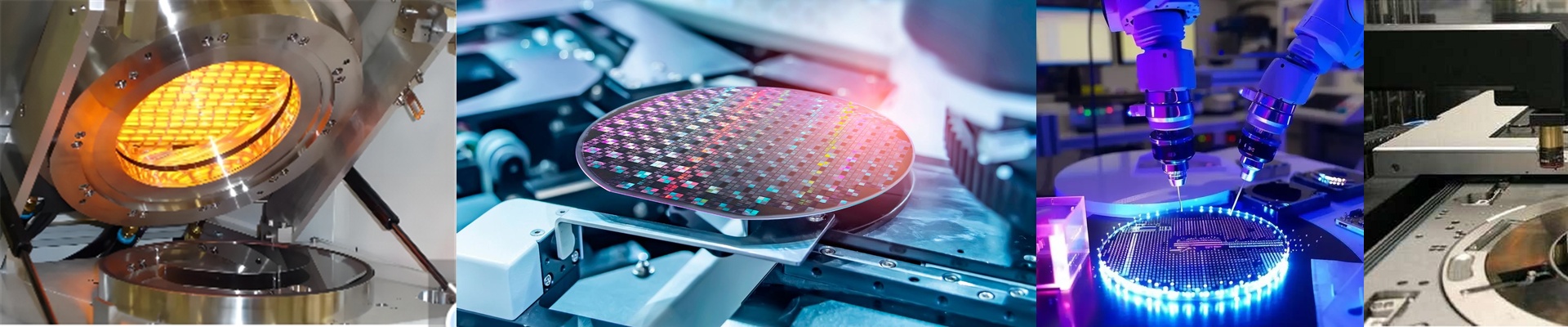

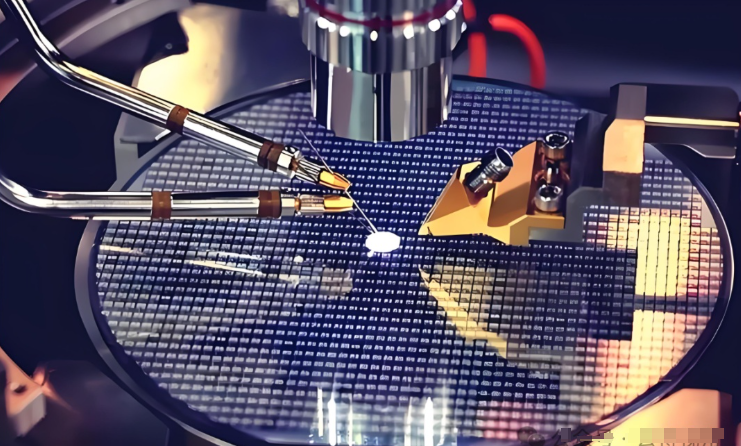
On the fab floor, thermal drift during soft bake or a cold spot in the drying chamber will eat your thermal budget. Yield starts slipping before the lot even makes it out of the cleanroom. We built our quartz heater tubes to stop that from happening—by holding temperature where the process demands it, not where the heater happens to settle. What matters, technically The tube runs short-wave infrared through high-purity quartz, so you get fast ramp rates with low thermal inertia. Expect ±0.1°C setpoint stability across the active length, and repeatable profiles from 150°C bake to 350°C cure. In Class 1–100 environments, the materials and seals are chosen to keep particle counts down—no outgassing spikes, no film contamination. Power density is tuned to match oven zones, and the termination is engineered for high-cycle connectors and ESD-safe handling. Here is why it holds up in real work. Wafer drying and cleaning dry-out need uniformity; uneven heat leaves water marks and drives defects. In lithography, photoresist soft bake and hard bake set critical dimensions—this tube keeps the whole batch inside spec, so you cut scrap and rework. For packaging, curing and underfill require repeatable ramp and soak; you get it without hot spots that can crack substrates. The payoff is fewer parameter excursions, lower energy per wafer, and longer intervals between maintenance. A few practical notes. Quartz doesn’t forgive mechanical shock or thermal stress, so the oven fixture has to support the tube without binding, and thermal anchoring needs to be controlled. Double-check clearances against chamber geometry, and confirm voltage and cooling compatibility with your oven platform. Plan scheduled inspections of seals and terminations—those small, routine checks keep uptime high and particle performance stable.