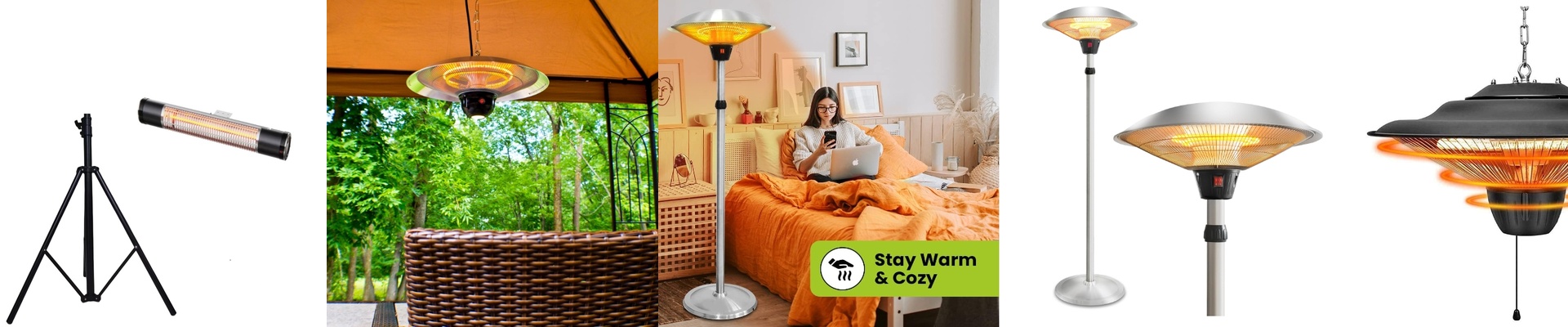

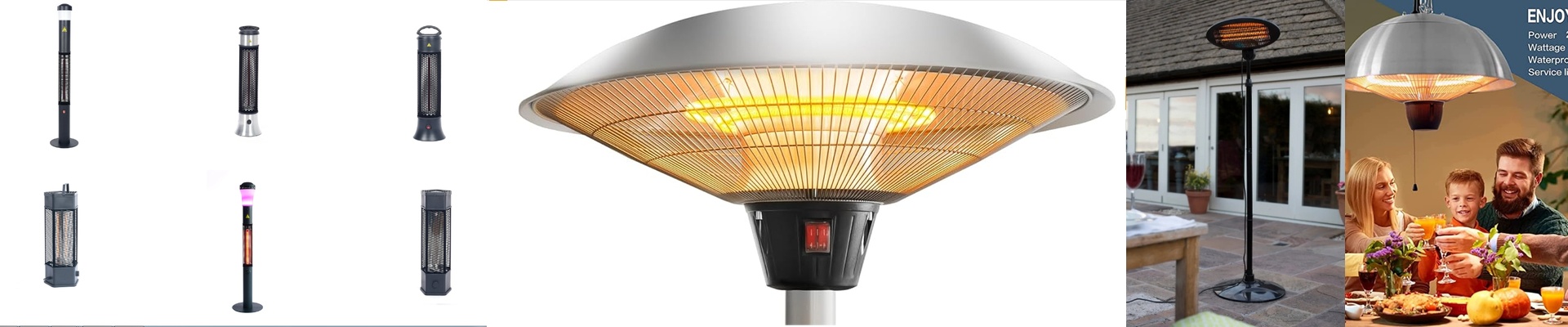

A nursery is meant to be quiet. When a newborn is sleeping, even a soft hum can feel like a disruption. Traditional forced-air heaters not only pull oxygen from the room, they dry out mucous membranes and kick up dust—three things you absolutely don’t want near a crib. That’s why a lot of families lean into infrared warmth. It heats people and surfaces directly, with no combustion and no air movement.
What matters under the hood
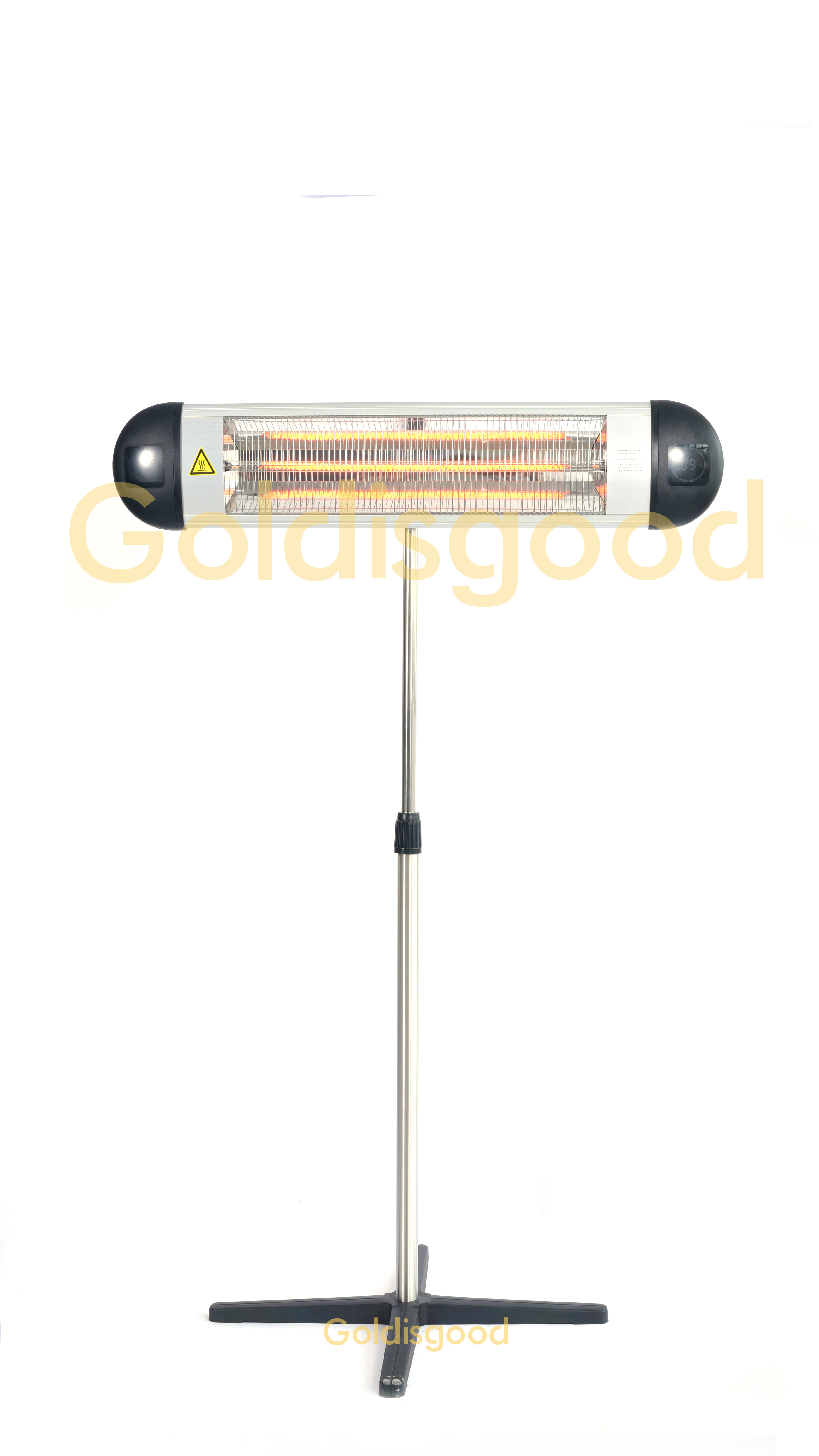
Infrared electric heaters deliver radiant heat—think of it like the sun, but gentle, controllable, and safe indoors. We run a carbon fiber element inside a sealed quartz tube, so heat transfers efficiently with no open flame and no oxygen draw. You get instant warmth where you need it, and you don’t lose humidity in the room. Add in a low-noise design with no fan, and the space stays calm while the heat does the work. Throw in Alexa compatibility and control gets a lot easier. You can set schedules, tweak the temperature, and check status with your voice, so you don’t have to tiptoe across the floor. Safety is built in, too: overheat protection, tip-over protection, and a solid base keep operation straightforward.
Why this fits a nursery
With infants, comfort isn’t just about degrees on the thermostat. It’s about air quality, moisture balance, and keeping sleep uninterrupted. Infrared warmth heats the crib, the changing table, and your arms—without the drafts and dryness that come from forced-air units. Because there’s no fuel burning and no air movement, oxygen levels stay steady, and the air feels cleaner. For parents, the convenience is genuine. Voice control lets you make small adjustments without reaching over the baby. You can hold the room at a steady, gentle level, and the heater responds quickly when a door opens or the temperature dips.
What to keep in mind
Infrared heaters are designed to warm people and objects directly, not to heat an entire house like a central system. For best results, use them in smaller, well-insulated spaces—nurseries, sitting areas, that kind of footprint. And like any electric heater, it needs a dedicated outlet and should never be covered. Placement matters for comfort. Position the unit to hit the area where you actually spend time, and keep it at a safe distance from bedding and curtains. If you want whole-room warmth, you can pair it with a gentle, low-noise convection unit—just know that only infrared gives you that oxygen-free, draft-free feel families with babies prioritize.