
The lights drop, the screen flickers to life, and your home theater is set to pull you in. Then the opening scene hits, and so does the distraction—the low hum and rush of air from a forced-air heater. You miss the hush in the dialogue, the soft rustle of leaves, the pause between notes. In a room built for immersion, background noise is exactly what you don’t want.
What matters under the hood
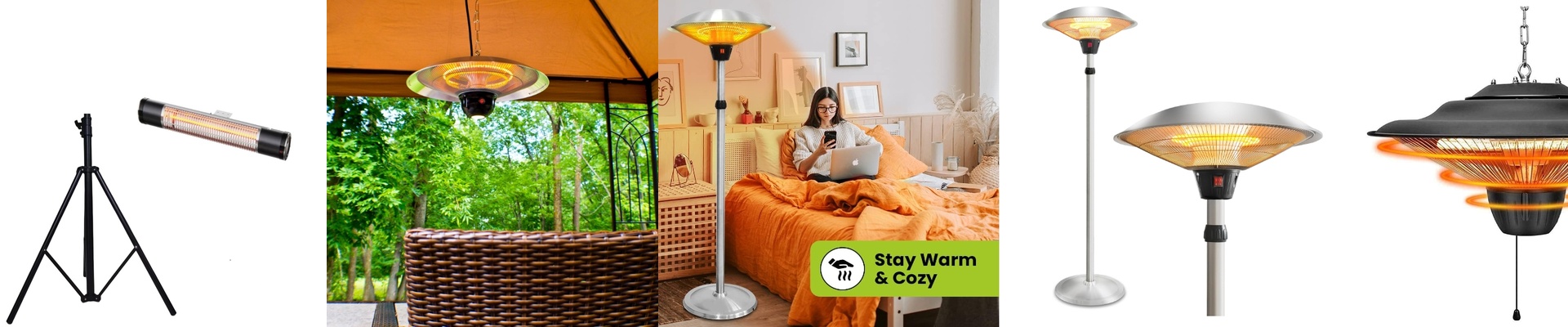
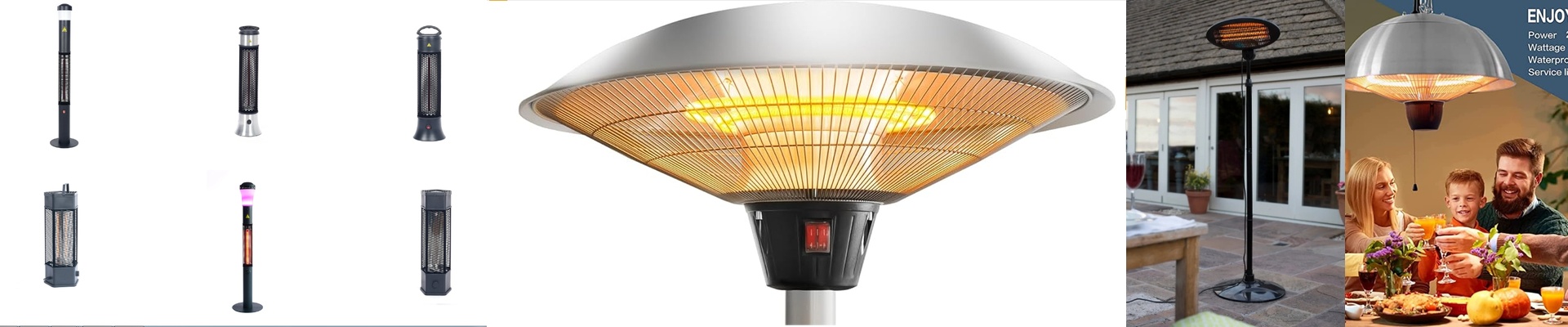
With infrared warmth, you’re starting with a radiant element that heats people and surfaces directly, not the air. We run a high-efficiency quartz tube paired with a reflector array to lay down even, directional warmth across the seating area. No fan inside means no wind noise—just a quiet glow of heat. Control is straightforward through an app that lets you set a target temperature, schedule heating windows, and adjust power levels from your phone. The unit plugs into a standard outlet, pulls 1500W on high, and comes with a built-in thermostat and tip-over protection.
Why this fits a home theater
Home theater is all about control: light, sound, and comfort. Infrared heat warms bodies and seats quickly, so you feel cozy from the first scene without waiting for the room air to catch up. Because it’s radiant, you avoid the drafty up-and-down cycling of forced-air systems, and you don’t get that dry, blowing sensation that tires the eyes. App control keeps the room at the right temperature without interruptions—no getting up to twist a dial, no clicking, no air movement to step on dialogue.
The practical details
Infrared works best when it reaches the people in the room, so placement matters. Point the unit toward the main seating area and keep it at least 3 feet away from any obstructions. This is a radiant heater, not an air heater—room air temperature may rise more slowly than with a fan-forced model. For best results, preheat the room 15–20 minutes before you settle in. Always use the included safety features, and keep the heater clear of curtains or other combustible materials.