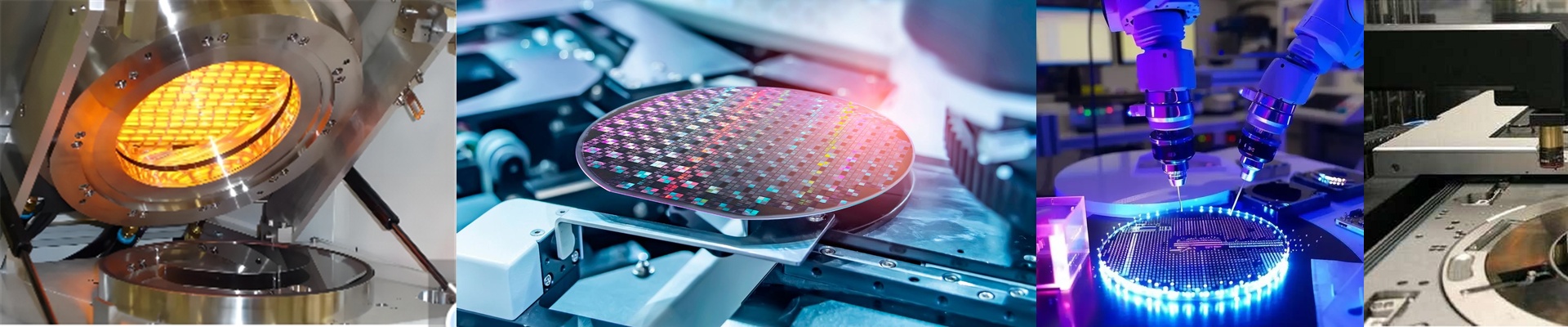


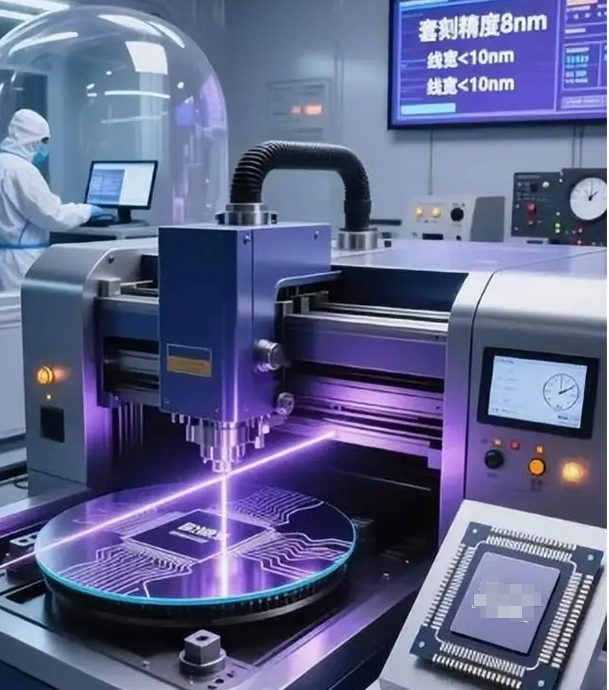
Out on the fab floor, a half-degree drift during soft bake is enough to throw your critical dimensions and scrap a whole lot of wafers. You need heat you can count on—consistent, repeatable, and clean. What matters under the hood We built this PID-controlled semiconductor heater to match the thermal budget of advanced nodes. The closed-loop control keeps platen and hot-plate temperatures within ±0.1°C across the wafer, so your photoresist bake profiles stay tight and repeatable. It’s cleanroom-compatible for Class 1–100 environments, with materials and surface finishes chosen to keep particle counts down. Zero particle generation isn’t a slogan; it’s a design constraint—from the low-outgassing heater element to the sealed thermal interfaces. Why it holds up in lithography In lithography and photoresist processing, uniform temperature translates directly to uniform line-width, better CD control, and fewer reworks. The PID algorithm settles fast, so you don’t get a lot of overshoot after maintenance or recipe changes, and it holds setpoint even when wafer load varies. That means stable performance across both soft bake and hard bake—consistent adhesion and predictable yield. You also save energy, because precise control avoids the waste of over-driving to compensate for drift. A few practical notes The unit fits into existing tool footprints, but the thermal mass is intentionally higher to improve uniformity—plan on a slightly longer warm-up to reach steady state. It also needs a stable supply voltage; line noise can couple into the sensor loop and push you outside that ±0.1°C band. Match the controller configuration to your recipe, and the heater will deliver the repeatability your process is counting on.