
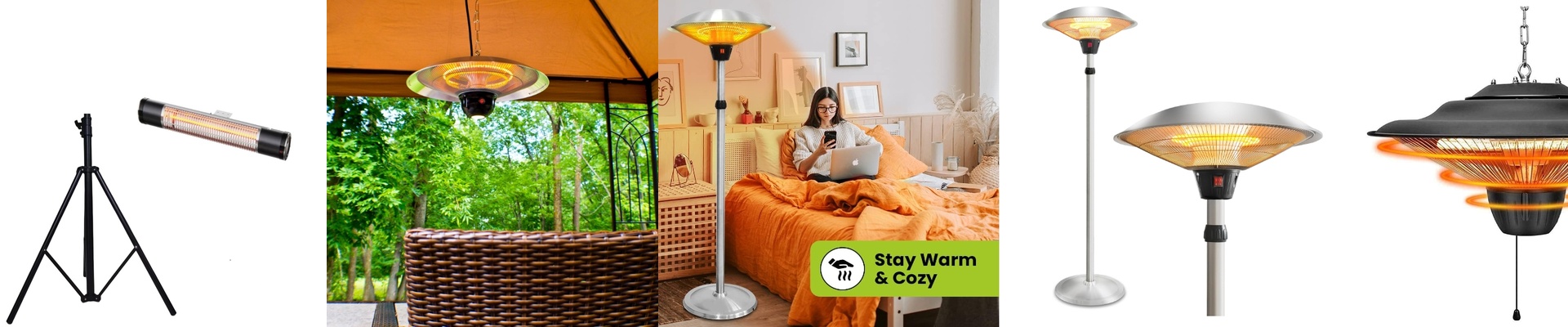


Cold concrete, tools that don’t cooperate, and a garage that fights you the second the temperature dips. When the air bites, productivity stalls and comfort goes out the window. An electric garage heater has to earn its keep—it can’t just push out heat. It needs to warm people and surfaces fast, clean, and without drama. We built this infrared garage heater for that reality, focusing on long-term reliability and materials that lean toward less waste.
What matters under the hood
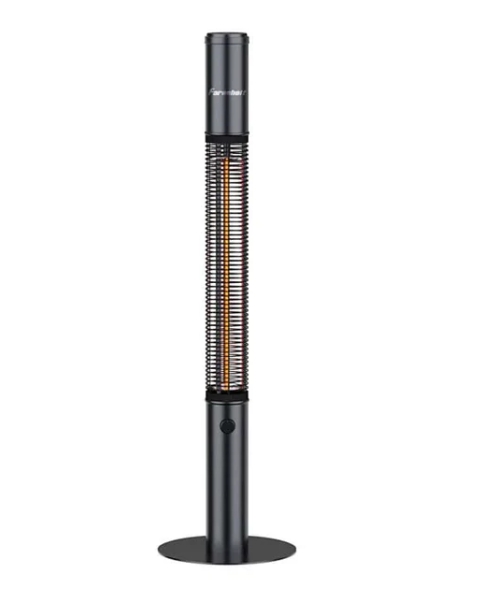
This is an electric infrared garage heater built for actual workspace duty. It delivers radiant warmth that heats objects and the surrounding air without stirring up dust. The core is a carbon fiber heating element inside a sealed quartz tube—chosen for fast heat-up and even output. It runs on standard 120V and draws 1500W, which covers a typical one- to two-car garage with solid coverage. You get an adjustable thermostat and tip-over protection, so you can dial in comfort and keep working without second-guessing safety. The housing uses high-recycled-content materials, and the modular design is serviceable—replace parts, not the whole heater.
Why it fits the garage
In a garage, comfort isn’t a luxury—it’s the difference between finishing the job and fighting your hands and the clock. Infrared warmth hits workbenches, floors, and tools quickly, so you can get to work sooner. Because the heat is directed where you need it, you’re not wasting energy on empty corners. The sealed design matters, too. It resists dust and moisture intrusion, so performance stays consistent even in a space that isn’t climate-controlled. And with durable components and a replaceable element, you keep a reliable heater in rotation for years, not just a season or two.
What you need to know
This electric infrared heater is meant for open or semi-enclosed areas—garages, workshops, utility spaces. Place it to cover your primary work zone and keep clearance from flammable materials. It’s not a whole-home solution, and it won’t make up for poor insulation in very large, drafty buildings. If your garage has a 240V outlet, you may want a higher-wattage model—just check your circuit capacity before you size up. Expect quick warmth, quiet operation, and a heater built to stay in the rotation—not end up in the landfill.