
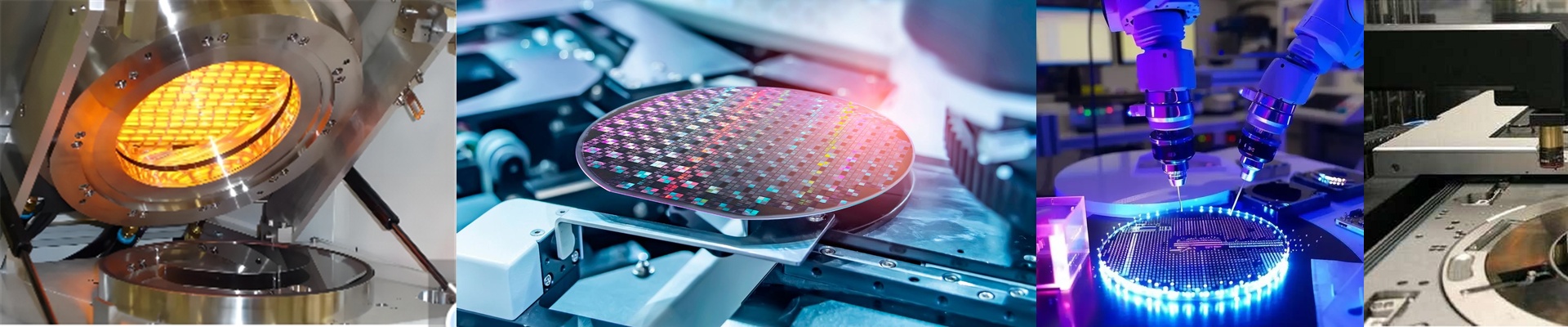

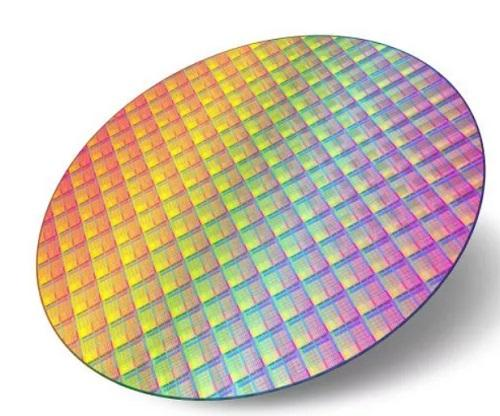
Out on the fab floor, a soft bake that drifts even 1.2°C can turn a photoresist profile that should be in spec into scrap. We built our cleanroom infrared heater to take that variability out of the equation. It’s meant for the realities of semiconductor manufacturing, where thermal budget is fixed and particle counts have to live in the single digits. What actually matters under the hood We run short-wave infrared emitters with fast response and tight spectral control, so we can hold wafer-level uniformity within ±0.1°C across the bake surface. Temperature repeatability stays at that same tolerance, cycle after cycle, which keeps critical dimensions locked during lithography. The design is cleanroom-ready—sealed emitter architecture and low-outgassing materials keep particle counts from climbing, even in Class 1–100 environments. You get 24/7 reliability with no unplanned downtime, and the energy profile is leaner than conventional hotplates because we aren’t heating up a lot of bulk mass. Photoresist processing isn’t about “getting warm.” It’s a precision thermal step. With this heater, we spike the temperature into the film quickly, hold steady through soft bake and hard bake, then ramp down under control. The payoff is consistent solvent removal, stable film thickness, and predictable CD control. And you don’t have to choose between thermal performance and contamination control. Cleanroom compatibility is baked into the approach, so the process window opens up, rework drops, and yield improves—without touching the chemistry or the recipe timing. A few practical notes before you spec it in. Installation comes down to matching the bake chamber geometry and confirming emitter alignment to the wafer path; if you’re retrofitting, expect some minor re-layout. The unit only holds its rated spec when airflow, exhaust, and reflector cleanliness are handled the way the procedure calls for. Plan on a dedicated power circuit, and verify the site voltage tolerance up front. Voltage sag will drift setpoint stability and hurt uniformity. We provide the controller interface mapping so integration is straightforward and repeatable.