


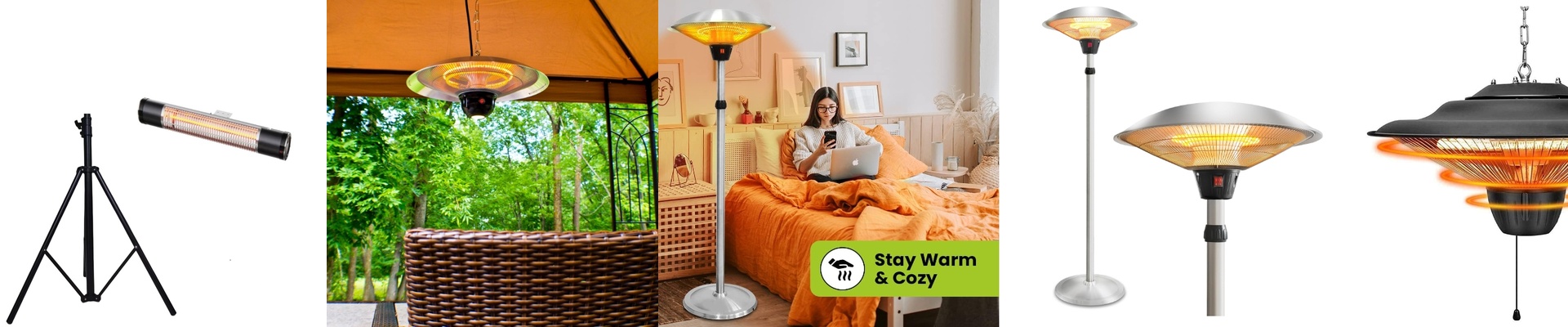
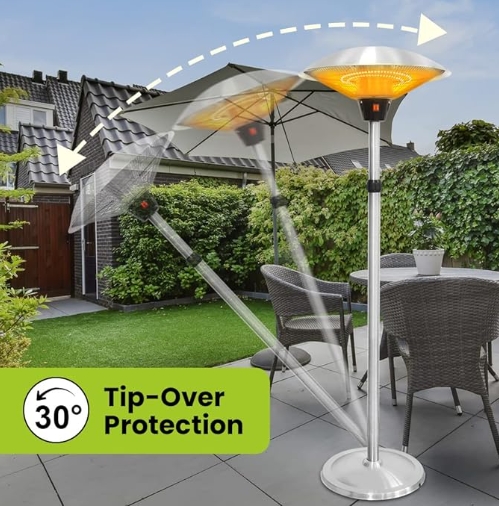
Putting a 1500W infrared heater in your bathroom or out in the gazebo sounds simple, but it’s a bit of a minefield. You’ve got high wattage meeting steam and condensation—two things that absolutely hate each other. If your insulation isn’t spot on, you’re looking at short circuits or ground faults. Not a great way to start your morning. Here is how we actually handle the electrical side of things. First, we focus on keeping the electricity where it belongs. We use high-grade ceramic insulators to separate the heating element from the chassis. Why? Because you don’t want the metal frame of your heater becoming “live” the moment you touch it. Since bathrooms are damp, moisture loves to find a way in. That’s why we use silicone-insulated leads for the internal wiring. They can handle the constant heating and cooling without cracking or giving up. Now, let’s talk about the shell. A basic plastic cover is just for show. You need a real IP65-rated enclosure to actually keep the vapor away from the electronics. We use EPDM gaskets because they don’t warp when things get hot. If those seals fail, condensation builds up on the cold side of the circuit board. That’s usually when the unit just burns out. Safety is the big one. We wire everything with a dedicated earth ground. If something goes wrong inside the unit, the breaker trips instantly. It’s much better to have a flipped switch than a ceiling mount that’s electrified. One last thing to keep in mind: that intense infrared heat can dry out cheap rubber over time. It happens. Make it a habit to check your gaskets once a year. If they feel brittle, swap them out. Once the seal goes, the moisture creeps in and your insulation drops. Also, make sure there’s some breathing room in your ceiling void. If the heat just sits there, it can bake the wiring insulation until it fails.