Why we put our bathroom heaters through hell (before they reach you)
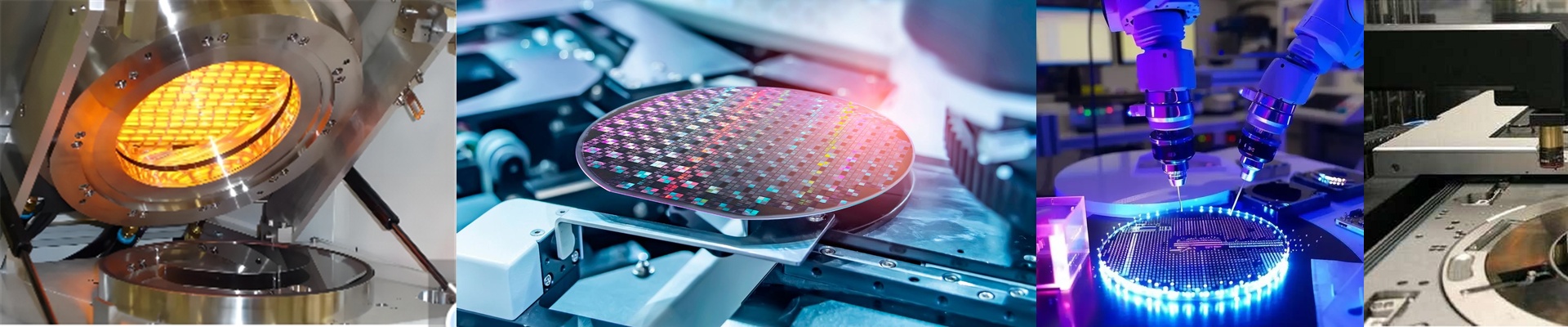
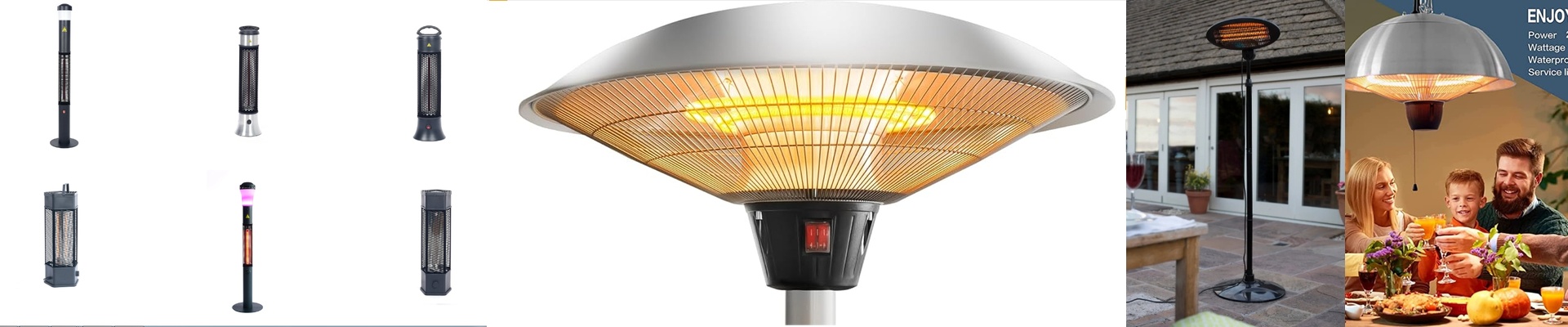
Let’s be honest: bathrooms are a nightmare for electronics. You’ve got thick steam, direct water splashes, and temperatures that swing from freezing to boiling in minutes. It’s the perfect storm for a short circuit. If a seal is slightly off or there’s a tiny, invisible crack in the quartz glass, the lamp is toast. That’s why we don’t just “hope” they work. We put every single batch through wet-heat aging tests to break them on purpose—so they don’t break in your customer’s home. The battle against steam Water vapor is sneaky. It finds the smallest gaps you can’t even see and crawls right into the housing. To fight this, we use aging chambers that basically cram years of bathroom steam into a few weeks. We’re looking for the bad stuff: oxidation on the electrodes or gaskets that are starting to give up. If that seal isn’t airtight, moisture gets into the wiring. Then comes the corrosion. Then comes the failure. We catch it here first. The shock factor Think about it. A quartz heater goes from room temperature to hundreds of degrees in a heartbeat. In a humid room, that creates a massive amount of stress on the materials. We cycle our heaters between extreme dampness and searing heat over and over. It forces any hidden factory flaws to come to the surface. We check for “clouding” on the glass or any tiny fractures in the ceramic. If it can’t handle the shock here, it doesn’t leave the building. The tricky balancing act Here’s the thing: you can’t just seal a heater in a plastic box to keep water out. If we make the seal too tight, the internal electronics can’t breathe. They’ll overheat and trip the thermal fuse. It’s a bit of a tug-of-war. We have to find that sweet spot where the unit is waterproof enough to be safe, but still lets enough heat escape so it doesn’t burn itself out. We don’t guess when it comes to how long these things last. We run the hours, we soak them, and we test the resistance. It’s the only way to make sure the lamp doesn’t pop the second someone steps into a hot shower.