
Infrared vs. Hot Air: Stop Waiting for Your Wafers to Heat Up
I still see a ton of semiconductor lines relying on forced hot air to get their wafers up to temperature. It’s the old-school way of doing things, and honestly? It’s a drag. The problem is the lag. Air is just terrible at moving heat. You end up spending way too much time just sitting there, waiting for the chamber to soak and the wafer to actually hit the temperature you set. It feels like watching paint dry while your production clock is ticking.
The real cost of waiting
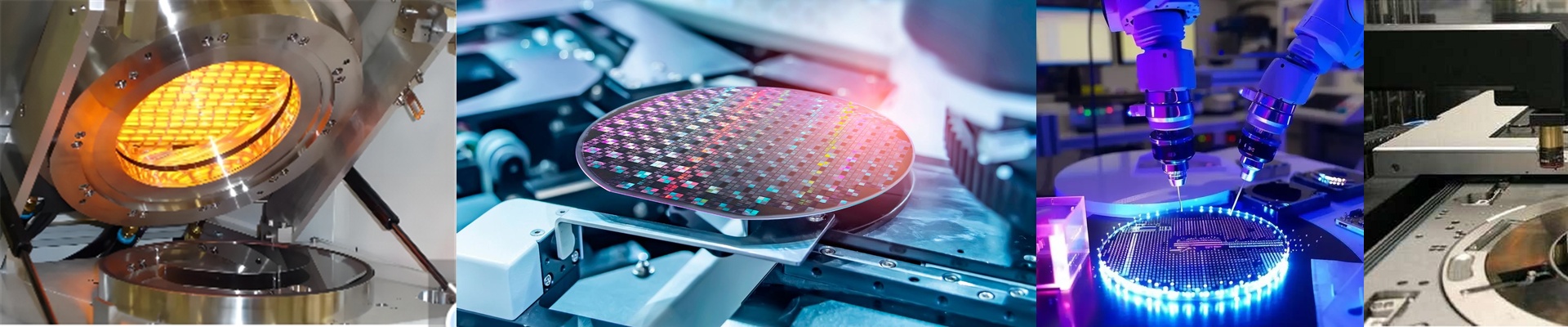
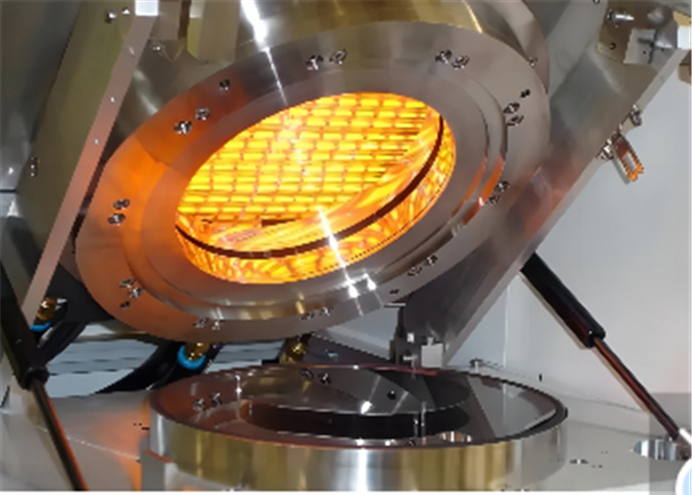
Infrared (IR) heating basically cuts out the middleman. Instead of heating up a giant bubble of air just to get that heat into the silicon, IR beams energy directly into the wafer. It happens at the speed of light. When you’re deep in processing, this is where you win. Your ramp-up times go from minutes to seconds. You aren’t fighting the “thermal weight” of a massive volume of air anymore. For you, that means the time cost per batch shrinks, and you can actually push more wafers through the line every single shift.
It’s not all magic, though
Now, IR isn’t a perfect fix for everything. It packs a punch, and that intensity can be a double-edged sword. While hot air wraps the wafer in a nice, uniform blanket, IR can create hot spots if your lamps aren’t positioned just right. You’ve got to be really careful with the geometry—lamp placement and distance are everything here. If you get it wrong, you risk warping the wafer. We usually go with shortwave IR because it hits the surface faster. But a heads-up: those high-wattage lamps pull a lot of power. Make sure your electrical panels can handle that initial surge when the system kicks in, or you’ll be dealing with a different kind of headache.
Making the switch
Moving from air to IR isn’t as simple as just swapping out a heater. You’ll need to tweak your PID controllers. Since IR responds almost instantly, those old settings you used for a slow-moving air oven will cause the system to overshoot your target temperature. It’s too fast for the old logic. You’ll also want to recalibrate your sensors. Stop tracking the air around the wafer and start tracking the surface of the wafer itself. Once you’ve got the wiring and the tuning sorted, you end up with a smaller footprint and a much faster cycle. It just feels leaner.