


A Better Way to Heat Hydrogen Sensors
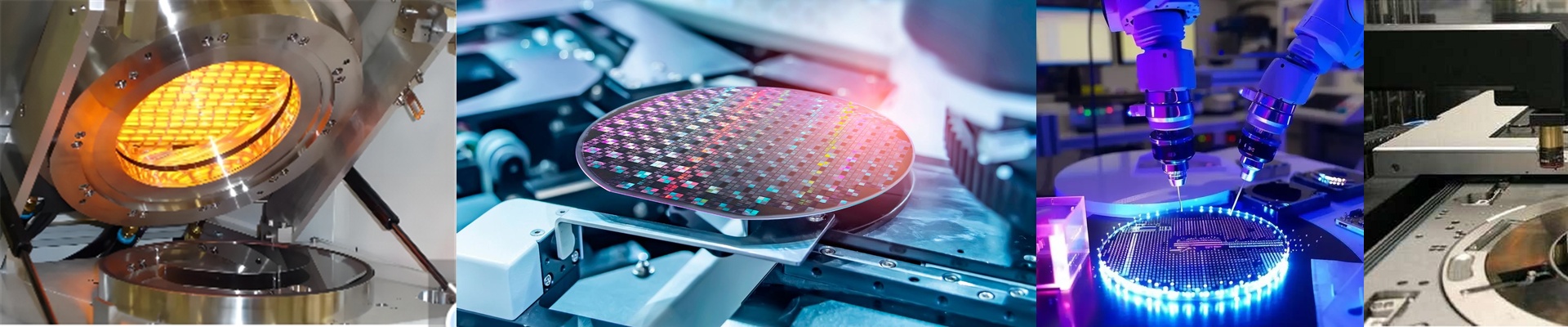
When you’re making hydrogen sensors, the heat is everything. If your thermal profile is off, your catalyst won’t activate or your membrane will just give up. For a long time, we relied on those big resistive ovens, but they’re basically giant space heaters that waste a ton of energy. That’s why we switched to Shortwave Infrared (SWIR) lamps. Instead of heating up a massive volume of air just to reach the sensor, we go straight for the target. It’s a much cleaner way to work, and it kills the wasted carbon footprint in one go. The speed is the best part. We use high-wattage quartz elements that focus energy into a tight spot. Instead of waiting minutes for an oven to warm up, these lamps hit the target temperature in seconds. It’s fast. Really fast. And that changes your whole workflow. You get more wafers through the line, but you’re actually using fewer kilowatt-hours per unit. It’s a win-win for the budget and the planet. Getting the details right We’re picky about the materials. We use high-purity quartz envelopes because the last thing you want is contamination on a sensor surface. Plus, the halogen cycle keeps the filaments from burning out, even when you’re cycling them on and off all day. Here is the real secret: wavelength control. We tune the light to match exactly how the sensor substrate absorbs heat. The heat goes right into the material. It doesn’t bleed into the machine chassis or heat up the room. The “Catch” (and how to handle it) Now, these are designed to be drop-in replacements for old heating blocks. You can wire them right into your current control logic. But you have to be careful. Because IR lamps create such intense, localized heat, they can be aggressive. If your cooling fans or heat sinks aren’t up to the task, you might warp your sensor housing or fry some nearby electronics. You’ve got to make sure your cooling can keep up with the intensity. At the end of the day, it just makes sense. We’ve seen a real drop in CO2 emissions because we stopped heating the entire factory floor just to cure a few sensors. It’s just smarter engineering.