
Why your bathroom needs more than just a basic heater
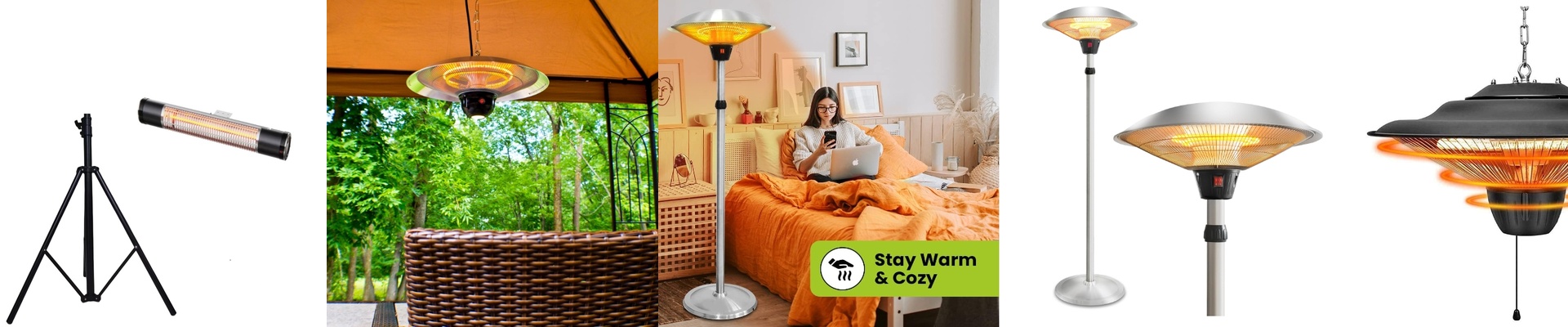
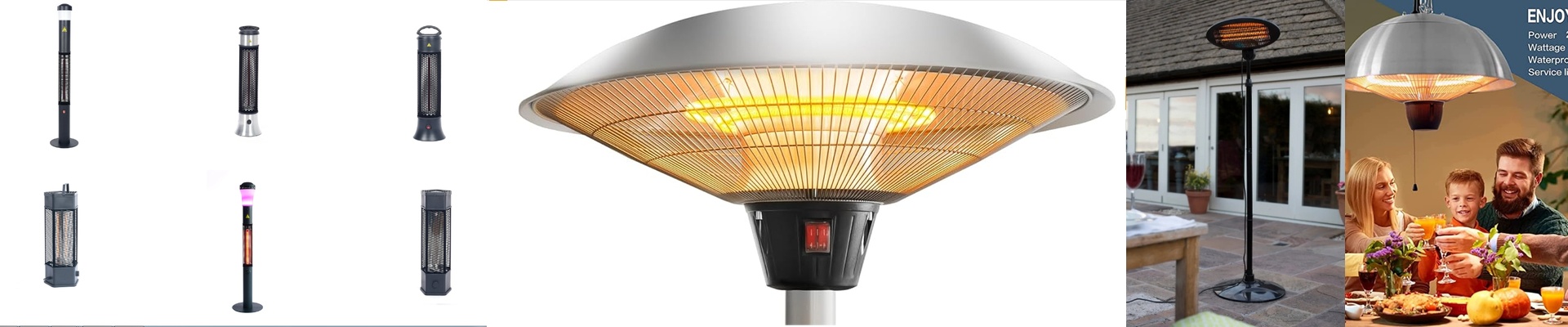
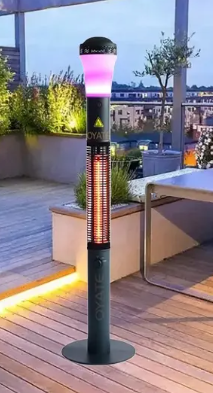
Most people buy a bathroom heater for one reason: they don’t want to shiver the second they step out of the shower. I get it. But if you look at it from a technical side, a good infrared (IR) lamp does way more than just keep you warm. It’s actually about controlling the room. When we talk about using an IP65-rated infrared heater, we aren’t just fighting a chill. We’re fighting the damp.
Stopping mold before it starts
Here is the thing about mold. It loves those stagnant, soggy corners where the walls stay cold. Most heaters just warm up the air, which can actually push moisture deeper into your walls. Infrared is different. It doesn’t bother with the air first. Instead, it sends out radiation that hits your tiles and grout directly. By warming up the actual surfaces, the water can’t settle. No condensation means no dampness. And no dampness means mold spores have nowhere to live. It’s basically a way to dry out your room without even thinking about it.
The “Waterproof” part
We build these things to IP65 standards for a simple reason: bathrooms are wet. Steam and splashes will fry a normal heating element in no time. The seal on these units keeps the wiring and the quartz glass tube safe and dry. But you have to get the power right. If you put a massive heater in a tiny stall, you’ll feel like you’re in an oven. Too little power, though, and your walls stay cold and clammy. It’s a bit of a balancing act. Higher wattage clears the moisture faster, but you’ll want to make sure your circuits can handle the load so you aren’t tripping breakers every time you take a bath.
Where to put them
If you’re installing these, put them in the “cold zones.” You know the ones—those far corners where the ventilation fan doesn’t quite reach. Once they’re wired in, the heat hits the wet surfaces immediately. The water evaporates fast, and you don’t have to crank the heat up until the whole room is sweltering. It just keeps the air healthy and the walls dry. Simple as that.