
Stop the Glass Shards: Keeping Your Bio-Sensor Line Running
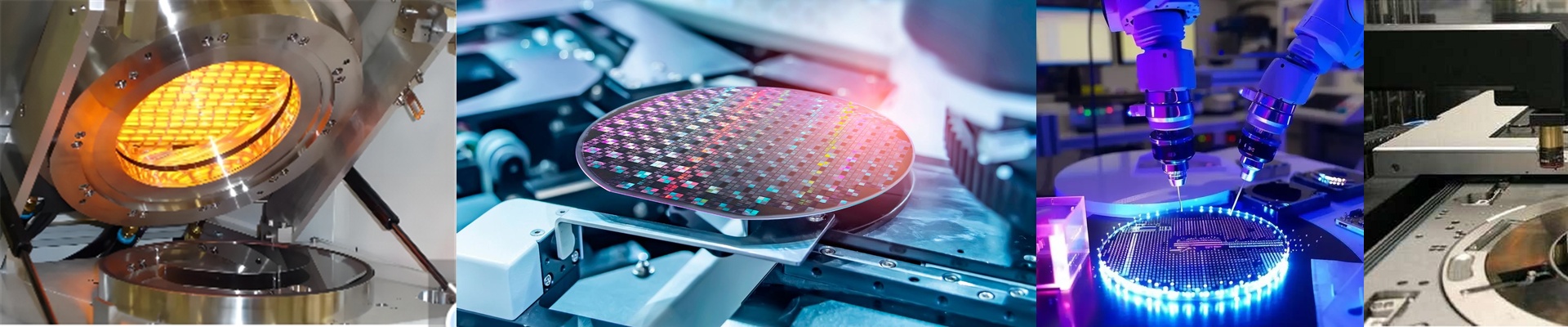
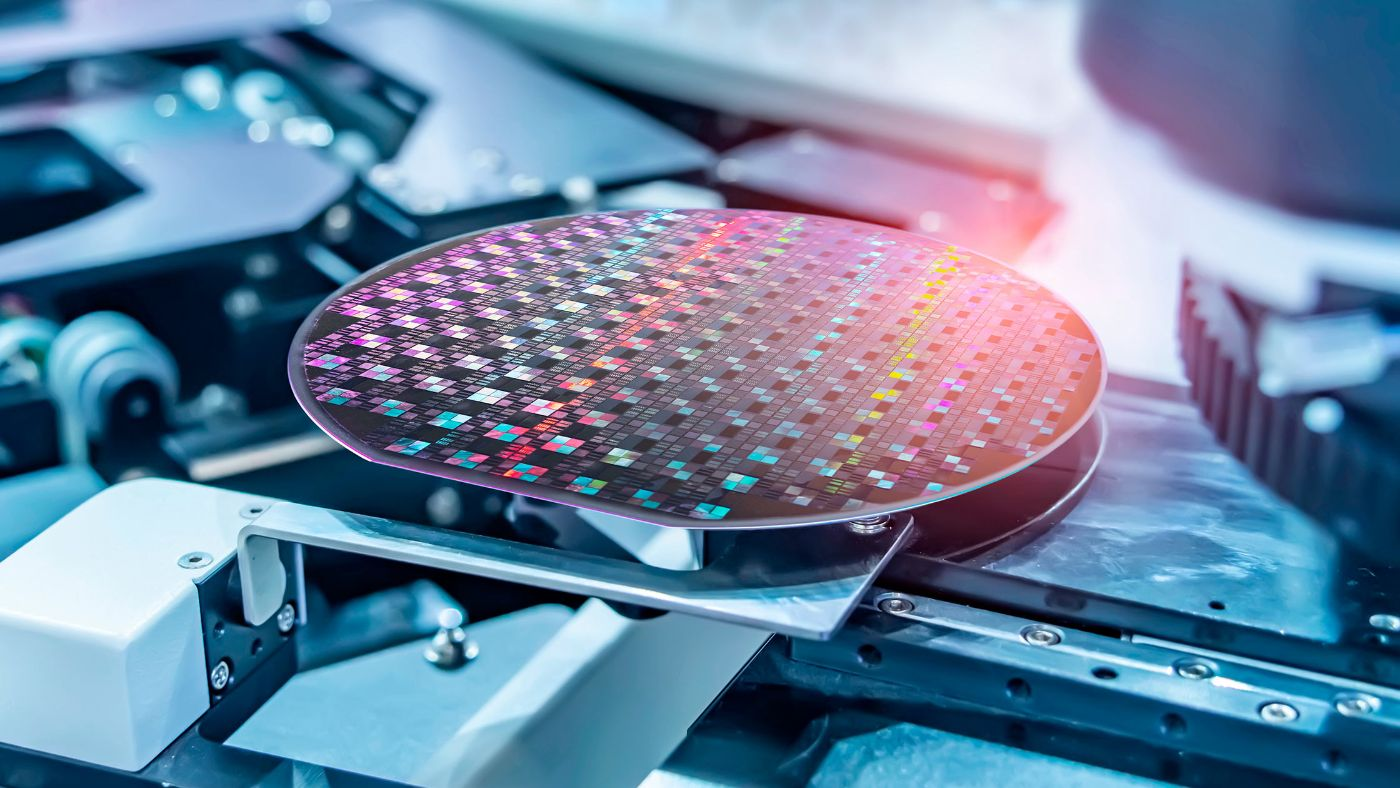
Let’s be honest: there is nothing worse than watching an entire batch of wafers go down the drain because one single lamp decided to give up. When a quartz tube pops during a high-load run, it’s not just a “down-time” issue. It’s a mess. You get glass shards and metallic bits raining down on your substrates, and suddenly your day is ruined. We built our infrared lamps specifically to make sure that nightmare doesn’t happen. Why do these tubes actually break? Usually, it comes down to thermal shock or those annoying little hotspots. To fight this, we use high-purity fused quartz. It has a really low thermal expansion rate, which is just a fancy way of saying it can take a beating. You can cycle the power up and down rapidly, and the glass won’t just crack. We also spent a lot of time obsessing over the wall thickness. It’s a balancing act. If it’s too thin, the tube pops. If it’s too thick, you lose the heat you’re paying for. We found the sweet spot where it’s tough enough to last but still lets the IR energy through. Keeping the junk out We don’t just hope for the best; we build in a safety net. Our lamps have reinforced end-caps and seals that keep the filament from oxidizing. Even if a tube does fail, the design keeps the internal guts from spraying everywhere. If you want some extra peace of mind, go with a sacrificial quartz shield. Yeah, you’ll lose a tiny bit of heat. But in exchange? You get a physical barrier between your heat source and your sensors. It’s a small price to pay to know your wafers aren’t touching broken glass. A few tips for the setup These lamps put out a lot of heat, so you’ve got to treat them right. First, double-check your PID controllers. You want to avoid those sudden voltage spikes—they stress the filament and kill the lamp’s lifespan. Also, keep an eye on your airflow. If your cooling fans aren’t doing their job and the housing gets too hot, the lamp is going to burn out way faster than it should. And for heaven’s sake, use a stable power supply. Flickering isn’t just annoying; it leads to uneven curing and puts unnecessary stress on the tube.