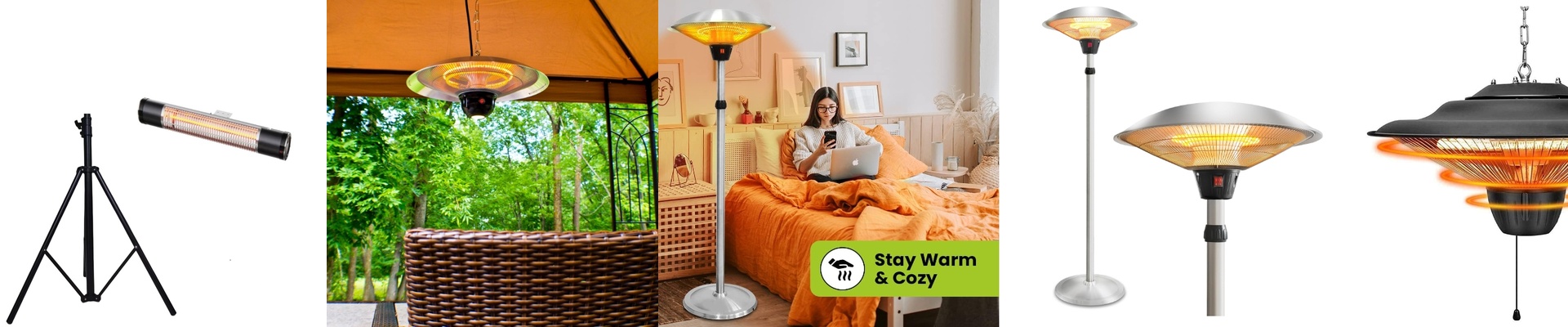


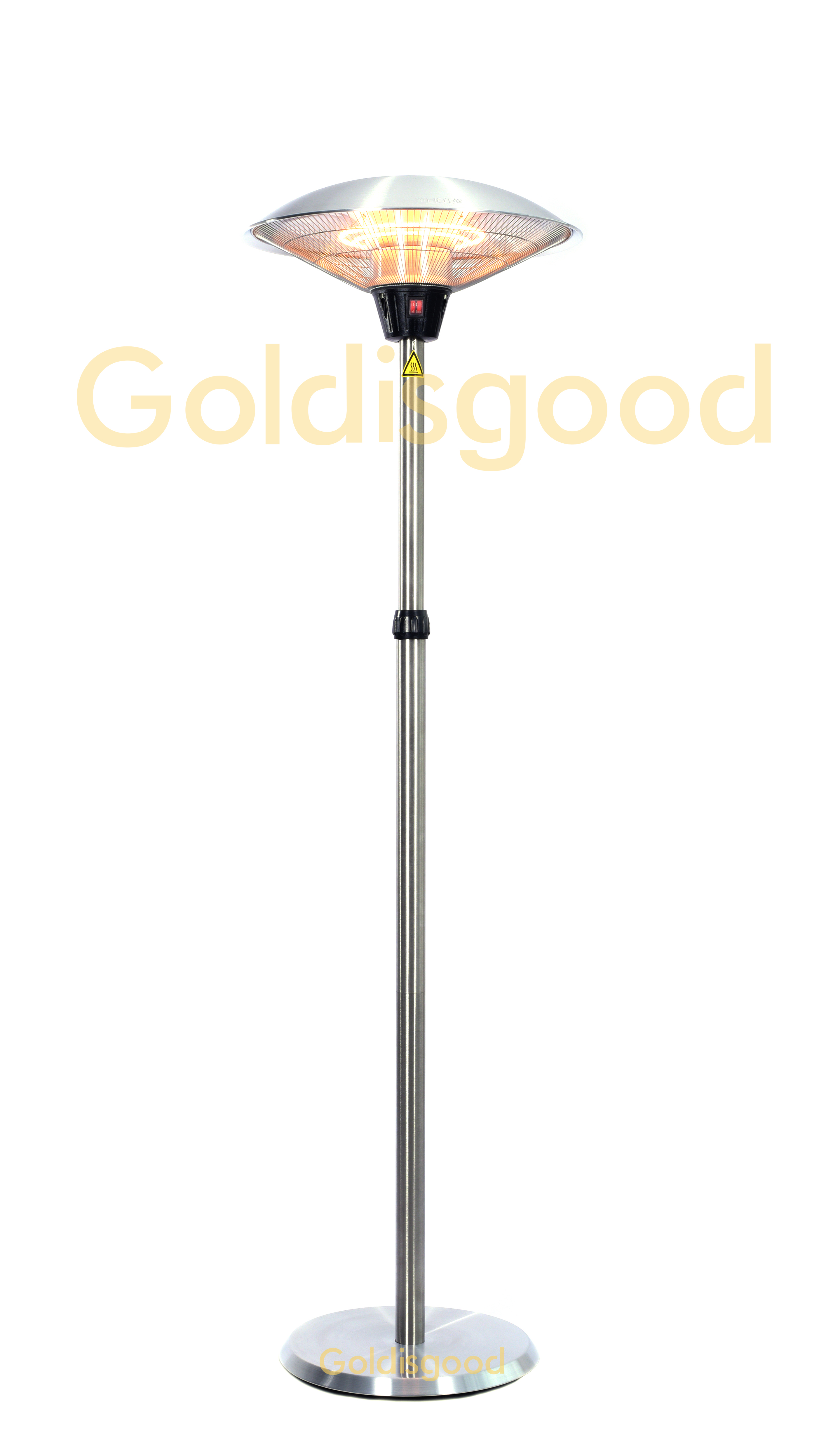
On a workshop floor, cold isn’t just uncomfortable. It slows hands, thickens oils, and drags out project time. When a heater starts to falter, you don’t just lose warmth—you lose momentum, and you put safety on the line. That’s why the wiring detail matters more than most buyers give it credit. What actually matters under the hood Infrared workshop heaters deliver radiant heat, warming people and work surfaces directly instead of trying to fight drafts. Inside, the element—typically a quartz tube or carbon fiber—runs hot, and the lead wires feeding it live in that heat. We use a lead-seal termination: conductors are crimped, then potted and sealed so air, dust, and moisture can’t reach the joint. The payoff is measurable. On continuous high-temperature runs, we see far fewer insulation stress points, far fewer cold joints, and a meaningful drop in the resistance shifts that show up as intermittent operation. The upshot is consistent output and fewer callbacks. Why this holds up in a workshop Workshops are rough on equipment. Doors swing, floors get washed, and gear cycles on and off. A heater that survives this environment needs real electrical integrity, not just a stout element. With sealed leads, you get dependable starts on cold mornings, steady performance through long sessions, and less worry about shorts that can shut a job down. You also get the kind of infrared warmth that makes precision work easier—steady hands, clearer focus, and a space that stays usable even when the outdoor temperature drops. A few field-tested pointers Even with sealed wiring, placement still matters. Keep the heater away from flammable materials and maintain the required clearances for airflow. Match the unit to your space—undersized heating won’t keep up, and oversized heating can overshoot comfort. Plan the mounting and power route before you run the cable. Once the heater is installed, getting to the junction is tighter. Done right, the heat becomes something you only notice because the workshop keeps moving.