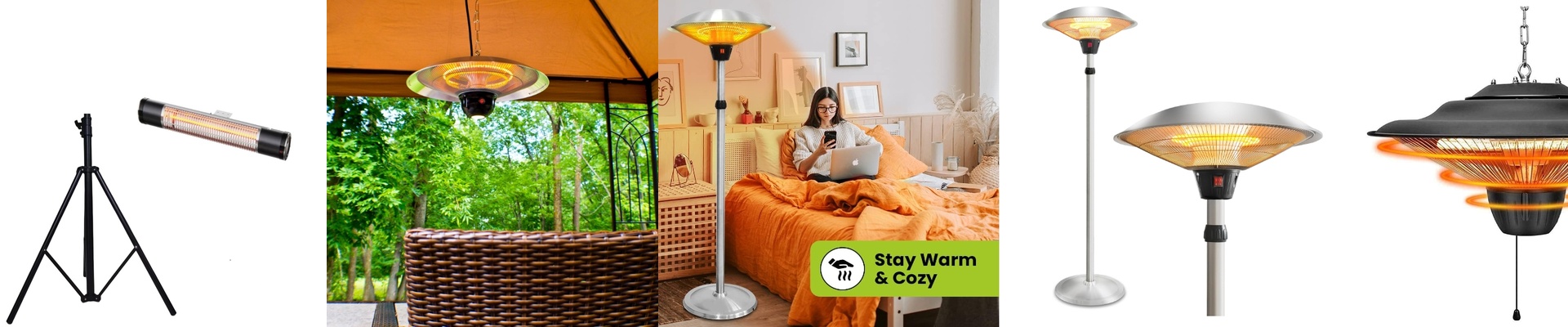


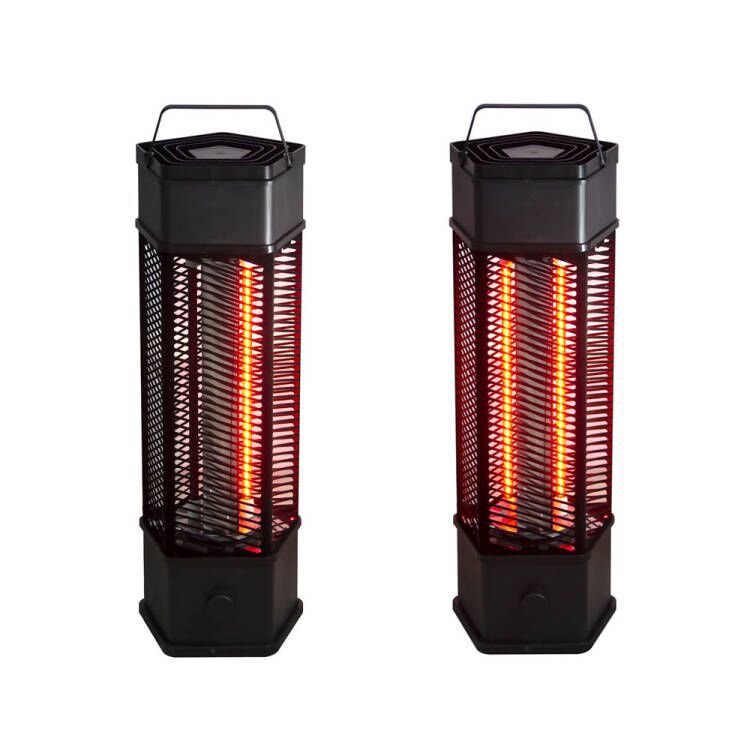
On a cold evening, the problem isn’t just feeling chilly—it’s the way the air sits dead and still while your hands and feet stay stubbornly cold, even when the thermostat says “warm enough.” Traditional heaters warm the air. Infrared electric heaters warm you.
What matters under the hood
We build our infrared electric heaters around a high-efficiency carbon fiber or quartz emitter that delivers short-wave infrared warmth. That energy travels outward and gets absorbed directly by people, furniture, and surfaces—not by the air. The payoff is a steady, directional heat that feels even, without the drafty swings you get from a fan-forced unit. Output is matched to home circuits, typically 120V–240V depending on the model. The core element is engineered for long duty cycles, and many units deliver thousands of hours before you see any noticeable drop in output.
Why this feels right
Infrared warmth supports a more natural kind of comfort. Because the heat penetrates superficial layers, it helps encourage circulation in the spots that tend to lag when you’re relying on ambient air—hands, feet, shoulders. That matters when you’re reading, working from home, or just trying to relax without constantly chasing the thermostat. The experience is quiet and immediate: warmth arrives where you feel it, without blowing air that dries skin or kicks up dust.
The practical details—what I watch for
Infrared electric heaters shine when they’re placed for direct coverage—think near a reading chair or under an outdoor ceiling—not as the sole heat source for a large, open space. They also need a dedicated circuit to run steadily. The emitter area gets hot, so clearances matter. Keep it away from curtains and furnishings. Choose a model with a safety tip-over switch and an IP rating matched to the setting, and you end up with warmth that’s easy to live with—and easy to trust.