
Stop Lamp Bursts from Ruining Your Wafers
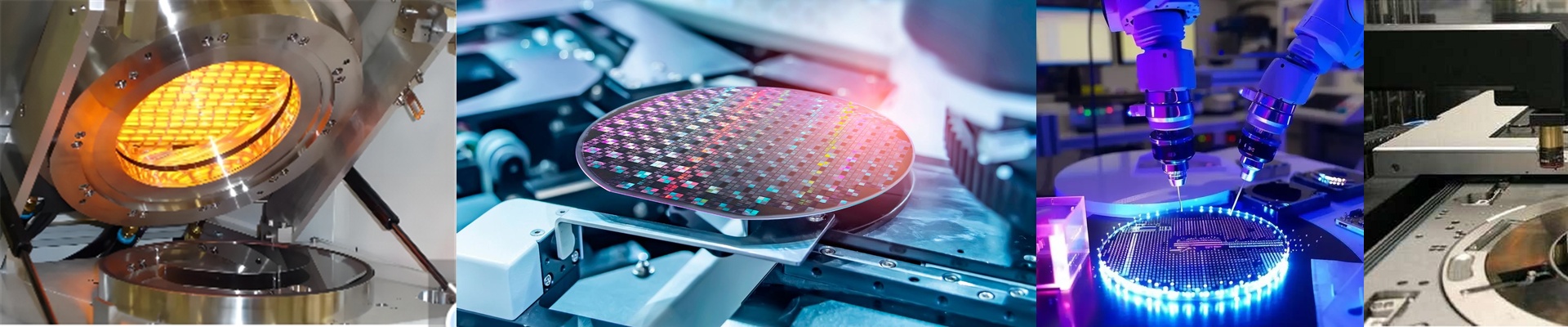
In a semiconductor rinse station, a lamp bursting is more than just a headache or some lost uptime. It’s a nightmare. When a quartz tube snaps under a heavy load, you’ve got glass shards and tungsten filaments raining down right onto your wafers. That’s how you kill a whole batch. We built our waterproof IR lamps specifically to make sure that never happens.
Why they break in the first place
Rinse environments are honestly brutal. You’ve got high-wattage heat sources sitting just inches away from water spray. The temperature swings are wild. If a single stray droplet hits a searing hot quartz tube, it can crack instantly. To stop that, we wrapped the element in a specialized waterproof jacket with sealed end-caps. It keeps the water and the heat from ever actually touching.
Keeping the mess inside
We didn’t just seal the ends and call it a day. We focused on containment. Here’s the deal: if a filament burns out or the inner tube fractures, the outer protective sleeve catches everything. The debris stays trapped. You don’t have to worry about tiny glass particles migrating into your wafers. And since we use high-purity materials for that sleeve, the heat still gets through. You get the density you need without messing with the chemistry of your rinse.
The honest trade-offs
Look, nothing is perfect. Adding that protective layer does create a bit of thermal lag. You’ll notice it takes a tiny bit longer to warm up than a bare tube would. You’ll just need to tweak your PID tuning to keep those surface temperatures exactly where they need to be. One more thing—keep an eye on your seals. We suggest checking them every 500 hours. Once a seal starts to go, moisture creeps in, and you’re right back to square one with the risk of thermal shock. Also, stick with high-temp leads for your wiring so your connectors don’t melt when things get hot.