
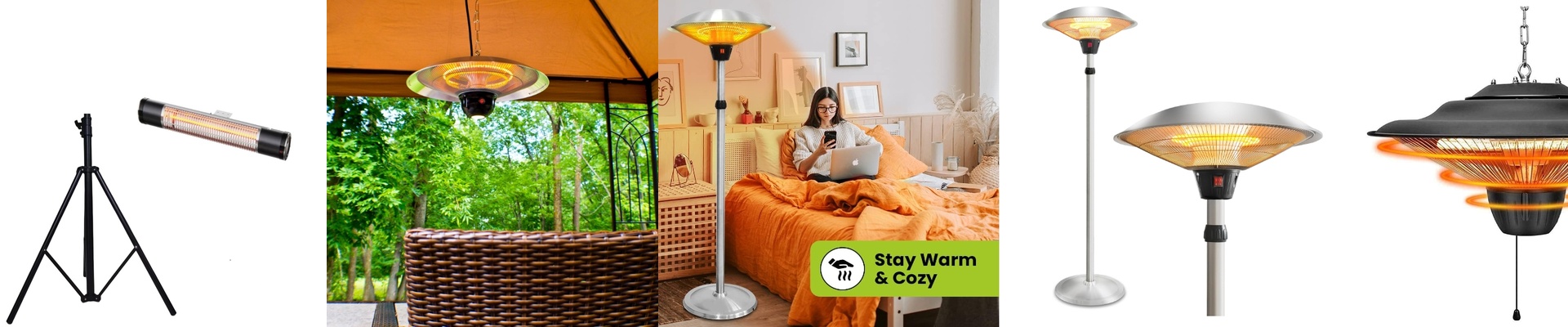

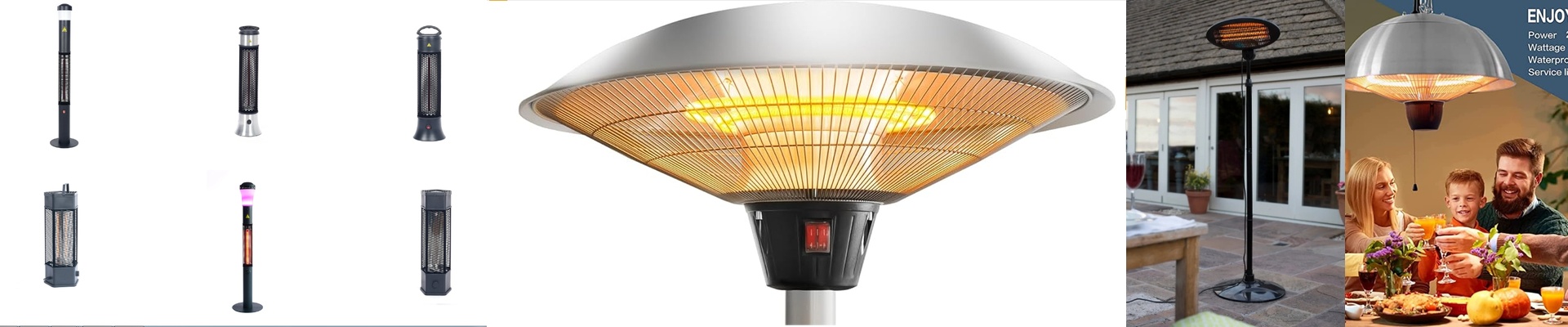
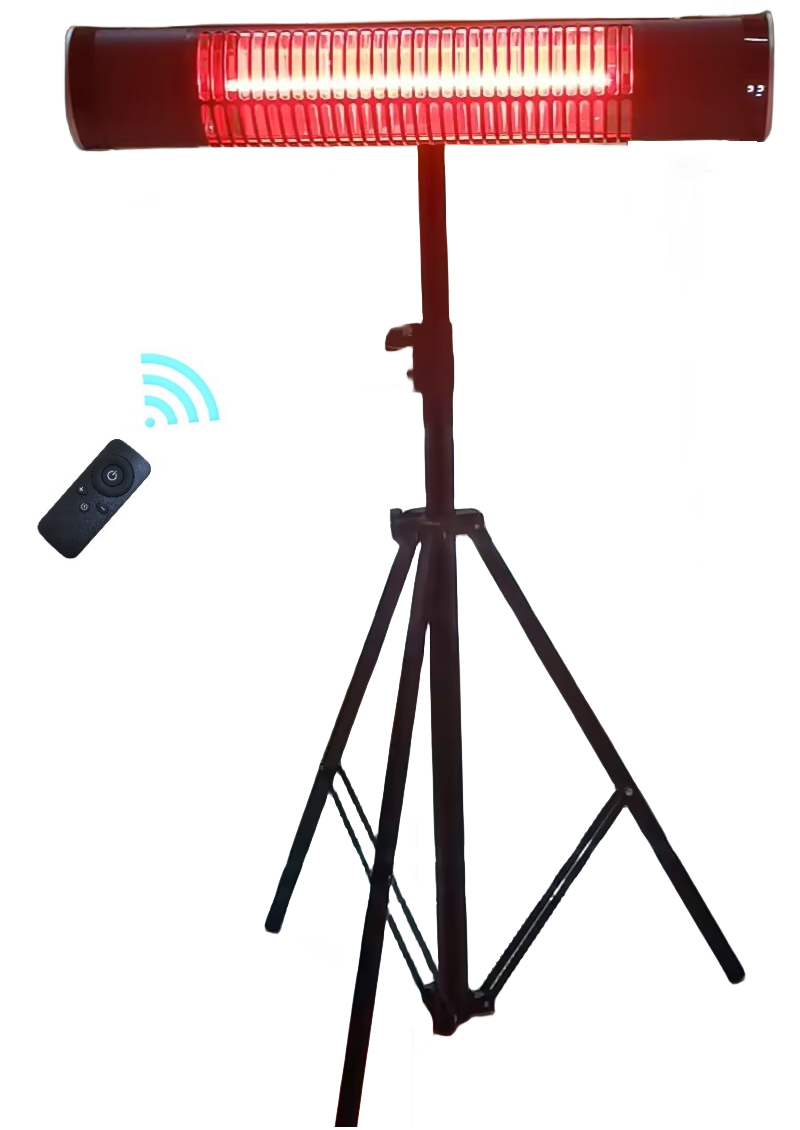
If you deal with allergies, winter heating can feel like you’re swapping one problem for another. Forced-air systems churn up dust and strip the moisture from the air, leaving sinuses irritated and the whole room feeling harsh. The issue isn’t just getting warm—it’s getting clean warmth.
What’s actually going on under the hood
A 3D flame fireplace heater leans on infrared radiant heat. It warms people and objects directly, not the air around them. In our build, the heating element delivers gentle, directional warmth that doesn’t need a fan to move heat around. That means fewer airborne particles getting kicked up every time the heater cycles on, and the humidity level in the room stays more stable. The 3D flame effect comes from a realistic flame bed and reflective backing, so you get the visual comfort of a fire without the smoke, soot, or open combustion.
Why this approach makes sense for allergy homes
In a house where allergies call the shots, this changes how a room feels. Without constant air movement, you don’t get the same stirring of dust and pollen, and you don’t get that bone-dry feeling that makes throats and eyes raw. The warmth arrives quickly and settles evenly, so you can keep the room steady without the heater over-cycling. For allergy-prone households, that tends to mean fewer flare-ups tied to heating season—just quiet, even heat that makes breathing easier.
The practical details you need
Infrared heating works best when it has a clear line of sight to the people it’s warming, so placement matters. Aim it in open living areas, bedrooms, or covered outdoor rooms where the heater can face the seating area straight on. Also, infrared heaters don’t dry the air the way forced-air systems do, but any electric heater still needs proper clearance and a dedicated outlet. Follow the spacing guidance, and don’t run it off an extension cord. If you want the cozy look plus the health benefits, point the heater toward the main seating spot and let the radiant warmth do the work.