
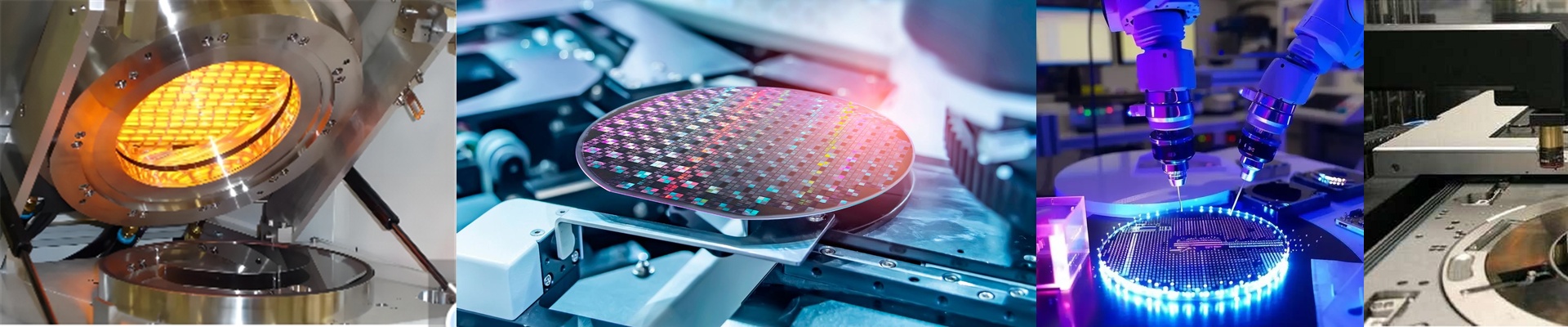
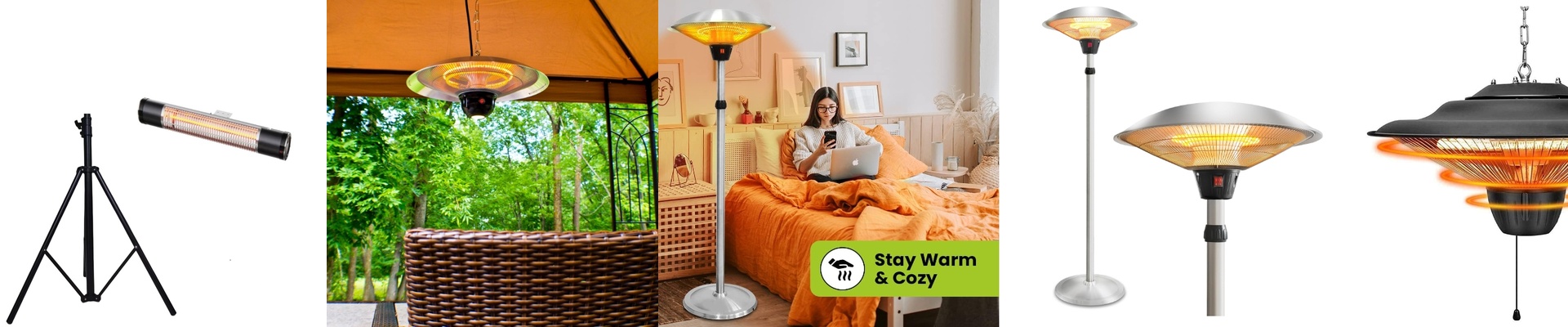
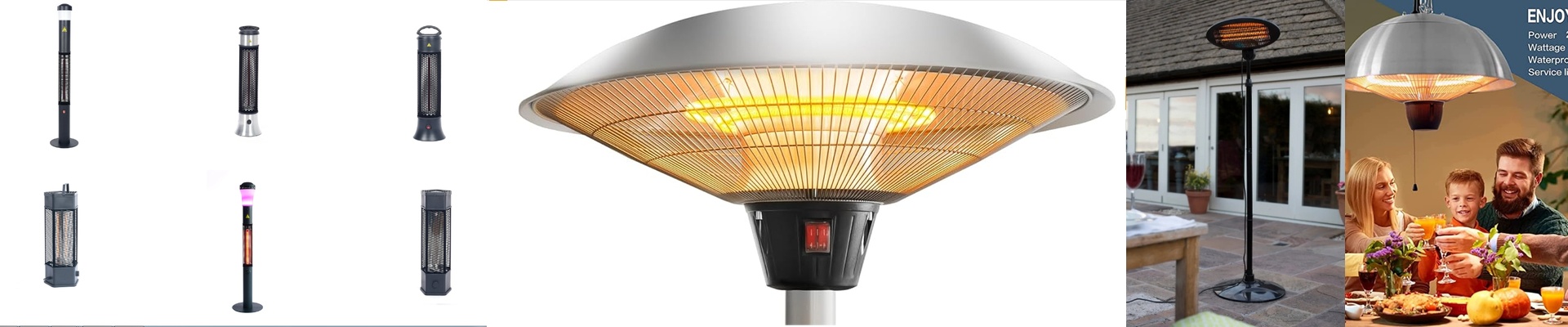
Why we use IR lamps in the cleanroom
When it comes to drying and curing on a cleanroom bench, traditional convection ovens usually just don’t cut it. Especially now that everyone is moving toward “lead-free” and “green” standards. It’s not just about switching out the chemicals; it’s about how you actually get the heat into the part.
IR vs. Hot Air
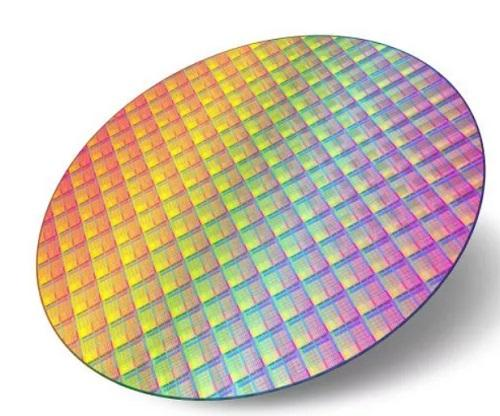
Think about a standard oven. You’re basically heating up a big box of air and a bunch of metal walls before your wafer even feels a thing. It’s a waste of time and power. IR lamps are different. They use radiant heating, which means the energy goes straight to the substrate. It completely skips the air. No massive blowers, no heavy-duty insulation, and a much smaller energy bill.
Dealing with Lead-Free Stuff
Lead-free solders and adhesives are picky. They need higher temperatures and a very specific heat profile to work. If you go too hot? You warp the board. Too cold? You get those annoying cold joints. With IR, we can hit those peak temperatures in seconds. We can pulse the power or zone the heat, so we get the “soak” we need without accidentally frying the components sitting right next to the joint.
Making it work in a cleanroom
We keep these lamps lean. Since there are no fans blowing air around, you don’t have to worry about dust and particles dancing across your wafers. It’s just… quiet. But here’s the catch: high-intensity IR creates a lot of localized heat. If you’re running high-wattage tubes for a long time, you can’t just wing it. You need a solid heat sink or some active cooling for the housing. Otherwise, you’ll end up baking your own electronics. For us, IR is the way to go for green drying. There are no VOC emissions from heating elements and the ramp-up time is basically zero. You flip the switch, it’s hot, and you’re curing. No more sitting around for an hour waiting for an oven to warm up.