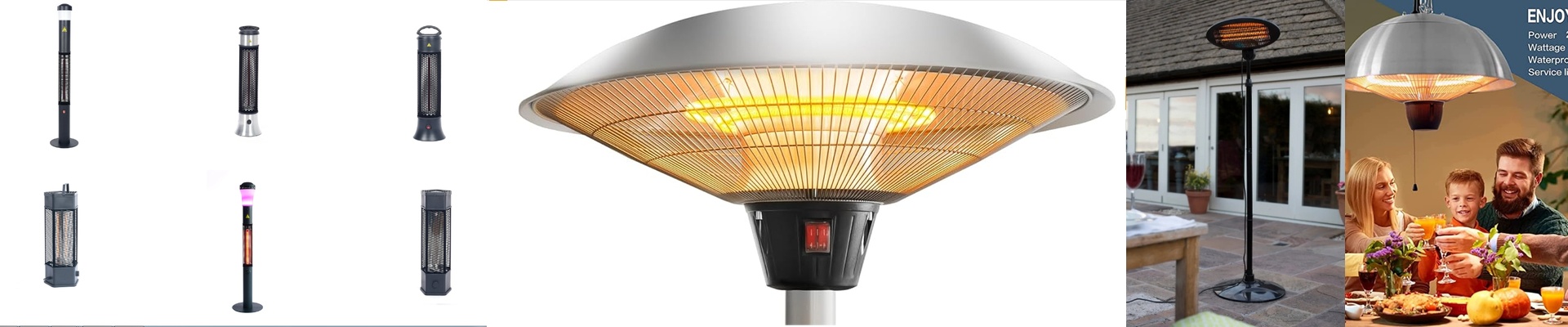
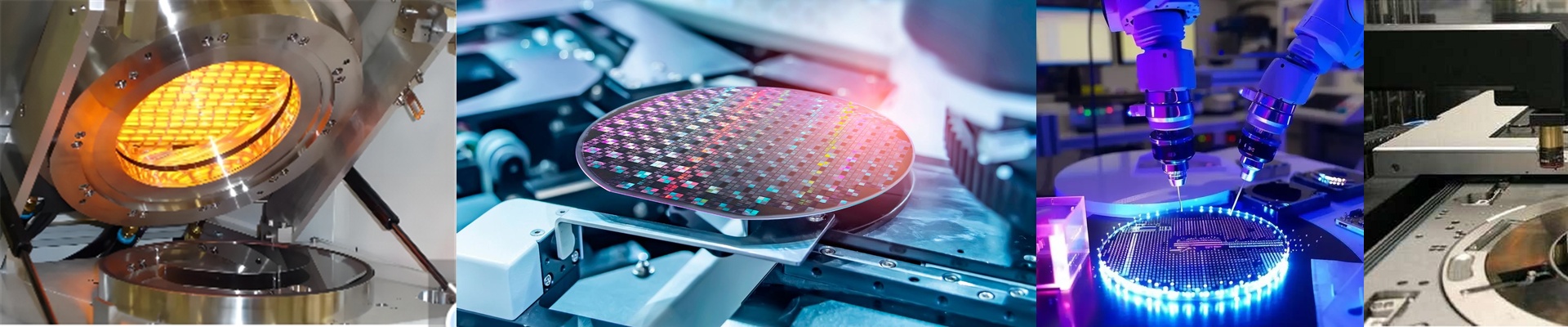
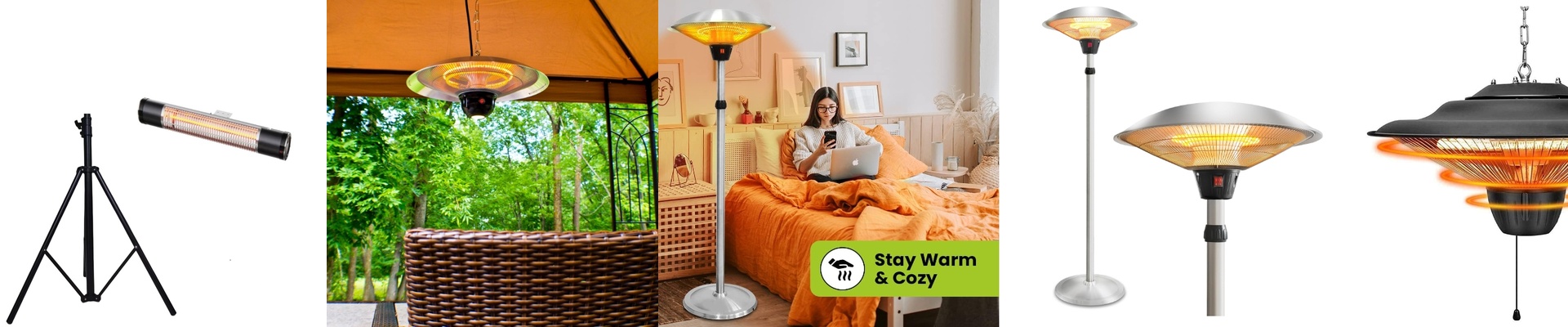

Halogen heater bulbs are small, tough, and built for one thing: getting hot, fast. They’re the kind of heat source you want when you need intense infrared power in a tight spot—like in industrial work where every second counts and space is at a premium. The best part? No waiting around. You flip them on, and they deliver heat immediately. No lag. No warm-up time. Just instant power, so your production cycles keep moving without pause.
Power, voltage, and fit: the practical stuff
These bulbs are designed to slip right into existing reflector setups. The typical tube is about 300mm long and 10mm in diameter—just enough to fit where you need it. Power runs from 500W up to 2500W, and you can choose voltages that match your plant: 110V, 220V, 230V, or 400V. Just remember: more wattage at the same voltage means more current. So you’ll want to make sure your wiring and terminals are ready for it. **Here’s a smart move:**If you go with a 400V version, you get the same power with less current. That makes wiring easier and puts less strain on your connections.
Why the details actually matter
The tube is quartz, and that’s intentional. Quartz handles rapid temperature shifts without cracking, and it lets infrared energy through consistently. Inside, the halogen cycle keeps the filament clean—even at scorching temps. That means a longer life and steady output, shift after shift. Coatings are applied to fine-tune the kind of heat you get, matching it to what your material absorbs best. And the R7s connector? It holds the tube firmly in place, keeps it aligned, and gives you a solid electrical connection. No wiggle, no worry.
Where they shine—and what to watch for
You’ll see these bulbs hard at work in PET blowing, plastic welding, curing, and packaging sealing. The heat is focused, so it fits neatly into small zones. And because it responds instantly, you can time everything with precision. But here’s the trade-off: these bulbs are dense. A short, high-wattage bulb throws off serious heat in one concentrated spot. That means your machine needs proper cooling and shielding—for the components and for the people working nearby. Safety isn’t optional. It’s part of the design.