
Electric Blow Heaters: The Secret to Fast, Precise Blow Molding
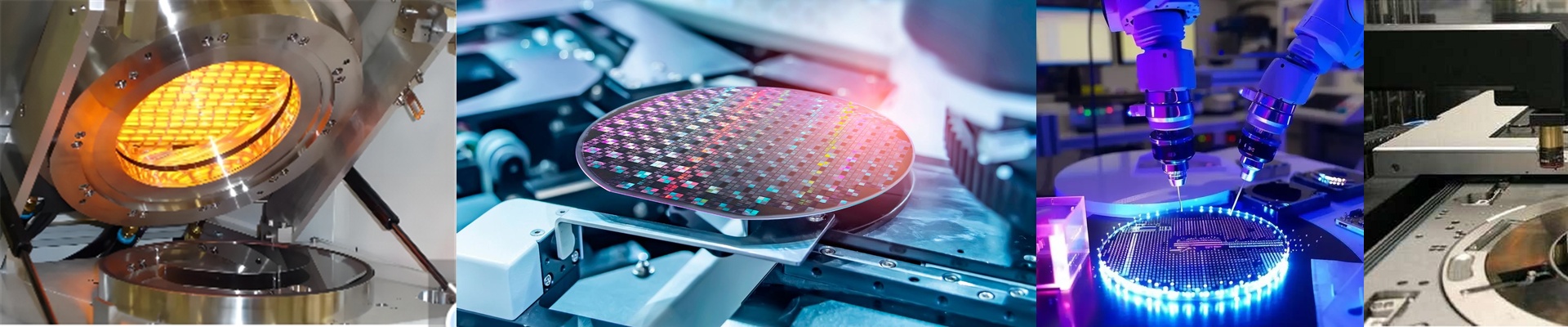
We built these electric blow heaters to be one thing: a direct, hard-hitting infrared powerhouse for PET and container blow molding. Our whole focus? Getting that parison hot, fast. And keeping everything under tight control, so your machine just keeps running.
The Nitty-Gritty: Power, Voltage, and Why It Matters
Let’s get into the details. A typical unit is a 300mm quartz tube, packing 2500W of power and wired for 400V. That voltage choice isn’t random. It keeps the current lower on the line side, which means you can run longer cables without having to go crazy with the copper. And that 2500W packed into such a small space? It’s all about speed. The heat response is almost instant. We’re talking seconds, not minutes. It’s all about packing intense, focused energy right where you need it most.
What’s Inside: The Design That Makes It Work
We use a halogen-filled quartz tube. This does the important work of stabilizing the filament, so the heat output stays steady over time. No surprises. The tube also has a reflective coating. This simple trick directs the infrared energy forward, so it hits the parison instead of just spilling out the sides. And swapping one out is a breeze. The R7s connector is a straightforward, two-pin design that handles the current and makes wiring quick. It’s a straight drop-in for standard holders, so if one ever burns out, you can swap it in minutes without reworking the whole machine.
The Real-World Trade-Off
Out on the blow molding line, this heater profile gives you a repeatable, even heat across the parison. That’s what gives you consistent bottle wall thickness, every single time. But here’s the trade-off you need to know. Packing that much power into a small space means it needs space. It needs airflow and proper clearance. If your cooling and shielding aren’t up to the task, the surrounding components are going to get fried. So you just have to make sure everything is spec’d to match.