
Why Quartz Glass Shields Actually Matter for Your IR Heating
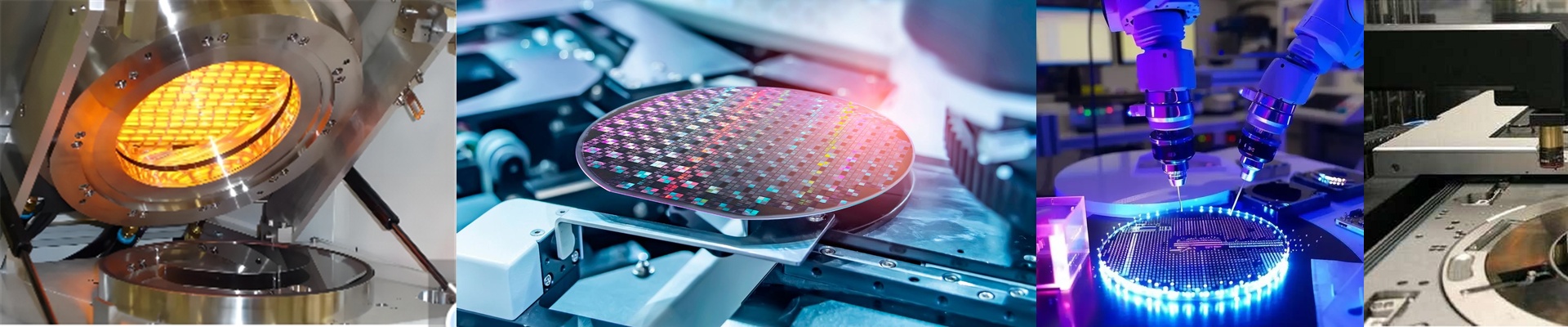
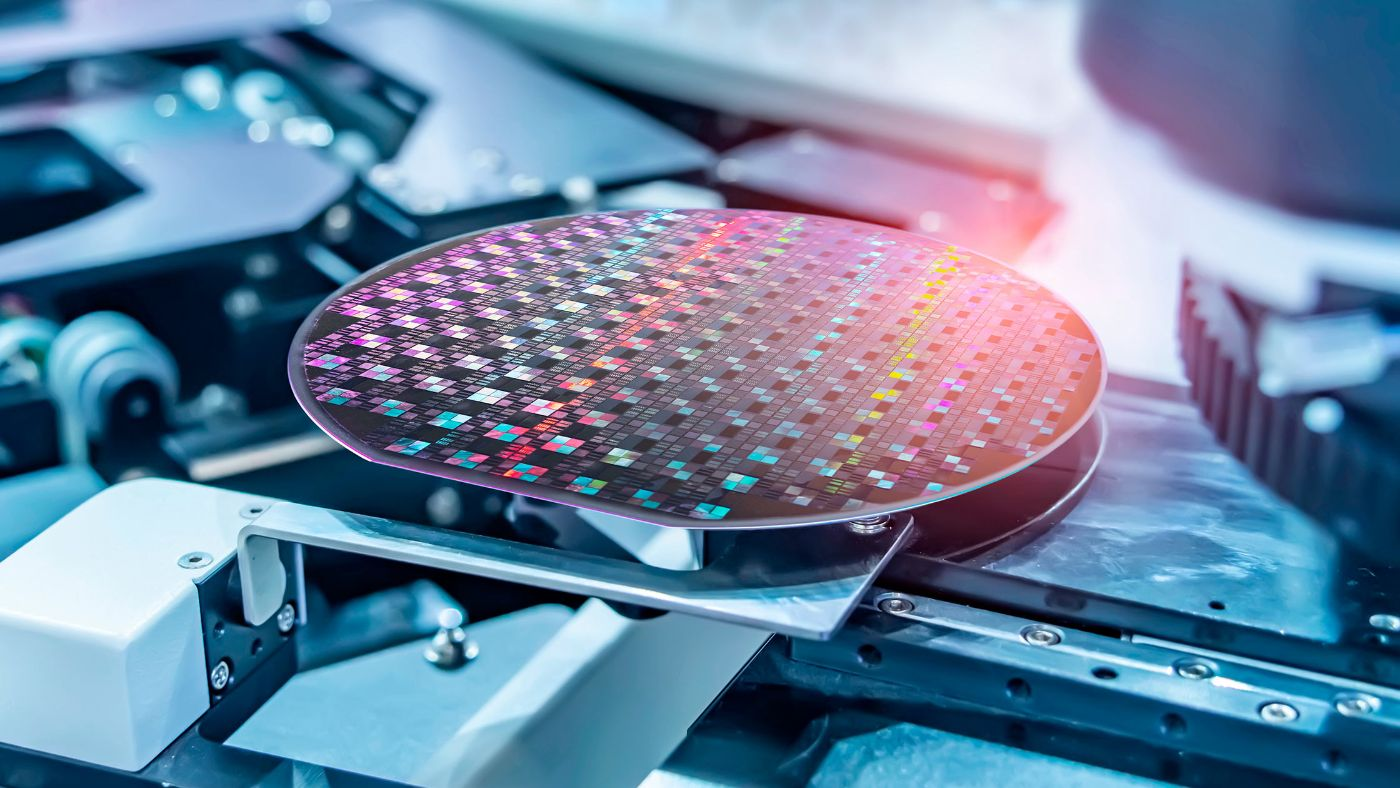
In semiconductor fab, we’re dealing with margins that are almost invisible—microns and milliseconds. It’s a high-stress environment. Most people focus on the IR heating lamps themselves, but the lamp is only half the battle. If you’re trying to hit those green factory goals or just stop wasting electricity, you have to look at how that heat actually gets to the wafer. That’s where the quartz glass shield comes in. The secret is in the material. We use quartz because it doesn’t get in the way. Shortwave IR radiation just slides right through it. If you tried to use regular glass, the shield would soak up all that energy, get scorching hot, and waste a ton of power. High-purity quartz keeps things efficient. Plus, it acts like a bodyguard. It keeps gunk and contaminants off the lamp. Without that barrier, you get hotspots. Then the tube burns out. Then you’re staring at a dead line. Now, there is a trade-off. Adding a shield creates a tiny gap of air. Because of that, you might notice the heat doesn’t hit quite as instantly as it would with a naked lamp. You might have to tweak your wattage or give your ramp-up a bit more time. But here’s the thing: it’s worth it. By protecting the lamp, you aren’t swapping them out nearly as often. That means less downtime and way less industrial waste heading to the landfill. The bigger picture. Cutting a fab’s carbon footprint isn’t about finding one “magic” part. It’s about all those small wins adding up. When we use precision quartz shielding, the whole thermal environment just feels more stable. It takes the pressure off the facility’s cooling systems. When you aren’t fighting a losing battle to cool down the chamber, your kWh per wafer drops. It’s just a leaner, cleaner way to run the line.