
Why We’re Ditching the Big Ovens for IR Curing
Let’s be honest: those giant convection ovens we’ve used for years in semiconductor packaging are a bit like trying to heat a whole house just to warm up a single cup of coffee. It’s a waste. That’s why we’re seeing everyone move toward infrared (IR) curing. It’s not just about following those “green” mandates or going lead-free—though that helps. It’s about actually making the process make sense.
Stop heating the air, start heating the part
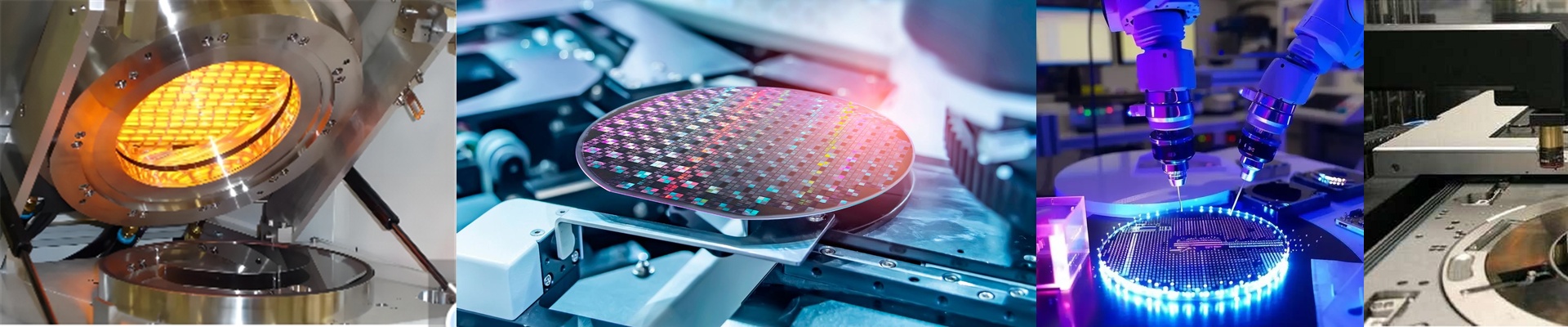
Here’s the thing about traditional drying. You heat the air, and then you hope that air transfers enough heat to the part to get the job done. It takes forever and leaves a massive thermal footprint. With IR, we skip the middleman. We use emitters to send electromagnetic radiation straight into the packaging materials. You aren’t wasting energy heating up the walls of a machine; you’re putting the energy exactly where it needs to go. And it’s fast. Really fast. We’re talking about hitting target temperatures in seconds. Plus, because it happens so quickly, you don’t have to rely on those old lead-based fluxes just to keep things from oxidizing during a long, slow bake.
Cleaner air, less stress
Since IR systems run on electricity, you don’t have fossil fuels burning or weird combustion by-products floating around your cleanroom. There’s another perk, too. Because the curing happens so quickly, the organic solvents in the resins don’t have time to evaporate and linger. That means your scrubbers aren’t working overtime to clean up VOCs. It just feels… cleaner.
The “Gotchas” (Because it’s not magic)
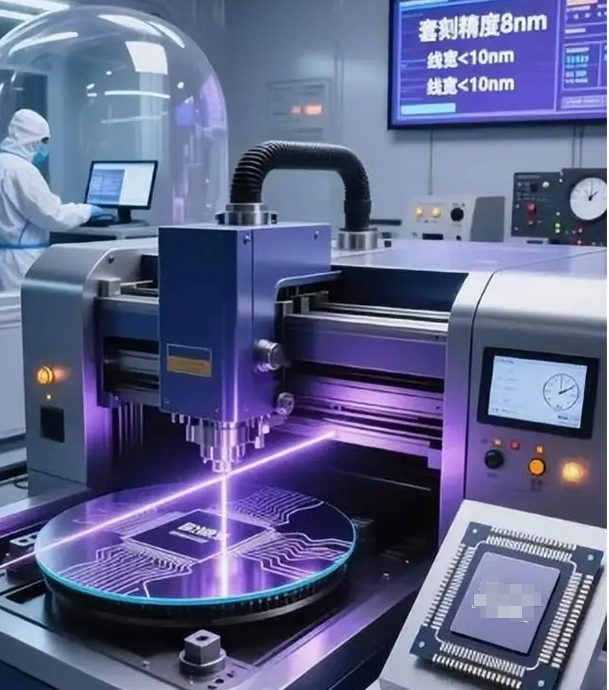
Now, you can’t just rip out your oven, slap in an IR lamp, and call it a day. That’s a great way to ruin a lot of expensive hardware. IR creates some pretty steep thermal gradients. If your part has different thicknesses, the thin spots might char while the thick parts are still cold. It’s a balancing act. You have to pick the right wavelength—shortwave if you’re just hitting the surface, or medium-wave if you need the heat to soak in deeper—otherwise, your sensor substrate is going to warp. My best advice? Get some real-time pyrometers in there. Without a closed-loop system telling the machine to dial it back, the heat density of IR can easily overshoot the mark. One second you’re curing, the next you’ve toasted a whole batch of smart sensors. Not a great way to spend a Tuesday.