
Stopping the Heat Leak: A Smarter Way to Run Your Fab
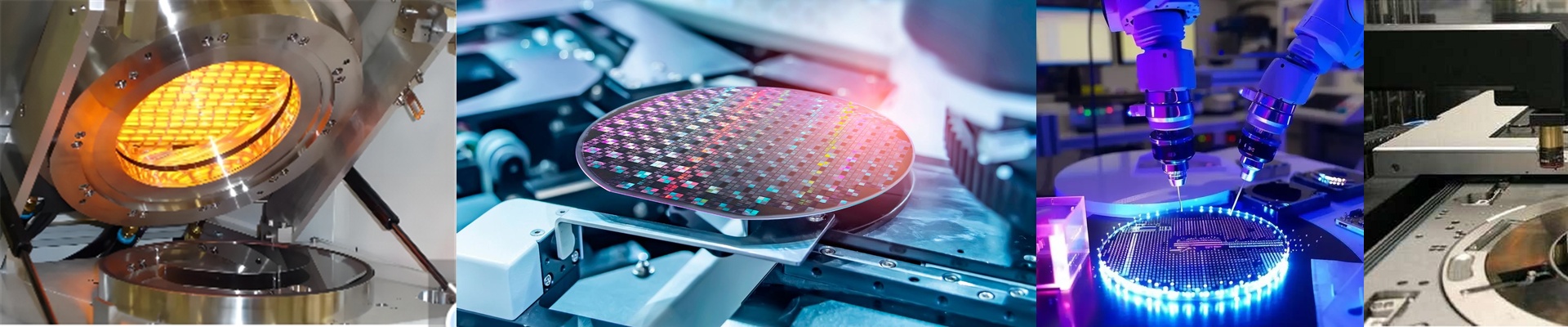
If we’re actually going to hit those carbon-neutral goals in the fab, we have to stop heating things that don’t need to be hot. Most of us are used to convection heating—basically heating up a giant box of air and hoping the wafer gets the message. It’s wasteful. That’s why we’ve been moving toward infrared (IR) lamp systems for curing and baking. Instead of warming up the entire chamber and every single wall, we just aim the energy exactly where it needs to go. It’s all about the ramp-up. Traditional setups have these massive thermal loads that take forever to get going. It’s a slog. But with shortwave IR, the energy hits the wafer surface almost instantly. We’re talking about cutting wait times from minutes down to seconds. When you’re running high-volume manufacturing, those saved seconds add up to a massive drop in the electricity you’re pulling from the grid. Now, to get those temperatures right, we use halogen-filled filaments inside high-purity quartz envelopes. This lets us pack a lot of power into a tiny physical space. But here is the catch: because the heat flux is so intense, you can’t ignore your cooling. You’ll need to make sure your cooling manifolds can handle the extra ambient heat around the lamp housing. If you don’t, you’re just asking for component burnout. The best part? You don’t have to rip everything out. We built these to be simple drop-in replacements for your old heating elements. We used standard connectors so you aren’t staring at a wiring nightmare during the retrofit. The goal is to get you onto “green” hardware without your production line grinding to a halt for a week. At the end of the day, it’s just basic physics. Focus the heat on the chemistry—on the wafer—and stop wasting energy on the tool itself. Less waste, less power, simpler process.