

What’s really going on under the hood: power, voltage, and that quiet warmth
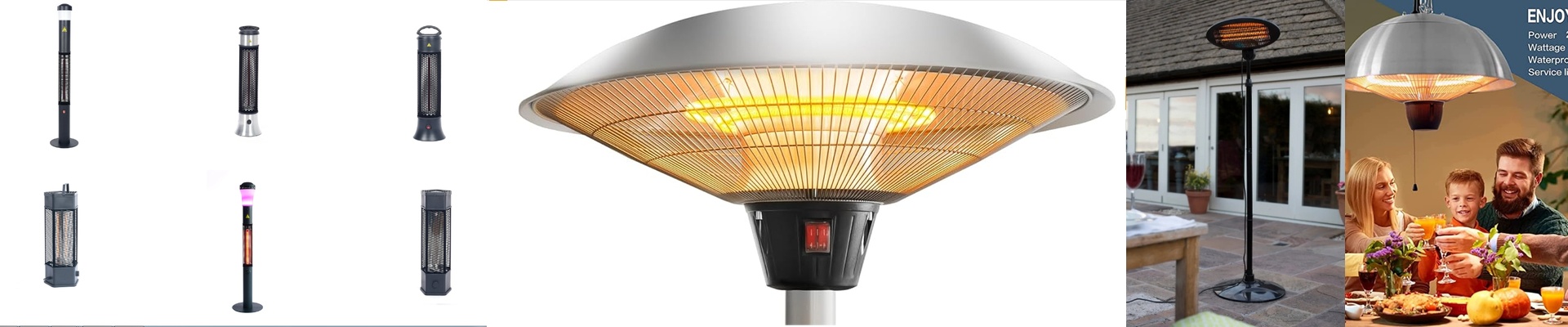
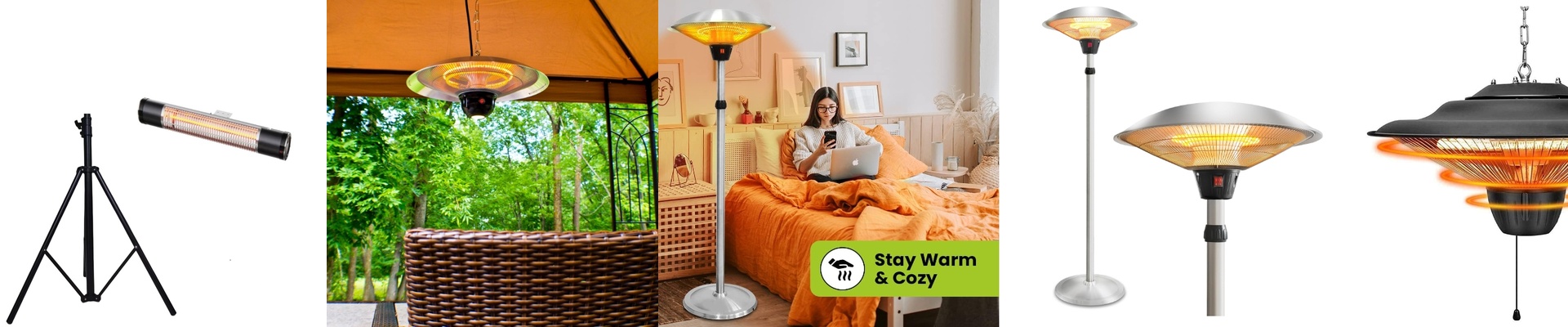
We build our space heaters around a serious little workhorse—a 300mm halogen tube that runs at 2500W. And that 400V rating? It’s not just a number on a sticker. It’s the reason you can run the heater on higher-voltage industrial lines, which drops the current and keeps the wiring neat and compact. That means less magnetic hum from coils and a tighter electrical footprint. The wattage and tube length were chosen on purpose, too—so the heat lands where you want it, focused in the center of the zone, without needing a bulky enclosure.
The materials and design choices that make it feel effortless
Inside, the halogen cycle keeps the filament stable even at scorching temps. So the heat stays consistent over time—no sudden drops, no surprises. The quartz envelope handles the jolt of rapid on/off cycles without cracking under pressure. And the reflector coating does its job quietly, pushing infrared energy forward instead of letting it spill sideways and get wasted. We use R7s connectors because they snap in fast and hold a solid connection. Less arcing. Less buzz. Fewer hot spots. And the whole thing is built as a drop-in module, so swapping it out is quick—no rewiring the entire fixture.
Who this is for—and what it feels like in real life
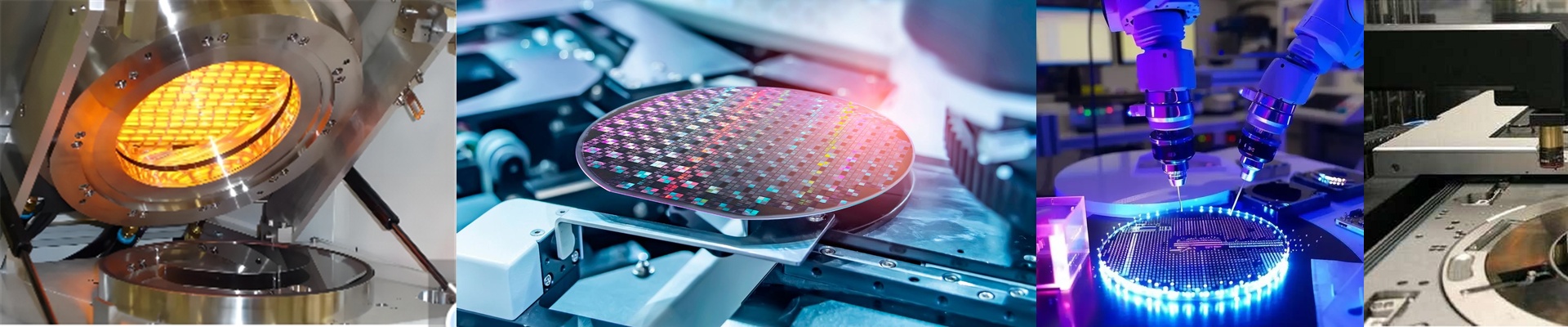
This setup is for engineers who need localized heat without the racket of forced-air blowers. The infrared output responds fast, and the low acoustic signature is a big deal in places where noise matters—labs, control rooms, process areas. Now, the trade-off: that concentrated 2500W heat density means you do need proper machine cooling and thermal management around the zone. Plan for it, and the heater just does its thing—quiet, steady, and exactly where you need it.