

Introduction
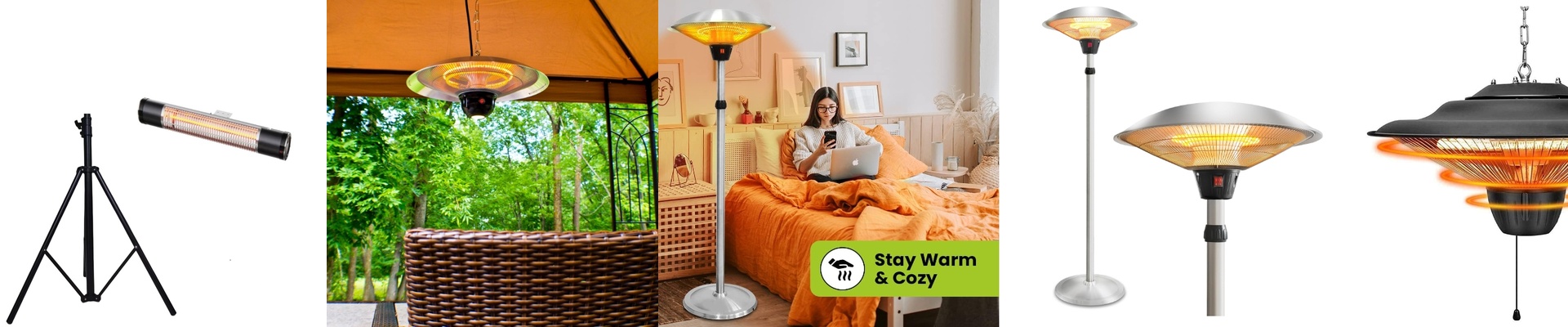
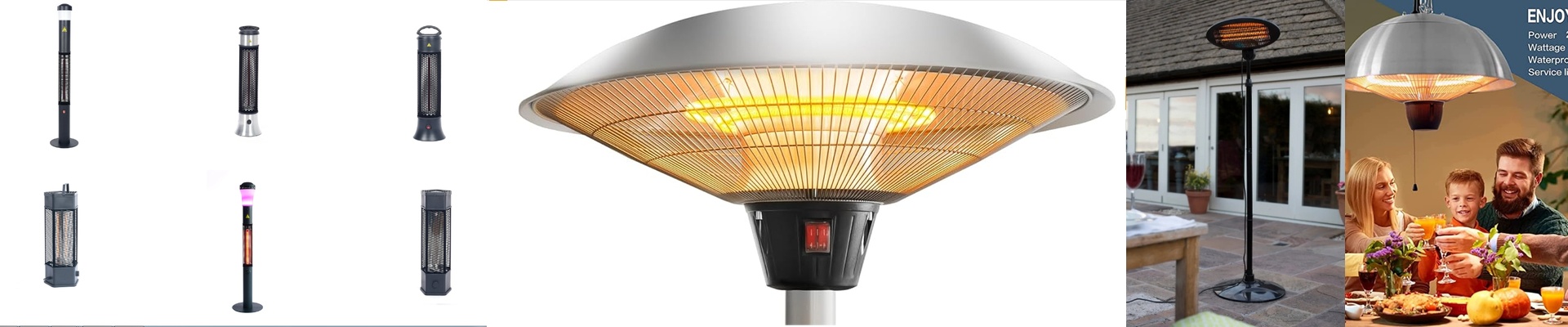
Picture this: It’s a freezing morning, and your office is that classic mix of stuffy air and cold spots. You know the feeling—the kind where you’re wearing a sweater at your desk but still shivering near the window. We built our infrared heaters to fix exactly that. They’re made for office buildings, and they do something clever: they warm the people and the surfaces directly, instead of wasting energy heating the whole room. It’s all about targeted comfort. At the heart of it is a high-intensity halogen element. It throws off radiant heat that hits you instantly. No waiting around. And honestly? It’s a much smarter way to stay cozy without the energy bill skyrocketing.
The Inside Story
Here’s the thing about these heaters: they’re designed to run on 400V. That means they pull less current on the circuit, but still pack the punch needed for big, open office areas. And they’re built to fit. The tube is just 300mm long, so it slips right into tight ceiling grids and recessed housings without a fight. They’re quick, too. When the thermostat calls for heat, you get it. Immediately. But because of that power density, you just need to make sure the wiring and overcurrent protection are set up to match the 400V load.
What Makes It Tick
The halogen element lives inside a quartz envelope. This is key—it lets the filament run at extreme temperatures without burning out fast. On the back, a reflective coating does the heavy lifting, redirecting infrared energy downward. More warmth where you need it. Less wasted. Installation? It’s a breeze. The R7s connector is as simple as sliding the tube in, locking it, and you’re done. It’s a design that holds up against vibration and constant heating and cooling, so you don’t have to worry about connections failing over time.
Where It Shines
These heaters are perfect for those problem spots in an office—right by windows, in lobbies, and at high-traffic entrances. They kick on fast and hold steady. People feel the warmth almost instantly, and that makes all the difference. Now, because the heat is concentrated, the fixture itself gets hot—and the area around it does too. So you do need to keep clearance distances and use protective shielding. But for engineers, that just means you’re working with a reliable, serviceable heat source that fits cleanly into the electrical setup you already have. Simple, effective, and built to do the job.