


What’s Under the Hood: Power, Voltage, and Size
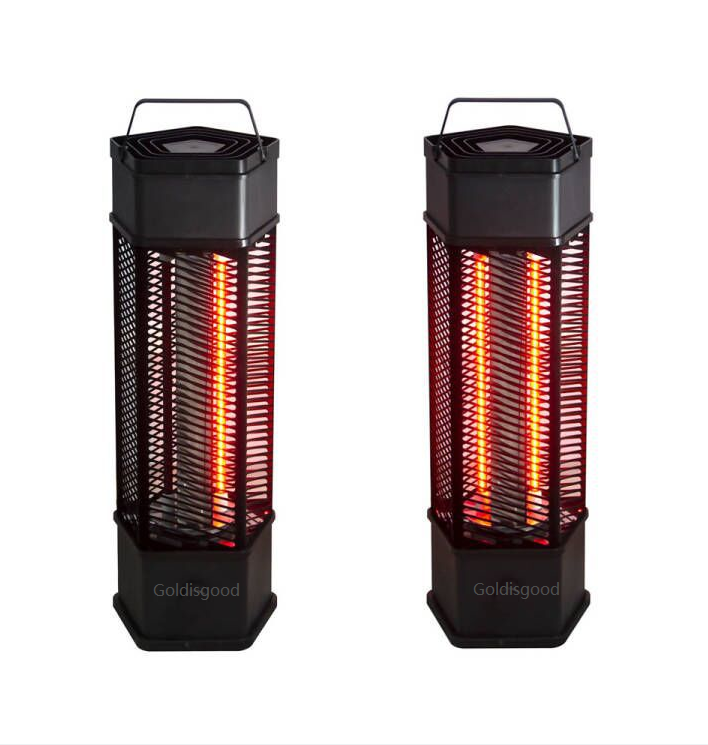
Let’s talk about why this desktop heater is built the way it is. We set it up for a 400V input and 2500W output because we wanted serious heat in a small footprint. The 300mm tube focuses that energy right where you need it—no wasted wattage heating empty air. Here’s the neat part: running at 400V means lower current than a 230V design at the same wattage. That translates to smaller wiring and less stress on contacts, especially in tight control panels. In practice, you get predictable warm-up and steady temperature control—whether you’re at the bench or inside a small machine.
Materials and Build: Halogen Quartz, R7s Connection
The tube itself is a halogen-filled quartz envelope, and that matters. Halogen chemistry keeps the filament stable over time, so you don’t get that sudden output drop you see with bare coil lamps. Quartz also handles high heat without blinking, and it stands up to rapid on-off cycling without cracking under thermal shock. Then there’s the R7s connector. It’s a simple, two-end contact design that locks in fast and stays aligned. That means it’s a reliable, drop-in replacement—no fiddling, no second-guessing.
Where It Shines: Bench Work and Machine Heat
This setup was made for benchtop heating and small-machine integration—the spots where space is tight and you need heat quickly. The output is concentrated, so targets heat up fast. But that density comes with a note: give the tube proper airflow. If you’re using a sealed enclosure, size the ventilation so surrounding components stay within safe temperature limits. For engineers, it comes down to something you can wire up, swap out, and trust shift after shift.