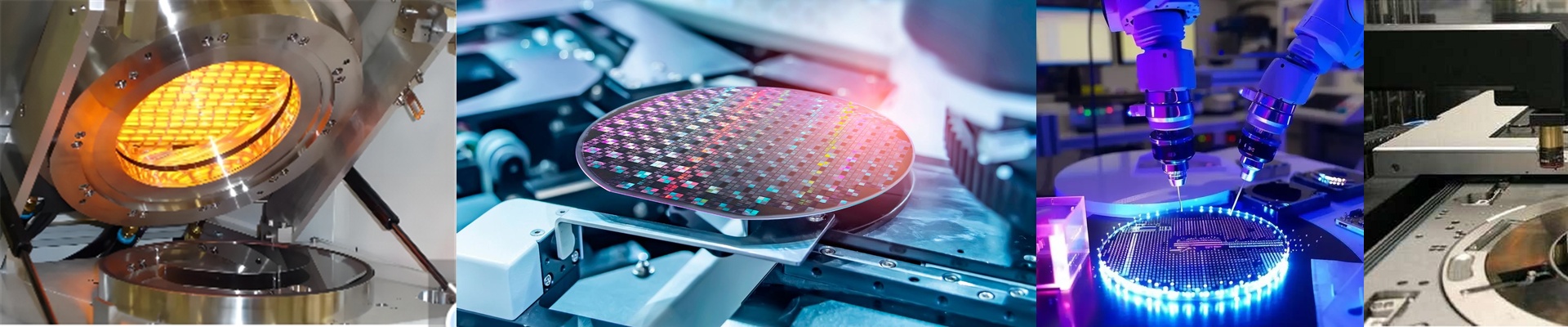

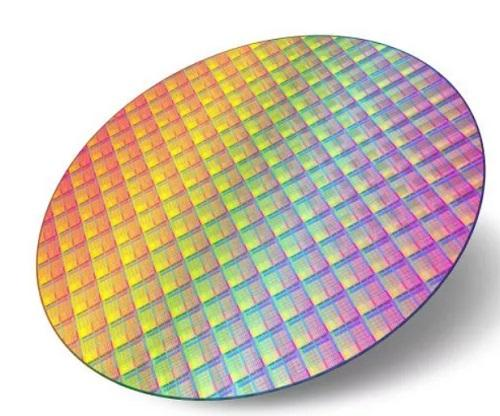
On the 300mm line, a single FOUP walking out of the wet bench with a microscopic water mark is enough to scrap an entire lot. With conventional drying, you’re basically gambling on temperature gradients across the wafer stack. That kind of risk doesn’t fly when your process window is measured in nanometers. What matters under the hood This FOUP dryer hits wafer-level thermal uniformity of ±0.1°C—measured at the wafer plane, not the heater surface. It uses short-wave infrared emitters and a quartz-free airflow path so you don’t add particles while you’re trying to remove moisture. The mechanical seals and exhaust filtration are specced to keep you in cleanroom Class 1–100. Built-in FOUP-specific thermal modeling compensates for carrier load, so your soft bake and hard bake profiles stay repeatable without overshoot. Why it plays in lithography and packaging In the litho bay, that precision shows up as tighter critical dimension control and fewer defects driven by residual solvent. You get consistent photoresist performance lot-to-lot, and the repeatability holds across shifts. The unit also shaves cycle time by stripping moisture out reliably, while energy stays in check thanks to fast thermal response and efficient standby. Over in packaging, it prevents post-clean oxidation and improves adhesion before encapsulation. What to watch when you bring it in The dryer fits standard FOUP footprints and SEMI interfaces, but carrier geometry and door seals can still steer airflow. Plan a short qualification run to map temperature at multiple wafer positions and confirm exhaust routing matches your cleanroom pressure profile. Once it’s dialed in, it runs 24/7 with predictive maintenance alerts, so unplanned downtime stays off the board.