
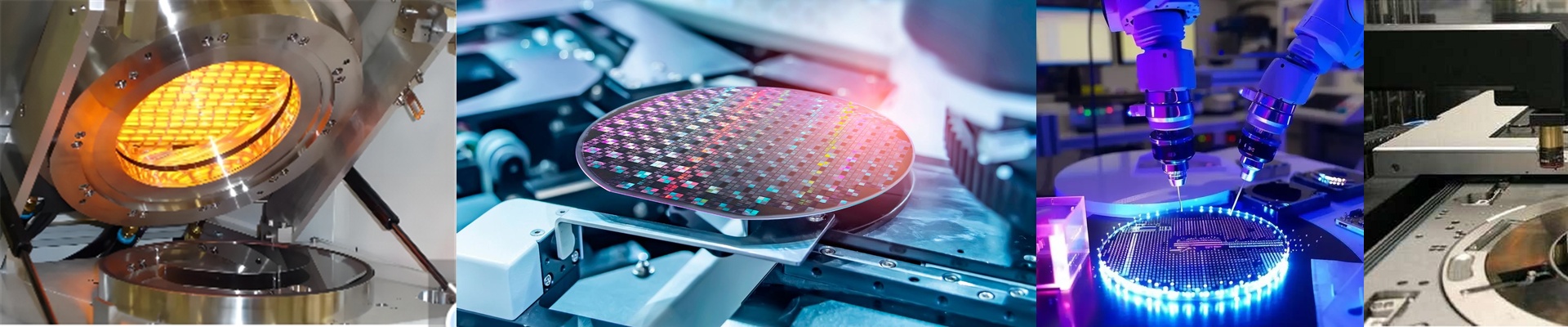
On the fab floor, a 0.5°C drift during photoresist bake isn’t a “small deviation.” It’s a line-killer. Wafers queue up for lithography, and thermal instability eats throughput minute by minute while devices get scrapped. Forget chasing raw temperature. What matters is control, repeatability, and keeping particle risk at zero inside Class 1–100 cleanrooms.
ในพื้นที่ผลิต การเบกโฟโตเรซิสต์ที่มีการเปลี่ยนแปลงอุณหภูมิ 0.5°C ไม่ใช่ “ความเบี่ยงเบนเล็กน้อย” แต่เป็นปัจจัยทำลายเส้นการผลิต เวเฟอร์ต้องรอต่อแถวเพื่อเข้าสู่กระบวนการลิโธกราฟี และความไม่เสถียรทางความร้อนส่งผลต่อประสิทธิภาพการผลิตทีละนาทีในขณะที่อุปกรณ์ต้องถูกคัดทิ้ง ลืมการไล่ตามอุณหภูมิดิบไปได้เลย สิ่งที่สำคัญคือการควบคุม การทำซ้ำได้ และการควบคุมความเสี่ยงของฝุ่นละอองให้เป็นศูนย์ภายในห้องคลีนรูมระดับ Class 1–100
We build the bake around wafer-level uniformity, aiming for ±0.1°C across the chuck so critical dimensions stay put. Short-wave infrared with quartz-enhanced thermal distribution gives you fast ramp rates without hot spots. Soft bake and hard bake profiles lock in with tight thermal budget control, and zero particle generation keeps yield intact at advanced nodes. The platform is engineered for 24/7 reliability—zero unplanned downtime—and output stability proven over 5,000+ operating hours.
การออกแบบกระบวนการเบกเน้นความสม่ำเสมอบนระดับเวเฟอร์ โดยตั้งเป้าควบคุมอุณหภูมิให้ ±0.1°C บนแท่นจับเวเฟอร์เพื่อรักษาขนาดวิกฤตให้คงที่ การใช้รังสีอินฟราเรดคลื่นสั้นพร้อมการกระจายความร้อนที่เสริมด้วยควอตซ์ช่วยให้เพิ่มอุณหภูมิได้เร็วโดยไม่มีจุดร้อน โปรไฟล์ซอฟต์เบกและฮาร์ดเบกรวมการควบคุมงบประมาณความร้อนอย่างเข้มงวด และไม่เกิดฝุ่นละออง เพื่อรักษาผลผลิตในระดับสูงสำหรับเทคโนโลยีขั้นสูง แพลตฟอร์มนี้ถูกออกแบบมาเพื่อความน่าเชื่อถือ 24 ชั่วโมงต่อวัน 7 วันต่อสัปดาห์ โดยไม่มีการหยุดทำงานที่ไม่วางแผน และเสถียรภาพการผลิตได้รับการพิสูจน์มากกว่า 5,000 ชั่วโมงการทำงาน
In lithography cells, that precision strips out the variability that drives linewidth excursions and scum defects. Tighter bake control improves photoresist adhesion and keeps profiles consistent, so first-pass yield climbs and rework drops. Energy use falls because thermal mass is low and response is immediate, and maintenance intervals stretch out since the design keeps thermal stress off the components.
ในห้องลิโธกราฟี ความแม่นยำนี้ช่วยลดความแปรปรวนที่ทำให้ความกว้างเส้นผิดพลาดและเกิดข้อบกพร่องจากสกัม การควบคุมการเบกอย่างเข้มงวดช่วยเพิ่มการยึดเกาะของโฟโตเรซิสต์และรักษาความสม่ำเสมอของโปรไฟล์ ทำให้ผลผลิตรอบแรกเพิ่มขึ้นและลดงานแก้ไข การใช้พลังงานลดลงเพราะมวลความร้อนต่ำและตอบสนองได้ทันที พร้อมกับช่วงเวลาบำรุงรักษายืดออกเนื่องจากการออกแบบปกป้องชิ้นส่วนจากแรงดันความร้อน
The result is predictable output, fewer engineering call-outs, and a process window that stays stable shift after shift.
ผลลัพธ์คือการผลิตที่คาดการณ์ได้ การเรียกใช้วิศวกรลดลง และหน้าต่างกระบวนการที่คงที่เปลี่ยนกะต่อกะ
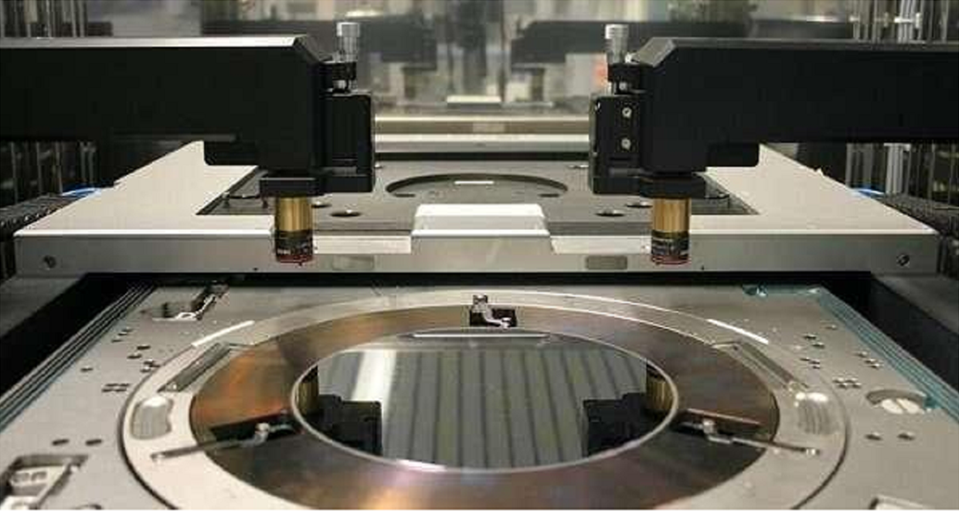
Here is the thing on install: match the exhaust, gas, and power interfaces to the specific track or coater model. The thermal profile has to be tuned to the resist stack and the substrate stack. Commissioning is short once you lock the bake curve, but remember—chamber geometry and chuck material can shift the setpoint offset. Run the qualification once, then lock the recipe.
ข้อควรระวังในการติดตั้ง: ต้องจับคู่การระบายอากาศ แก๊ส และอินเตอร์เฟสไฟฟ้าให้ตรงกับรุ่นของแทร็คหรือโคเตอร์ โปรไฟล์ความร้อนต้องปรับจูนให้เหมาะกับชั้นโฟโตเรซิสต์และชั้นซับสเตรต การเริ่มต้นใช้งานไม่ใช้เวลานานเมื่อกำหนดเส้นกราฟเบกได้แล้ว แต่ต้องจำไว้ว่า รูปร่างห้องและวัสดุของแท่นจับอาจมีผลต่อการเปลี่ยนแปลงค่าเซตพอยต์ ทำการทดสอบคุณสมบัติครั้งเดียว แล้วล็อกสูตรการทำงานไว้