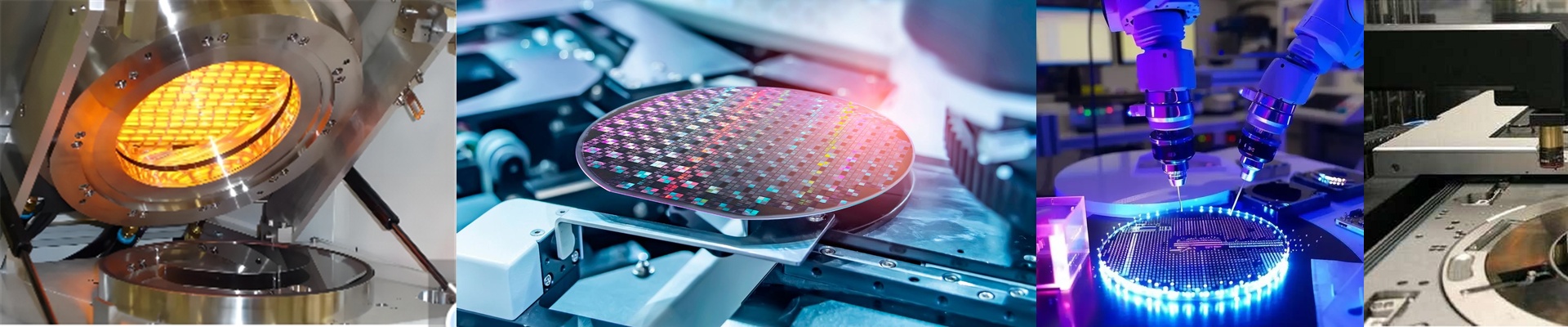

On the fab floor, a 0.5°C drift during photoresist bake isn’t a “small deviation.” It’s a line-killer. Wafers queue up for lithography, and thermal instability eats throughput minute by minute while devices get scrapped. Forget chasing raw temperature. What matters is control, repeatability, and keeping particle risk at zero inside Class 1–100 cleanrooms.
Di lantai produksi, drift suhu sebesar 0,5°C selama proses pemanggangan photoresist bukanlah “deviasi kecil.” Ini dapat menyebabkan lini produksi terhenti. Wafers harus antre untuk lithography, dan ketidakstabilan termal mengurangi throughput setiap menitnya sementara perangkat banyak yang harus dibuang. Lupakan soal mengontrol suhu mentah. Yang penting adalah pengendalian, kemampuan pengulangan, dan menjaga risiko partikel tetap nol di dalam cleanroom kelas 1–100.
We build the bake around wafer-level uniformity, aiming for ±0.1°C across the chuck so critical dimensions stay put. Short-wave infrared with quartz-enhanced thermal distribution gives you fast ramp rates without hot spots. Soft bake and hard bake profiles lock in with tight thermal budget control, and zero particle generation keeps yield intact at advanced nodes. The platform is engineered for 24/7 reliability—zero unplanned downtime—and output stability proven over 5,000+ operating hours. Proses pemanggangan dirancang dengan fokus pada uniformitas di level wafer, menargetkan toleransi ±0,1°C di seluruh permukaan chuck agar dimensi kritis tetap stabil. Infrared gelombang pendek dengan distribusi termal yang diperkuat kuarsa memberikan kecepatan pemanasan cepat tanpa titik panas. Profil soft bake dan hard bake dikunci dengan kontrol ketat pada anggaran termal, dan pencegahan generasi partikel menjaga hasil produksi tetap konsisten pada node maju. Platform ini dirancang untuk keandalan 24/7—tanpa downtime tak terduga—dengan stabilitas output yang telah terbukti selama lebih dari 5.000 jam operasi.
In lithography cells, that precision strips out the variability that drives linewidth excursions and scum defects. Tighter bake control improves photoresist adhesion and keeps profiles consistent, so first-pass yield climbs and rework drops. Energy use falls because thermal mass is low and response is immediate, and maintenance intervals stretch out since the design keeps thermal stress off the components. Di sel lithography, presisi tersebut menghilangkan variabilitas yang menyebabkan penyimpangan lebar garis dan cacat scum. Pengendalian pemanggangan yang lebih ketat meningkatkan adhesi photoresist dan menjaga konsistensi profil, sehingga hasil produksi pada percobaan pertama meningkat dan kebutuhan rework menurun. Penggunaan energi berkurang karena massa termal rendah dan responsnya langsung, serta interval pemeliharaan menjadi lebih panjang karena desain mengurangi stres termal pada komponen.
The result is predictable output, fewer engineering call-outs, and a process window that stays stable shift after shift. Hasilnya adalah output yang dapat diprediksi, lebih sedikit permintaan perbaikan dari engineering, dan jendela proses yang tetap stabil dari shift ke shift.
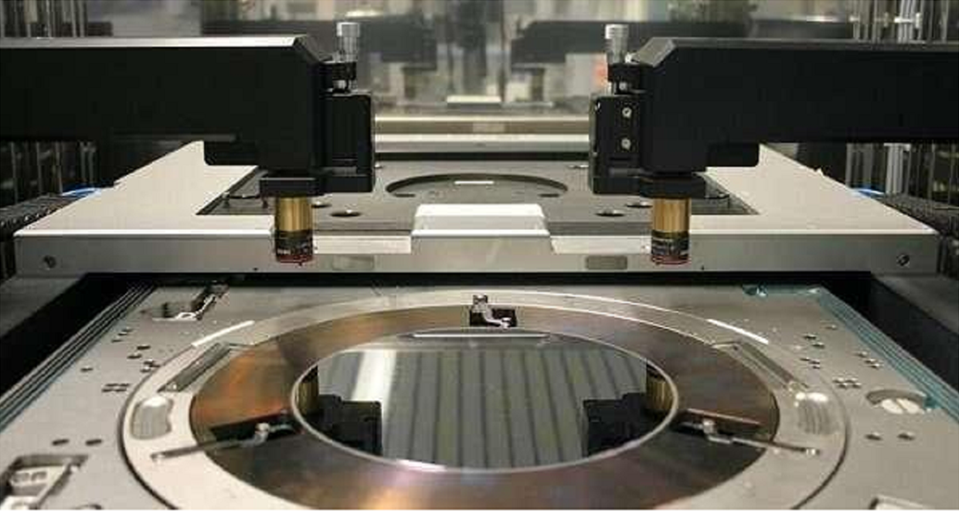
Here is the thing on install: match the exhaust, gas, and power interfaces to the specific track or coater model. The thermal profile has to be tuned to the resist stack and the substrate stack. Commissioning is short once you lock the bake curve, but remember—chamber geometry and chuck material can shift the setpoint offset. Run the qualification once, then lock the recipe. Hal yang perlu diperhatikan saat instalasi: sesuaikan antarmuka exhaust, gas, dan daya dengan model track atau coater yang spesifik. Profil termal harus di-tune sesuai dengan susunan resist dan susunan substrate. Proses commissioning singkat setelah kurva pemanggangan terkunci, tetapi ingat—geometri chamber dan material chuck dapat menggeser offset setpoint. Jalankan kualifikasi sekali, kemudian kunci resep.