


Stop Wasting Heat: why gold-coated reflectors actually matter
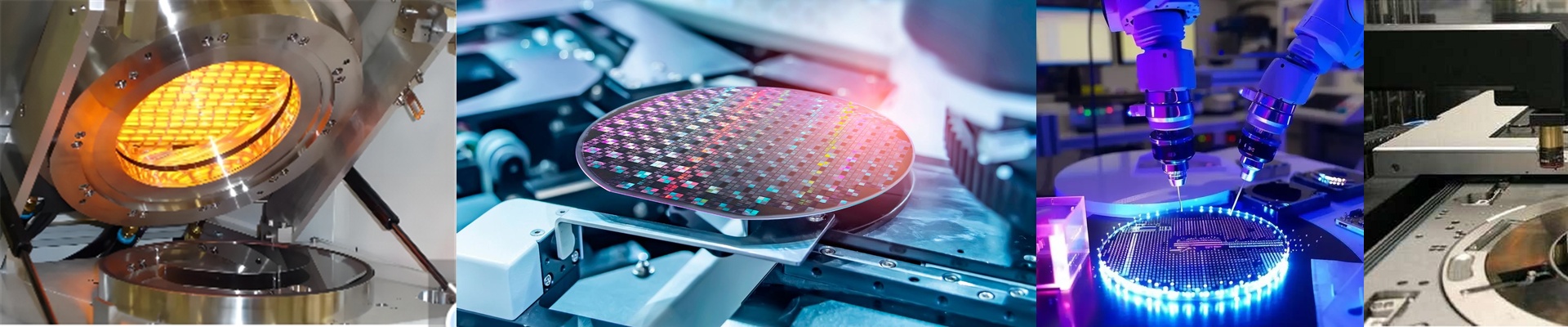
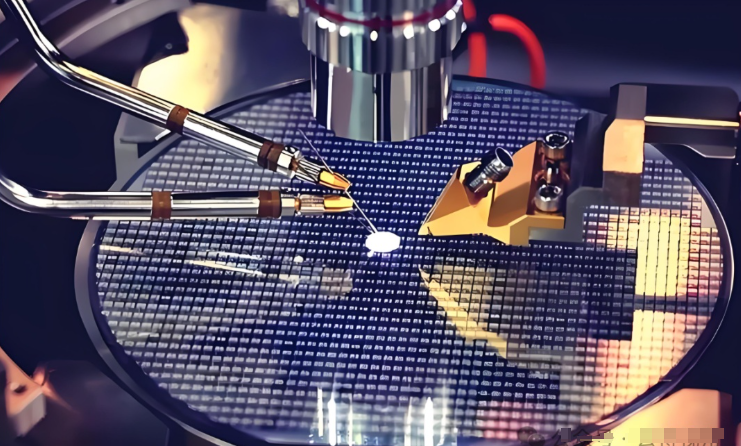
Let’s be honest: wasting power in semiconductor processing is just bad design. When you’re running high-power infrared lamps, a huge chunk of that energy doesn’t even hit the substrate. It just radiates backward, disappearing into the machine. It’s a total waste of electricity. That’s why we use gold-coated reflectors. Why gold? It comes down to how gold handles infrared light. Aluminum or polished steel are fine for some things, but they start to fail as wavelengths get longer. Gold doesn’t. We put a thin layer of it on the reflector housing to catch those photons and shove them right back toward the wafer. It focuses the energy. The best part? You get way more heat exactly where you need it, without having to trip your circuit breakers by cranking up the power. A word of caution on heat density Here’s the thing: when you concentrate that much energy into a small spot, things get hot. Really hot. I’ve seen engineers push the wattage to get those ramp-up speeds down, but they forget about the chassis. If your cooling manifolds aren’t ready for that reflected heat load, you’re going to have a problem. You might even see your lamp supports start to warp. It’s a classic case of solving one problem and accidentally creating another. Making it work on the floor The good news is that these reflectors are usually a simple drop-in replacement for your old polished plates. No need to mess with your wiring or tear apart your power supplies. But there is a catch.Keep them clean. A little bit of dust or some chemical residue might not look like much, but it kills your reflectivity. Once that happens, your cycle times start sliding, and you’re right back where you started. We build these for the high-throughput shops where every single second of soak time is money. By focusing the radiation, you hit your target temperature faster and spend less on energy per wafer. It just makes sense.