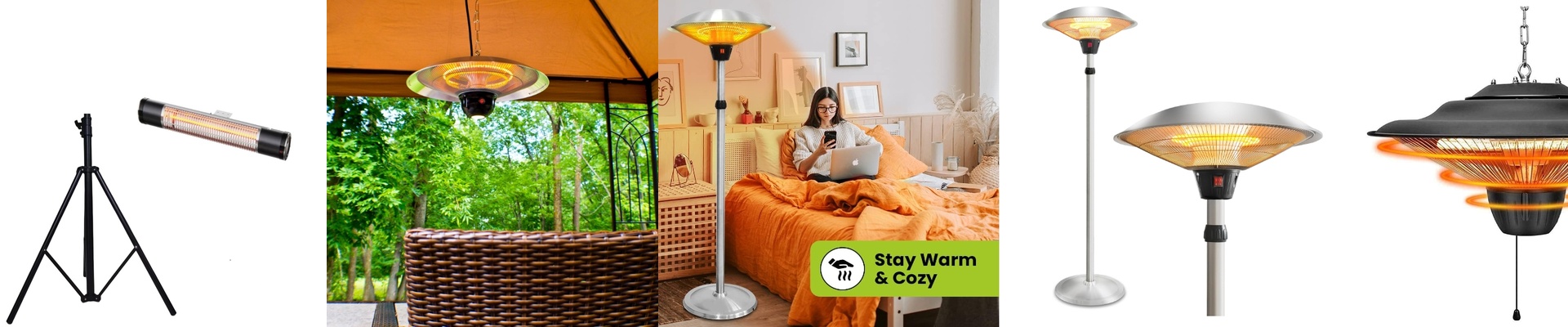

Making Infrared Heat Actually Work for You
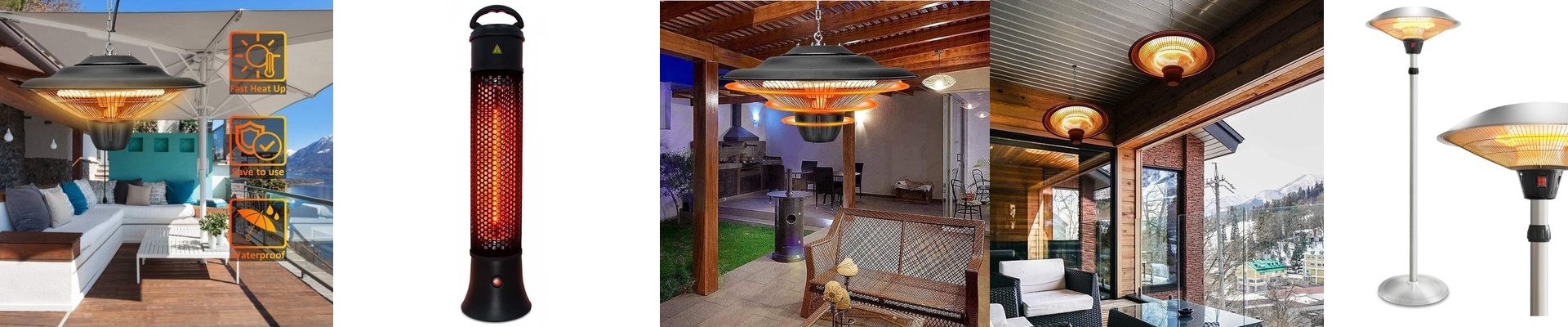
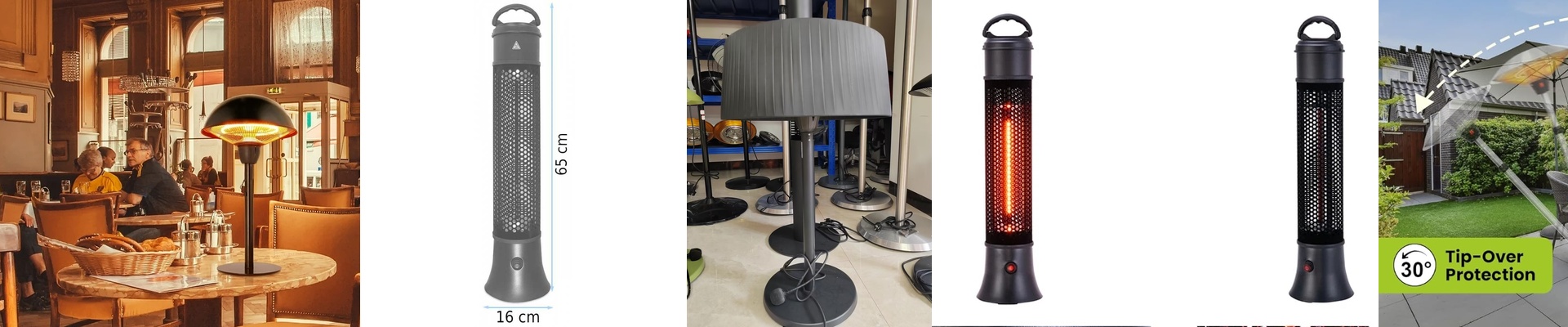
Traditional heaters are slow. You turn them on, wait for the air to warm up, and you’re still shivering for twenty minutes while the furnace does its thing. We do things differently. Infrared isn’t about heating the air in the room; it’s about heating you. It sends energy straight to your skin and your furniture. It’s a direct hit of warmth. When we hook these into a smart home setup, the whole point is to kill that annoying lag. You want to feel the heat the second you ask for it.
The “One-Touch” Magic
To get this working with a smart hub, you can’t just plug it in and hope for the best. You need a solid relay or a PWM controller. Think of this as the bridge. It takes the low-voltage “whisper” from your app or voice assistant and turns it into the high-voltage “shout” the heating elements need to actually get hot. So, you trigger a scene—maybe you call it “Winter Morning”—and the circuit closes. The filaments heat up in seconds.**Boom.**You’re warm. No waiting around for a blower to kick in.
The Hardware Headache
Here is the catch: this isn’t just a software project. You have to think about your electricity. A bunch of high-wattage infrared lamps pull a lot of power. If you’re adding these to an old house, check your breakers first. You don’t want to blow a fuse the moment you try to get cozy. And a quick tip on sensors? Don’t put your thermostat right next to the heater. If you do, the sensor will think the room is a sauna and shut everything off way too early. Put the sensor where you actually sit. That’s the only way it knows if you’re actually warm.
The Trade-offs
Instant heat is great, but it can be intense. If you just blast these things at 100% power, you’re going to overheat the spot you’re standing in—and you might stress out your wiring. It’s a bit much. That’s why we love using PIR sensors. These basically act as eyes for the system. They make sure the heaters only fire up when someone is actually there to feel it. It’s smarter, safer, and keeps you from wasting power on an empty room.